
As an Amazon Associate, I earn from qualifying purchases.
In this article 9 sections
"It is only a Category 1." If that thought ever crossed your mind, it is worth a second look. The category number is useful, but it tells you about one thing only: wind. Here is what each of the five categories means, the damage the National Hurricane Center expects at each step, and why a "weak" hurricane can still be the dangerous one.
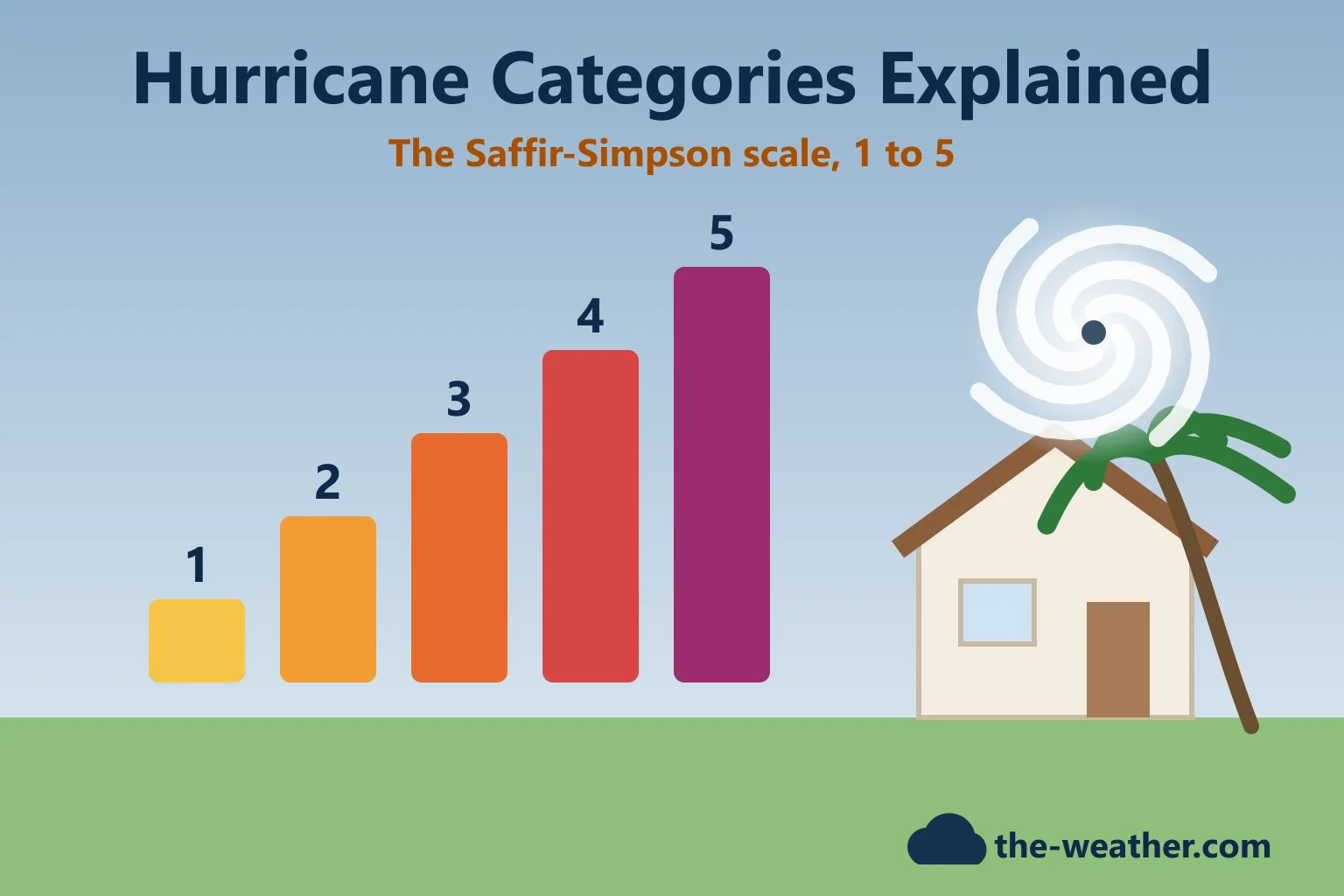
Short answer: hurricanes are rated from Category 1 to 5 on the Saffir-Simpson Hurricane Wind Scale, based only on maximum sustained wind. Category 1 starts at 74 mph, Category 5 at 157 mph. Category 3 and higher are called major hurricanes. The National Hurricane Center warns that the scale "does not take into account other potentially deadly hazards such as storm surge, rainfall flooding, and tornadoes" (NHC).
Editorial Research
- Written by
- Lena Thornton, Weather Station Analyst & CWOP Contributor
- Based on
- The National Hurricane Center's Saffir-Simpson Hurricane Wind Scale page and glossary, the NHC storm surge overview, NOAA's Hurricane Research Division FAQ and Ready.gov
- Research last verified
- October 20, 2026
The Five Categories at a Glance
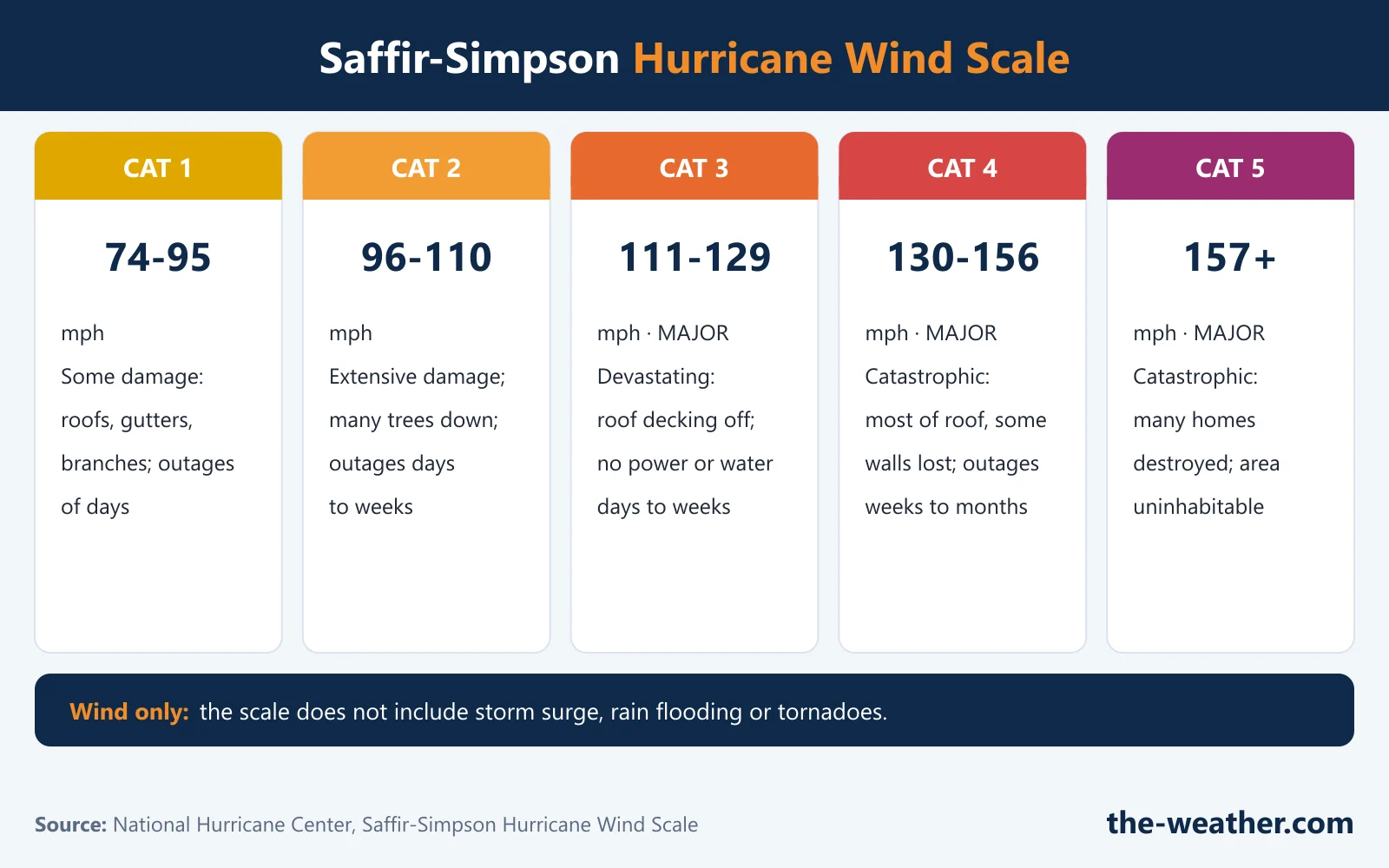
| Category | Sustained wind | What the NHC expects (short version) |
|---|---|---|
| 1 | 74-95 mph 64-82 kt 119-153 km/h | Very dangerous winds that will produce some damage: roofs, shingles, vinyl siding and gutters; large branches snap; power outages that could last a few to several days. |
| 2 | 96-110 mph 83-95 kt 154-177 km/h | Extremely dangerous winds, extensive damage: major roof and siding damage; many trees down blocking roads; near-total power loss for several days to weeks. |
| 3 (major) | 111-129 mph 96-112 kt 178-208 km/h | Devastating damage: roof decking and gable ends can be removed; many trees down; electricity and water unavailable for several days to weeks. |
| 4 (major) | 130-156 mph 113-136 kt 209-251 km/h | Catastrophic damage: loss of most of the roof structure and some exterior walls; most trees and power poles down; outages for weeks to possibly months; most of the area uninhabitable for weeks or months. |
| 5 (major) | 157 mph or higher 137 kt or higher 252 km/h or higher | Catastrophic damage: a high percentage of framed homes destroyed; areas isolated; outages for weeks to possibly months; most of the area uninhabitable for weeks or months. |
Wind ranges and damage descriptions summarized from the National Hurricane Center's Saffir-Simpson Hurricane Wind Scale.
"Sustained" means the steady wind averaged over one minute, the U.S. standard according to the NHC glossary. Gusts are stronger. Below 74 mph a storm is not a hurricane yet: from 39 to 73 mph it is a tropical storm, under 39 mph a tropical depression.
What Is a Major Hurricane?
A major hurricane is a Category 3, 4 or 5: sustained winds of 111 mph or more. The NHC explains that while all hurricanes produce life-threatening winds, major hurricanes "can cause devastating to catastrophic wind damage and significant loss of life simply due to the strength of their winds." You may also read "intense hurricane": NOAA's Hurricane Research Division says that unofficial term means the same thing.
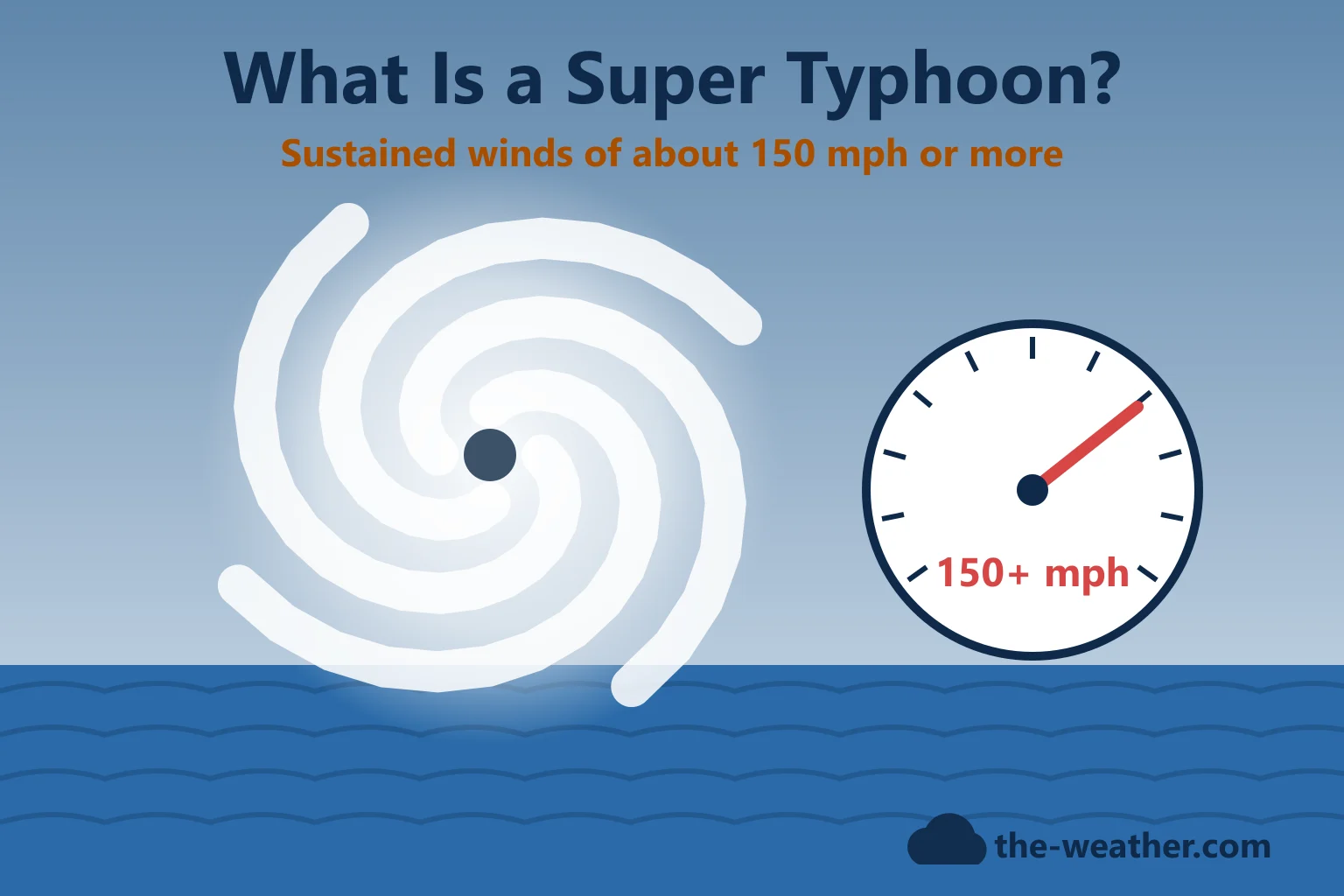
In the western Pacific, the strongest storms get their own label. The NHC notes that "super typhoon" is used there for sustained winds above 150 mph; that is a strong Category 4 or a Category 5 on this scale. The Philippine weather service PAGASA uses its own, lower line of more than 185 km/h (about 115 mph). See What Is a Super Typhoon?
Is a Category 1 Hurricane Bad?
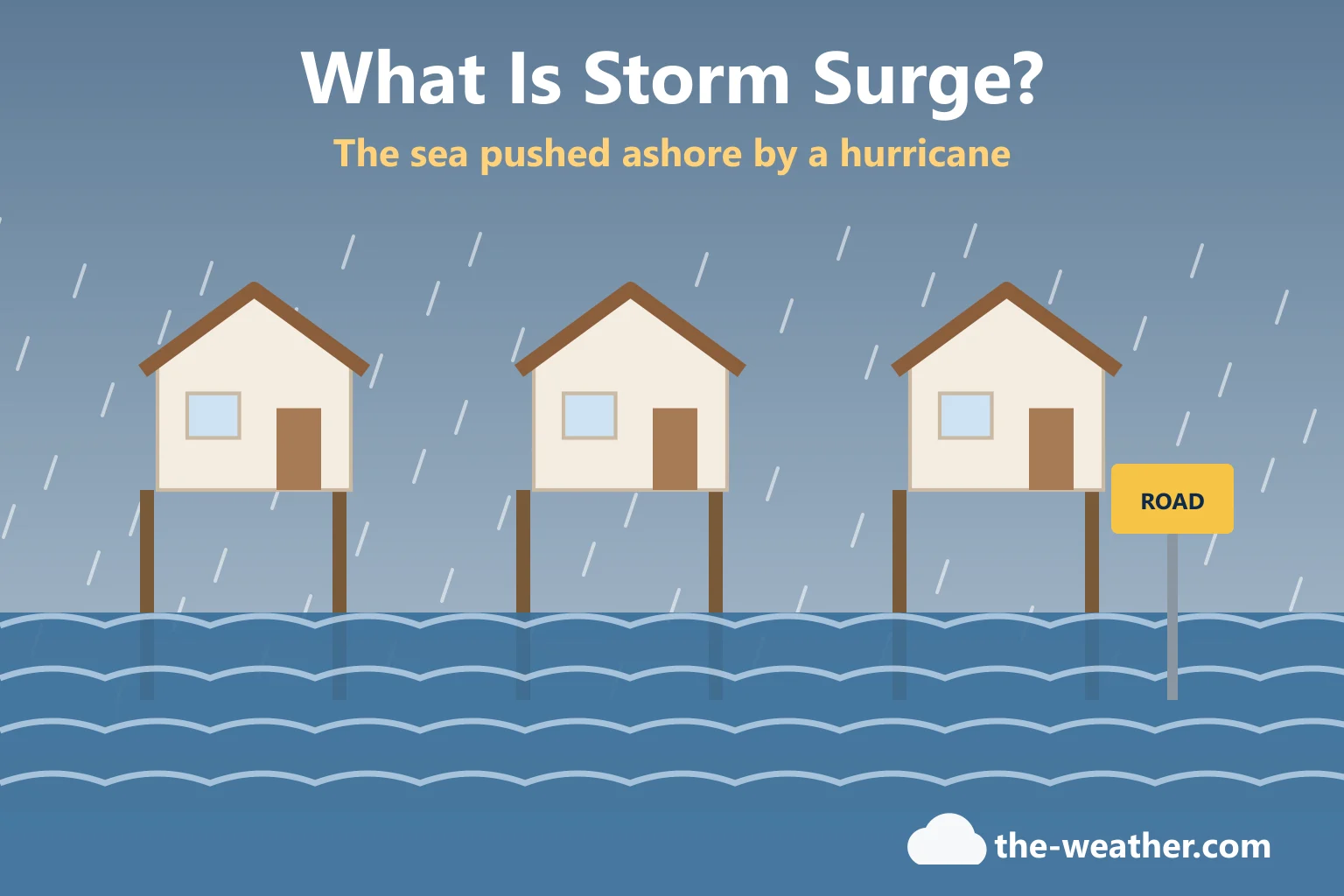
Yes, it can be. The NHC's own words for Category 1 are "very dangerous winds will produce some damage", with outages that can last days. And the wind is only part of the story. The NHC states that hurricanes of all categories can produce deadly storm surge, rain-induced floods and tornadoes, and that these hazards can require people to evacuate from areas vulnerable to storm surge.
In our view, the most useful habit is to read the category as "how strong is the wind" and then check the separate warnings for water: the storm surge watch or warning and any flood alerts. On the same stretch of coast, a Category 1 with a big surge can flood homes that its wind alone would barely touch.
What the Category Does Not Tell You
Ready.gov adds that hurricanes are "not just a coastal problem": rain, wind, water and tornadoes can reach far inland (Ready.gov). If you want to log the rain at home during a storm, our page on tracking rainfall during a flood watch shows how.
Why the Category Changes During a Storm
A hurricane's category is not fixed. NOAA's Hurricane Research Division describes how storms can strengthen over warm, moist water, weaken in strong wind shear or dry air, and go through "eyewall replacement cycles" that make the peak winds dip and then rise again. After landfall a hurricane usually weakens, but over flat land it can take two to three days to break down, and its moisture can still cause inland flooding. Fast jumps in strength are covered in our page on rapid intensification.
What Should You Do With the Category?
Use it as one input, not the decision. The decision comes from your local officials and the official alerts:
- Check whether you are under a hurricane watch or warning, and whether there is a storm surge warning for your area.
- Know your evacuation zone before a storm comes. Our page on hurricane evacuation zones explains how to look it up with official tools.
- Have a way to get alerts that does not depend on power or cell service. Ready.gov's evacuation advice includes listening to a battery-powered radio and following local instructions; see our weather radios for hurricane season.
Hurricane Category FAQ
How many hurricane categories are there?
Five. The Saffir-Simpson Hurricane Wind Scale runs from Category 1 (74-95 mph) to Category 5 (157 mph or higher).
What is the highest hurricane category?
Category 5, for sustained winds of 157 mph or higher. The NHC scale has no Category 6; every storm at or above 157 mph is a Category 5.
Is a Category 3 hurricane bad?
Yes. Category 3 is a major hurricane with sustained winds of 111-129 mph. The NHC expects devastating damage, including roof decking torn off well-built homes and electricity and water out for several days to weeks.
Does the category include storm surge?
No. The Saffir-Simpson scale is based only on maximum sustained wind. Storm surge, rainfall flooding and tornadoes are separate hazards, and hurricanes of any category can produce them.
What is the difference between a tropical storm and a Category 1 hurricane?
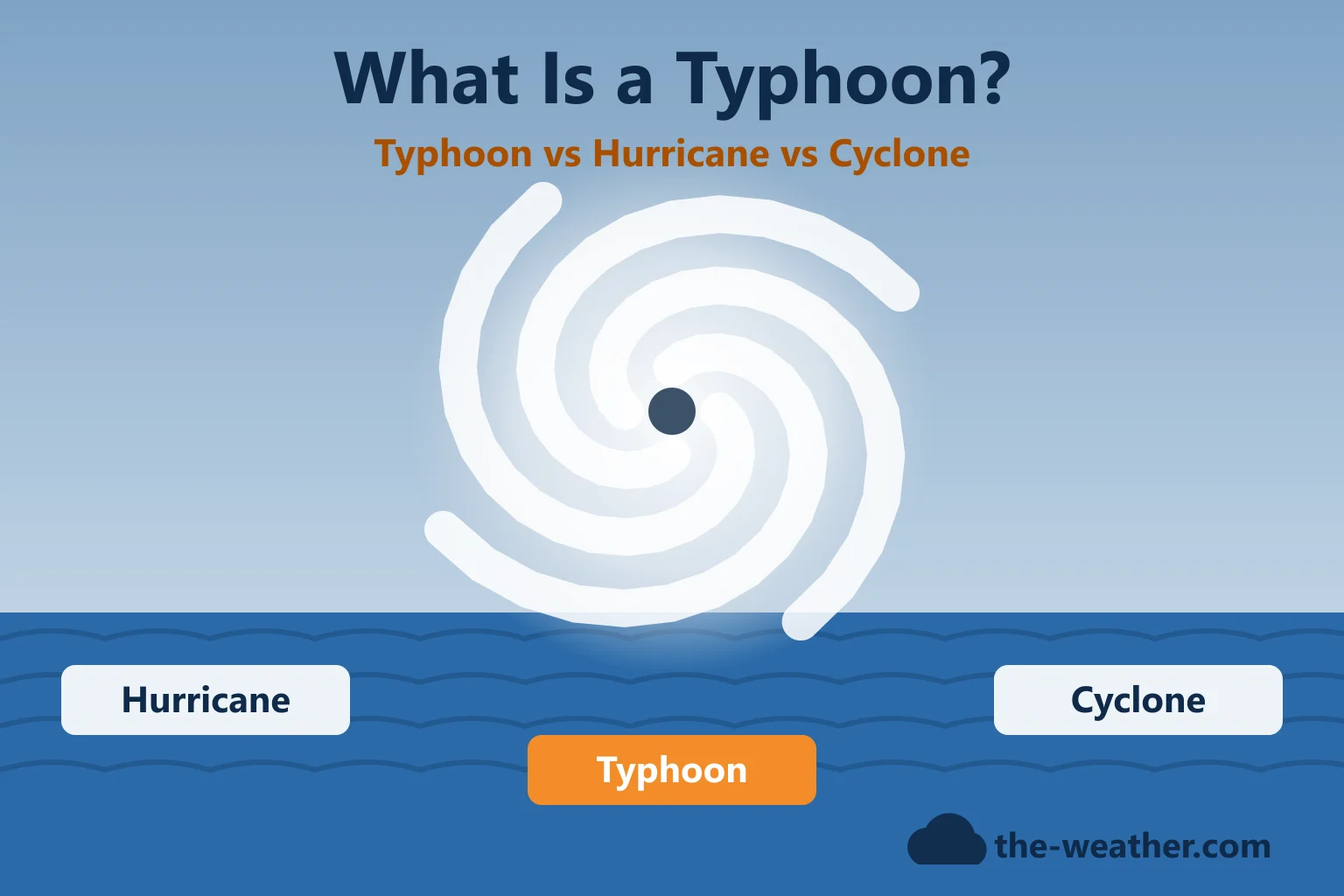
Wind speed. A tropical storm has sustained winds of 39 to 73 mph. At 74 mph it becomes a Category 1 hurricane (or a typhoon in the northwest Pacific).
Update Log
- October 20, 2026: First version. Every wind range and damage line comes from the NHC wind scale page.
Sources
- National Hurricane Center: Saffir-Simpson Hurricane Wind Scale
- National Hurricane Center: Glossary
- National Hurricane Center: Storm Surge Overview
- NOAA Hurricane Research Division: Tropical Cyclone FAQ
- Ready.gov: Hurricanes and Evacuation
More in this series: What is a typhoon? · Super typhoons · Storm surge · Watch vs warning · Hurricane Genevieve