How to Choose a Home Weather Station
Almost every home weather station has the same two parts: an outdoor sensor unit and an indoor display, app or both. The differences that matter are what the outdoor unit measures, how it measures, how you read the data and how long it keeps working. Use the four questions below to narrow the choice before you compare models.
1. What do you want to measure?
| Type | Measures | Good for |
|---|
| Indoor/outdoor thermometer | Temperature and humidity, often in several rooms | Comfort, frost warnings, garages, greenhouses |
| 5-in-1 station | Temperature, humidity, rain, wind speed and direction (plus pressure at the display) | Most homes and gardens |
| 7-in-1 station | The 5-in-1 set plus UV and solar radiation | Gardeners, sun-exposure and solar-panel owners |
| Professional station | All of the above with higher-grade sensors, often expandable with soil, leaf and extra sensors | Farms, schools, weather enthusiasts, long-term records |
2. Moving parts or none?
Wind: classic stations use spinning cups and a vane; they are proven and affordable, but bearings wear and they can freeze in an ice storm. Ultrasonic sensors measure wind with sound pulses and have no moving parts, at a higher price. Rain: a tipping-bucket gauge counts small buckets of water and is accurate when kept level and clean; haptic sensors (used by the WeatherFlow Tempest) detect the impact of drops and need no cleaning, but tend to under-read in very heavy rain. Temperature: the sensor sits in a radiation shield; a shield with a small fan (aspirated) stays closer to the true air temperature on sunny, calm days than a passive one.
3. How do you want to read the data?
- Display only: works out of the box, no network or account. Ideal if you just want to glance at the weather in the kitchen.
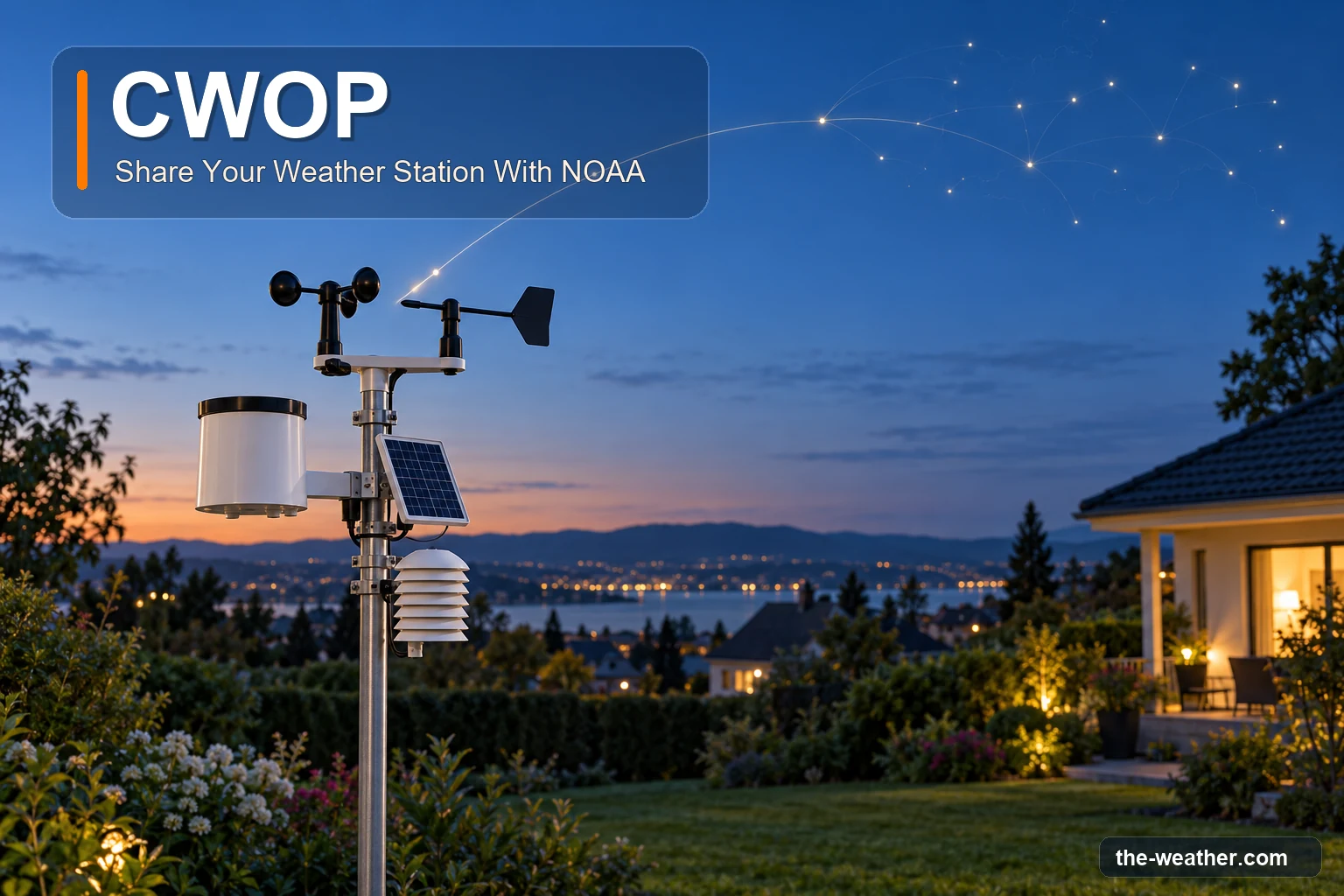
- Wi-Fi console or hub with an app: check your weather anywhere, set alerts, keep long-term history and share data with Weather Underground or the Citizen Weather Observer Program. Most models use 2.4 GHz Wi-Fi only.
- Both: many stations combine a color display with Wi-Fi, so the display keeps working when the internet is down.
Not sure? Compare Wi-Fi weather stations with simple models such as the La Crosse S77925.
4. Will it keep working for years?
Look for a solar-assisted outdoor unit with a battery backup (use lithium batteries if it freezes where you live), a brand that sells spare parts such as wind cups and rain-gauge tubes, and support that still answers questions. Davis and AcuRite, for example, sell most outdoor parts separately: see our guides to Davis Vantage Pro2 parts and AcuRite replacement parts.
Placement decides the accuracy
Even the best sensor gives wrong readings in the wrong spot. Mount the temperature and humidity sensor in shade over grass, at about 1.25 to 2 m (4 to 6.5 ft), away from walls and paving. Put the wind sensor as high and open as you safely can, and keep the rain gauge level and clear of trees and roofs. Step by step: how to install a home weather station.
Sources: World Meteorological Organization, Guide to Instruments and Methods of Observation (WMO-No. 8) · National Weather Service: Citizen Weather Observer Program · manufacturer documentation of the stations reviewed on this site