
Analog Hygrometers: Hair, Synthetic or Coil, and How to Keep One Accurate
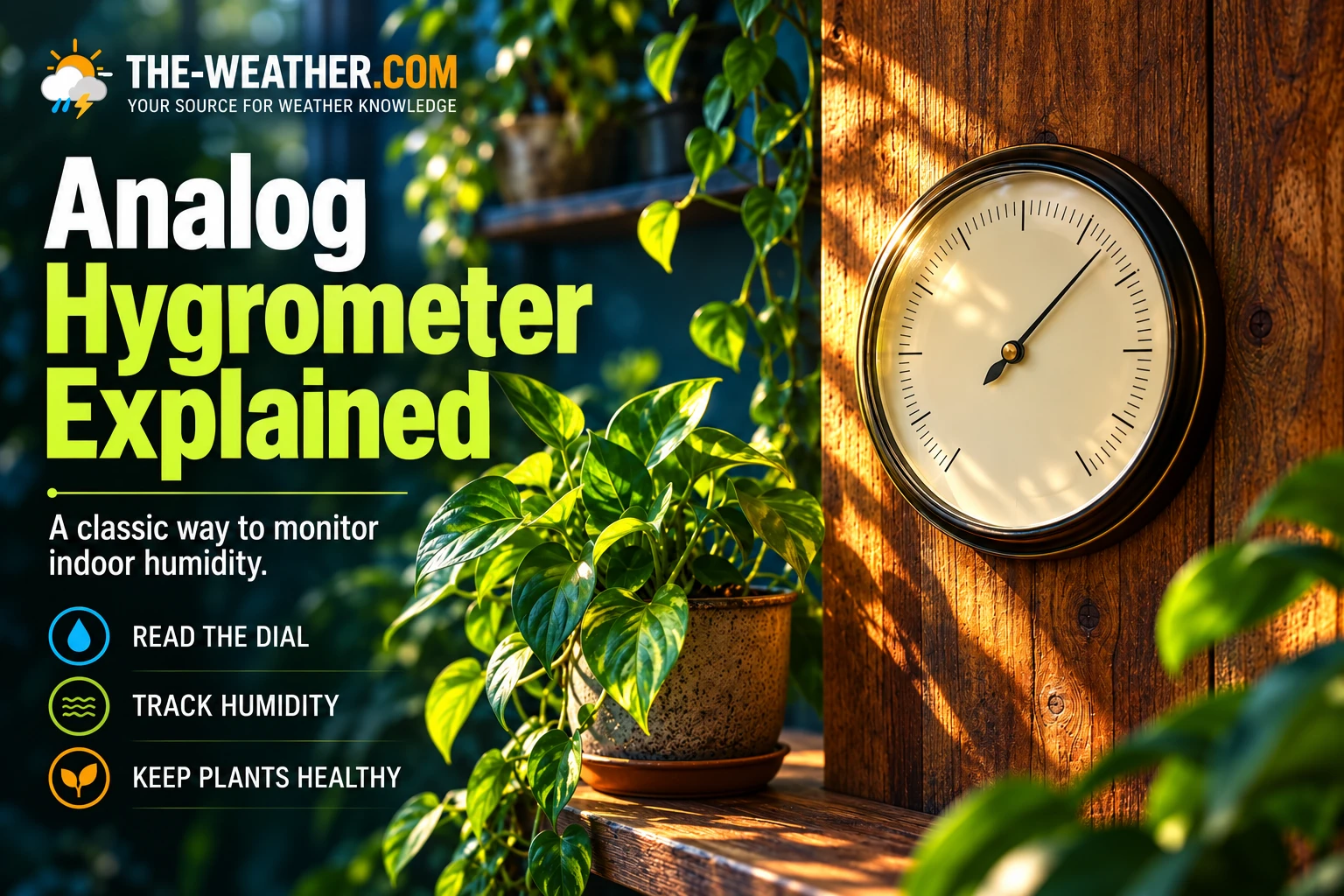
Analog dial hygrometers explained: hair, synthetic and coil types, how accurate they can be, what to check on a listing, and how to regenerate and adjust one.


How real atomic clocks keep time with cesium atoms, and how your atomic wall clock really works: the NIST WWVB radio signal, its time code, time zones and DST.
How to set a La Crosse atomic wall clock by hand, model by model, from the manuals: time zone, daylight saving time, manual signal search and fixing a wrong hour.
Three current La Crosse atomic wall clocks with temperature compared: outdoor sensor, time zones, size, batteries, who should skip each, setup and fixing sync.
Solar powered weather stations compared: which models run the sensor on sunlight, which only power a fan, what is in the box, and how each gets through winter.
How a balsam fir weather stick works: compression wood that reacts to humidity, what it can and cannot tell you, how it compares with a barometer, and how to make one.
What is considered high or low barometric pressure, what each does to the weather, and what a falling barometer means, with NWS definitions and simple ranges.
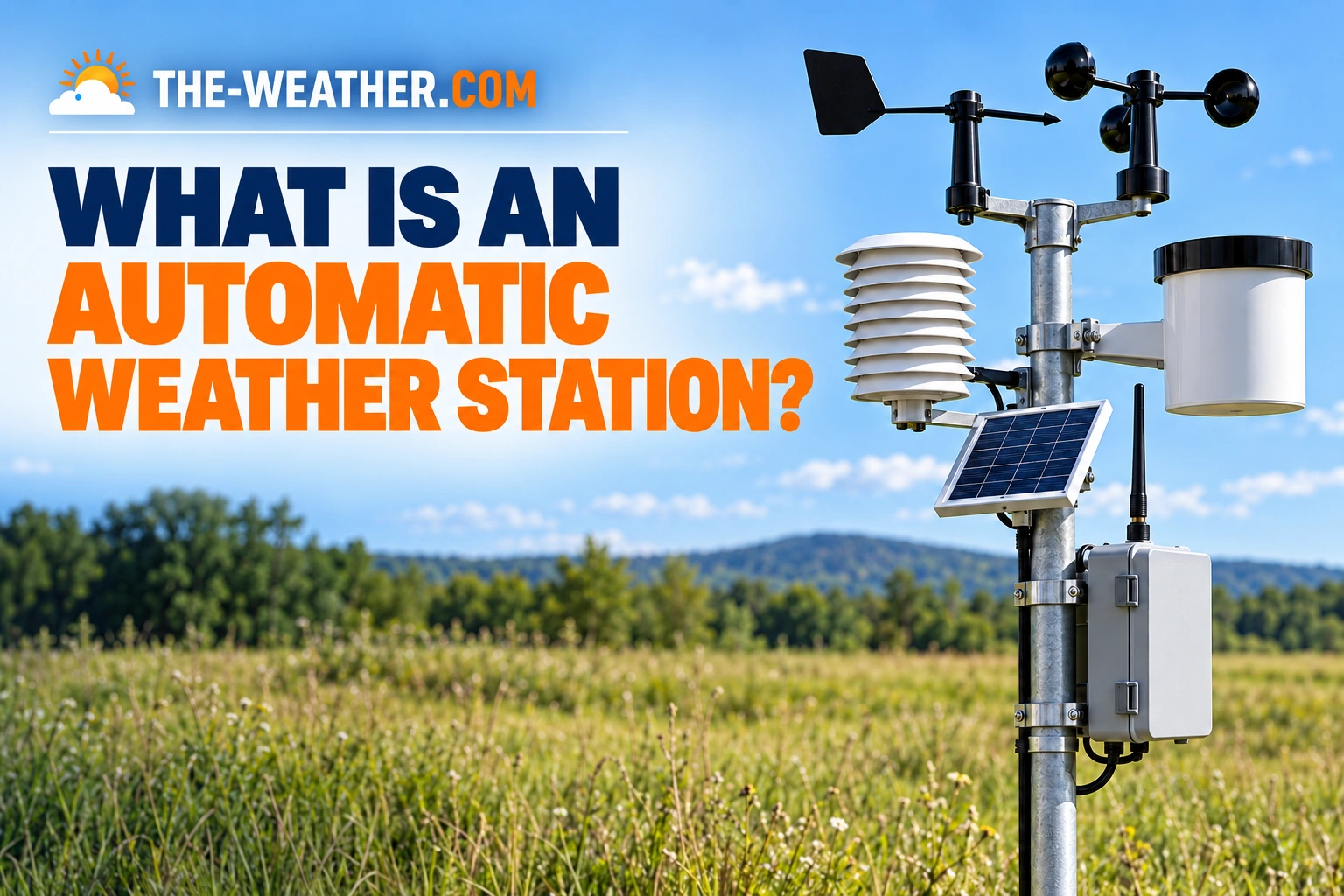
What an automatic weather station is, by the WMO definition: how it works, real-time vs off-line stations, the U.S. networks (ASOS, AWOS, RAWS) and home stations.
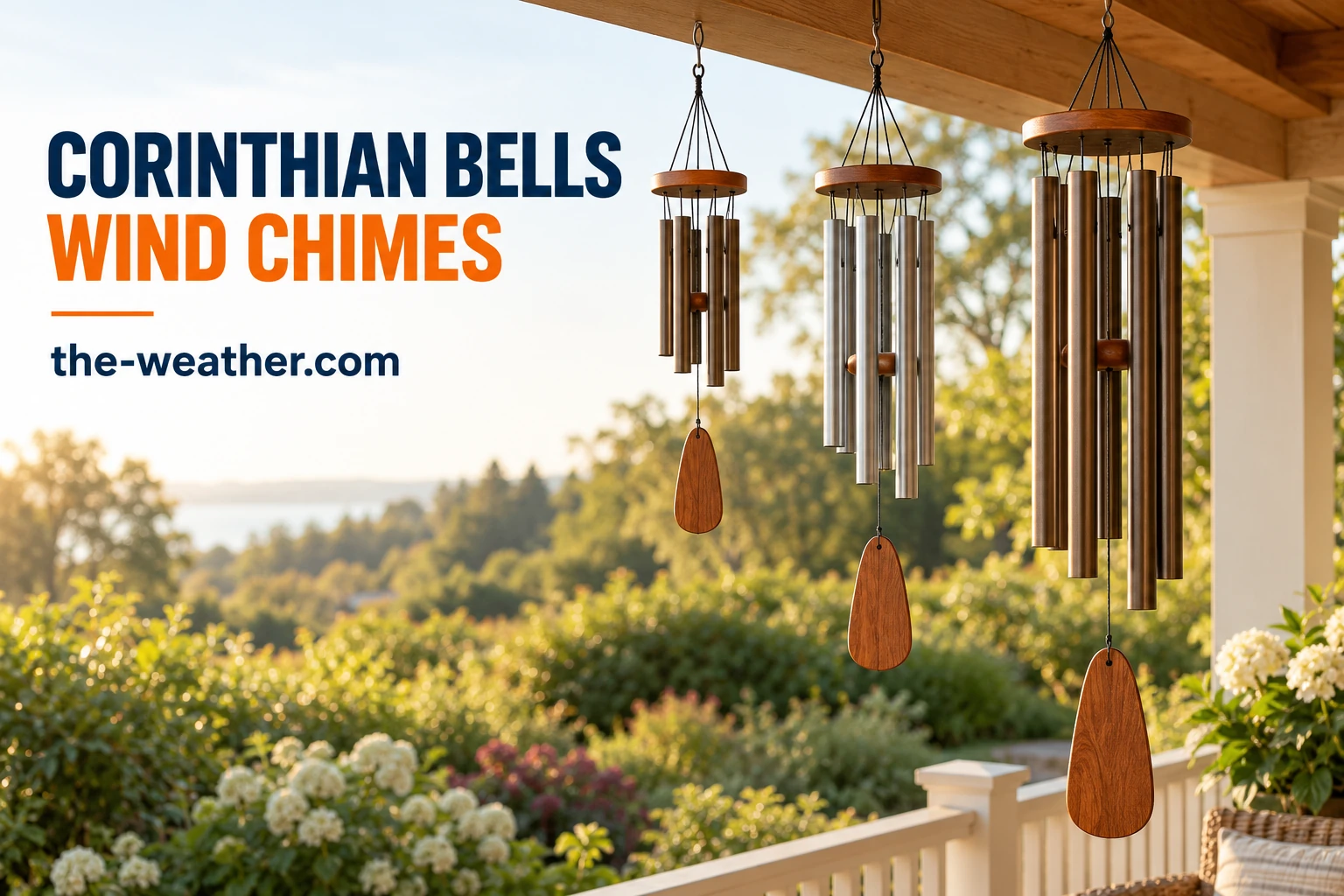
Corinthian Bells wind chimes compared: all ten sizes with scale, notes, weight and tube length, porch clearance, hook load, warranty and repair.
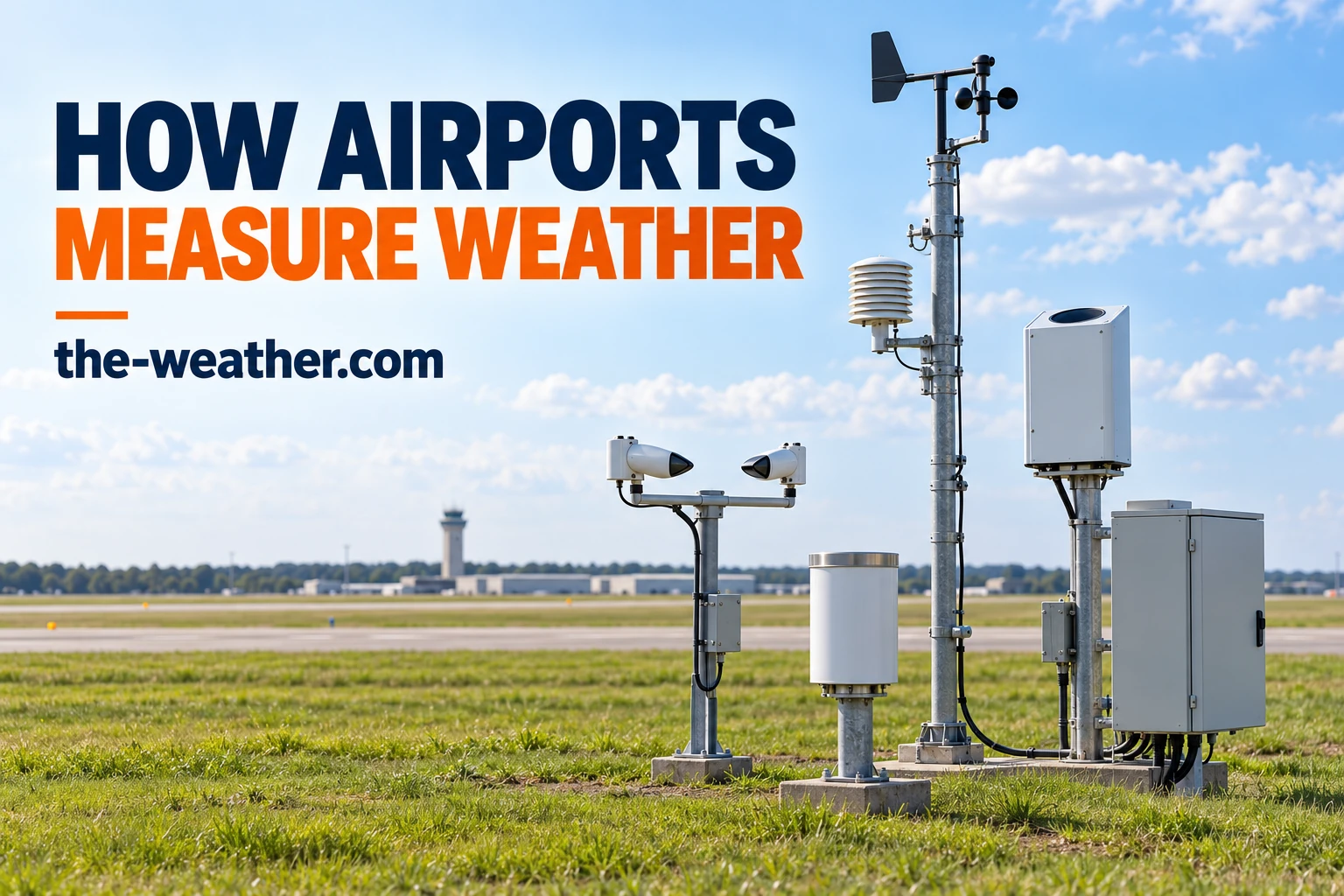
How U.S. airports measure weather with ASOS: each sensor, hourly and 5-minute reports, a real METAR decoded, and how to look up one station yourself.