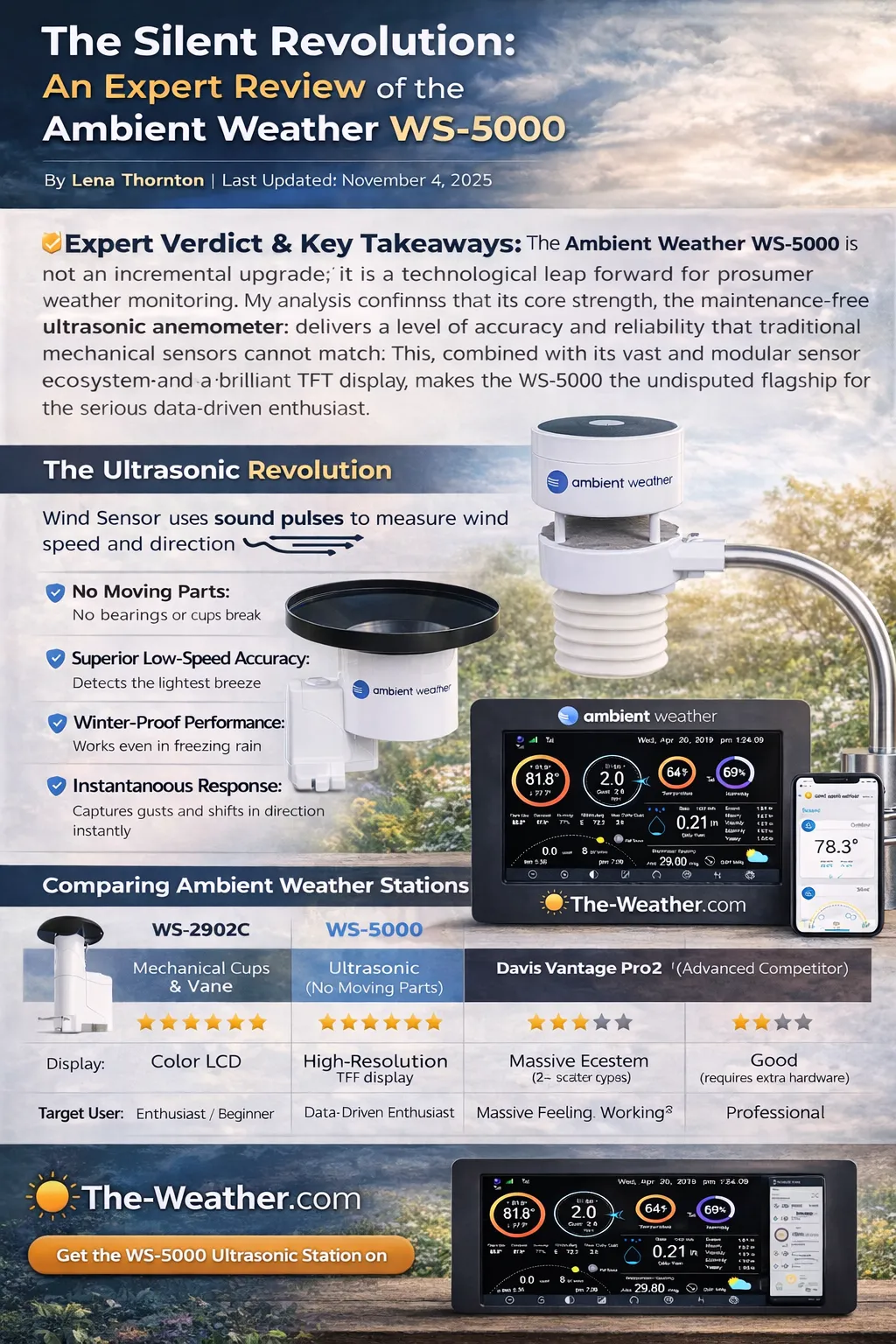


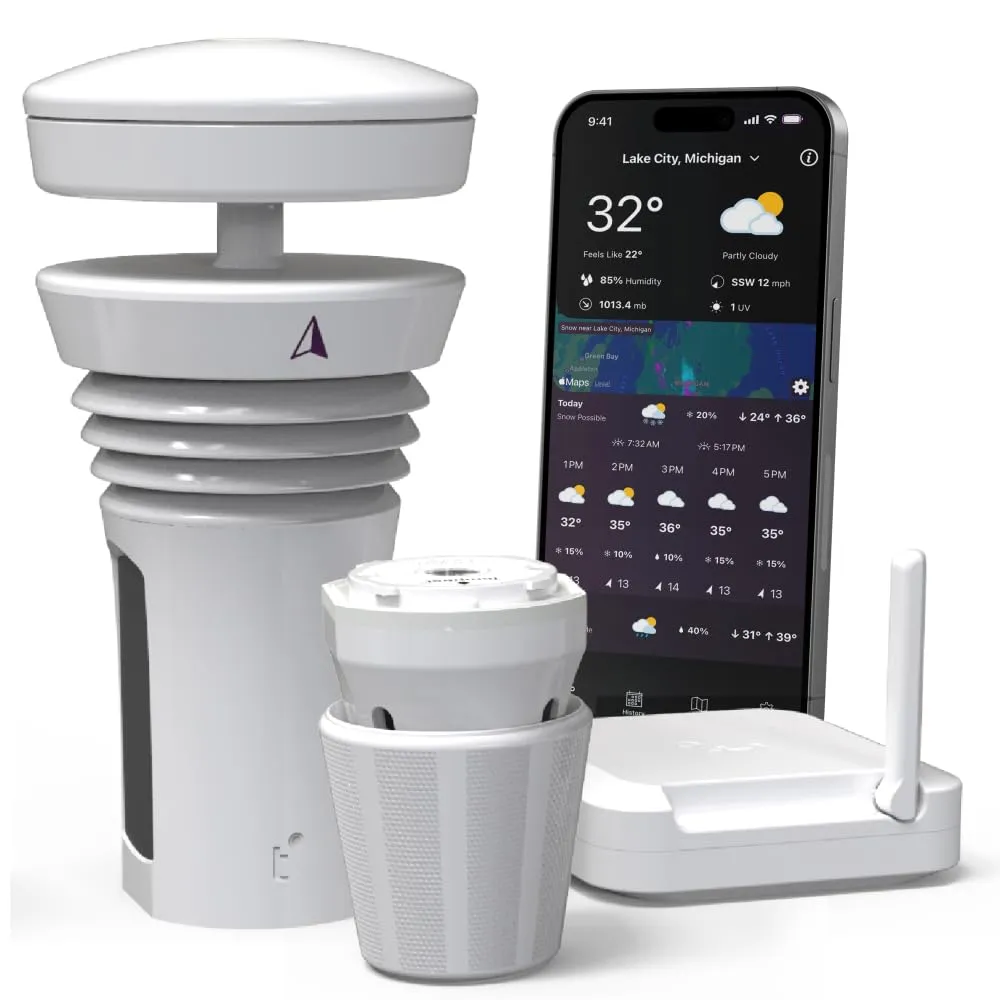






Ambient Weather WS-2902C
- Built-in Wi-Fi, no hub needed
- Physical colour indoor console included
- Native Weather Underground upload
- Alexa and Google Home both supported

Clear answers. Official sources.
Understand the weather where you live, get ready for storms and pick gear that fits. Plain explanations checked against the National Weather Service, free tools like our SAME code lookup, and reviews that tell you what we handled and what we only researched.
National Weather Service, alerts rated severe or extreme, as of 3:55 AM Eastern. This is a summary, not a warning service: for your own address use weather.gov or a NOAA weather radio.
Fresh guides, reviews and deal checks from Lena and the editorial team.
 NewWeather Education & Explanations
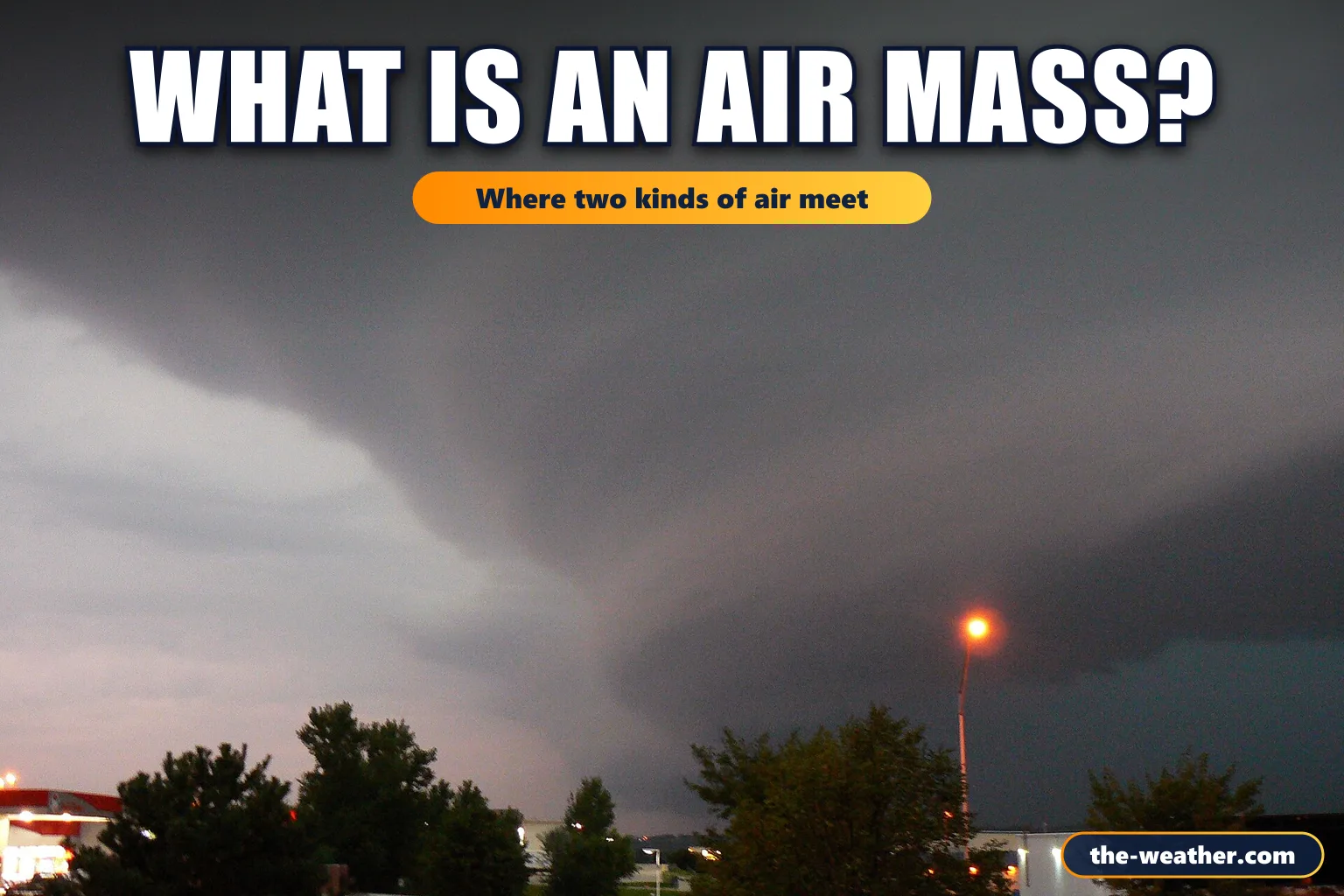
Warm air is less dense, and gravity pulls the denser, cooler air down underneath it, forcing the warm air up. How rising air cools and builds clouds and storms.
Read the article Weather Education & Explanations
 Weather Education & Explanations
 Weather Education & Explanations
 Weather Education & Explanations
Learn how weather works, understand your data and get the most out of your weather station.

Who writes this? Lena Thornton and the editorial team. Every review says whether we handled the product ourselves or researched it from manuals and specifications. How we research · Editorial policy
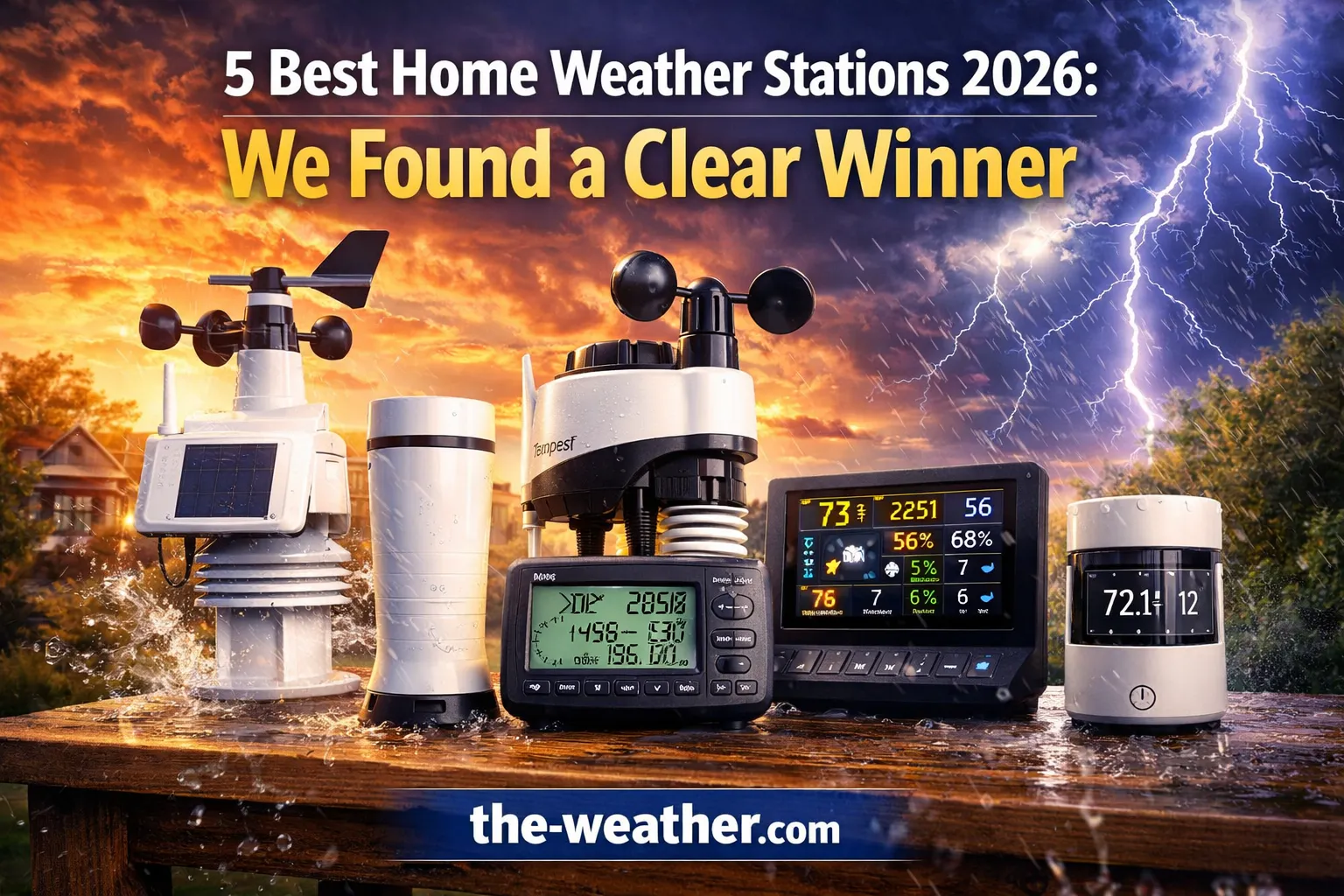
Our top picks for home use, ranked on accuracy, reliability, features and value.

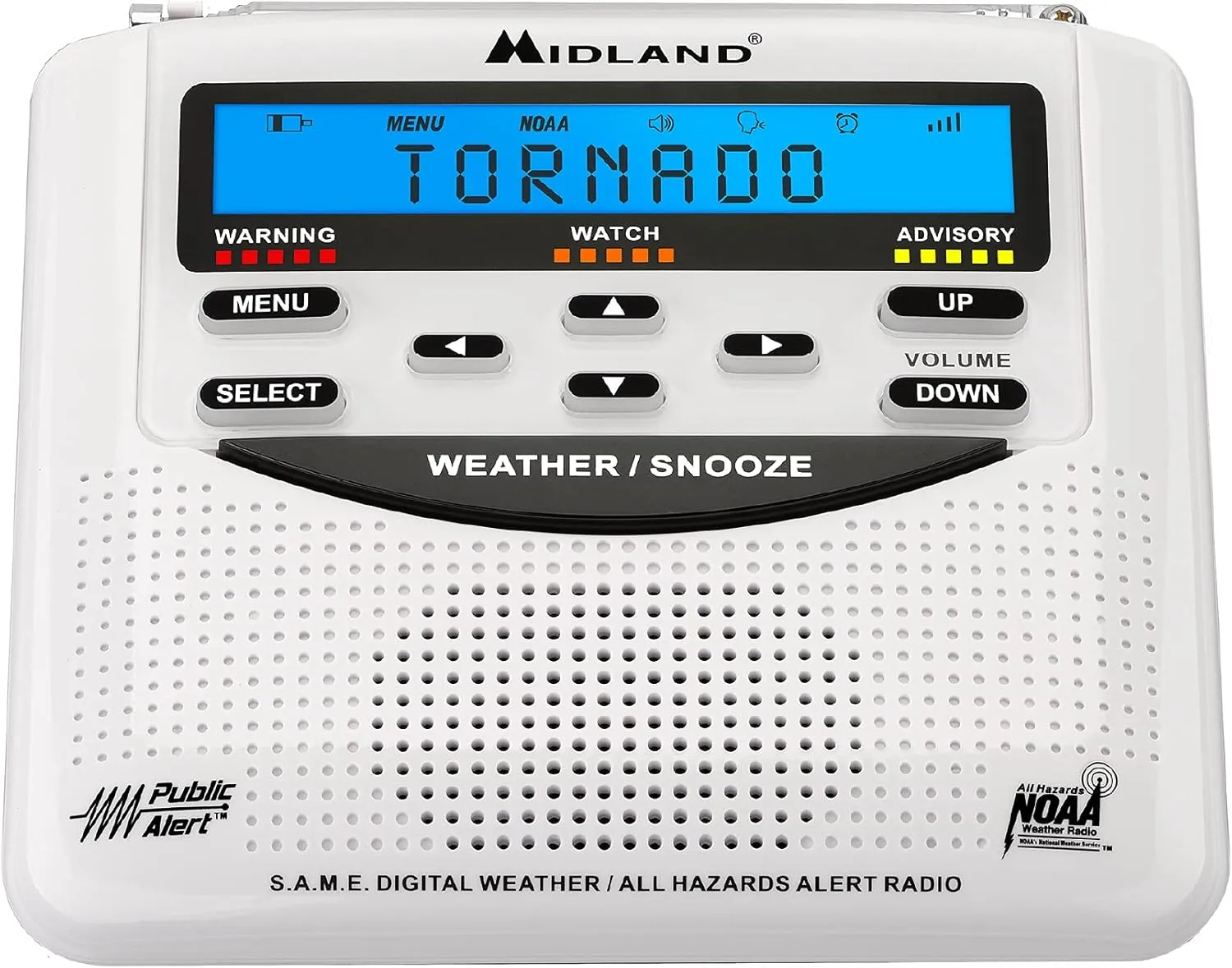
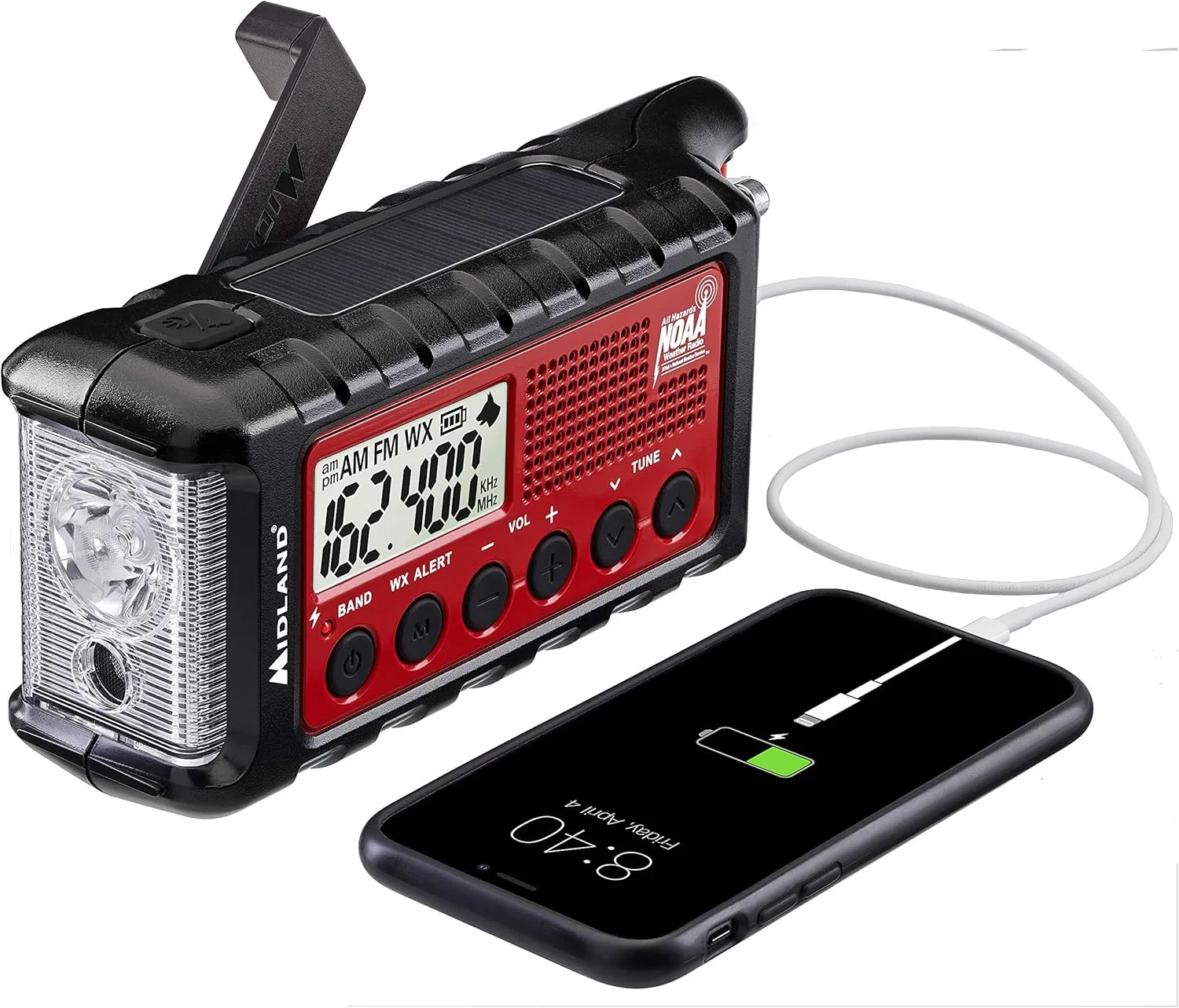
Get early warnings for severe weather, hurricanes, tornadoes and other emergencies. Our top-rated NOAA weather alert radios for home and outdoor use.
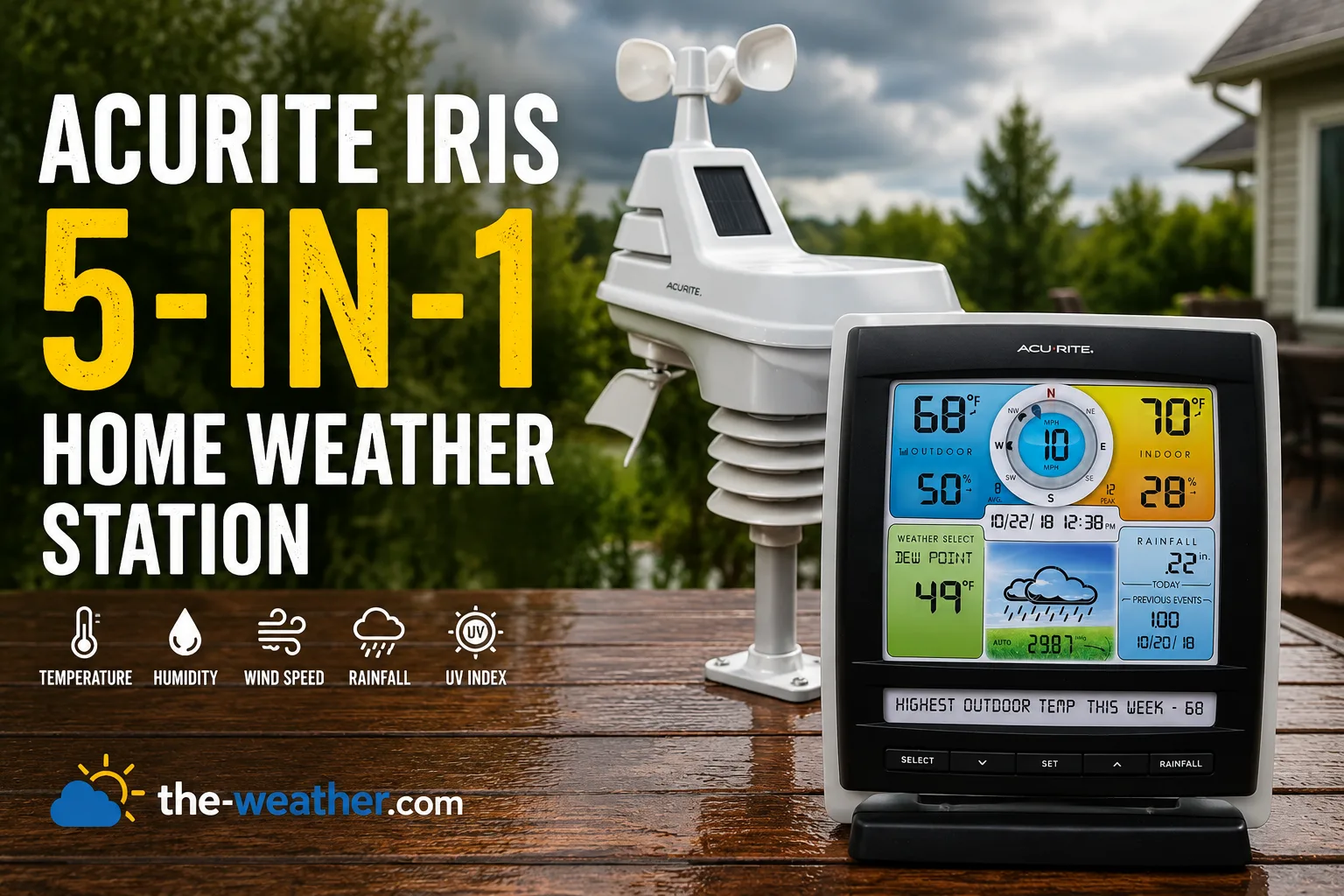
The temperature and rain in your weather app usually come from an official station at an airport, often several miles from your home. Over that distance a sea breeze, a valley, a city or a single thunderstorm can make a real difference. A home weather station measures the conditions in your own yard, every few seconds, and keeps the history so you can see frost nights, rain totals and wind gusts as they really happened.
Your readings can even help forecasters: through the Citizen Weather Observer Program (CWOP), volunteer stations send their data to the National Weather Service via NOAA's MADIS system, where it is quality-checked and used by forecast models. For storm warnings that work without internet, a NOAA weather alert radio with SAME county codes is the reliable backup.
Step by step with photos: how to install a home weather station · how accurate home weather stations really are
Sources: National Weather Service: CWOP · World Meteorological Organization, Guide to Instruments and Methods of Observation (WMO-No. 8)
Better weather data
for a brighter tomorrow.