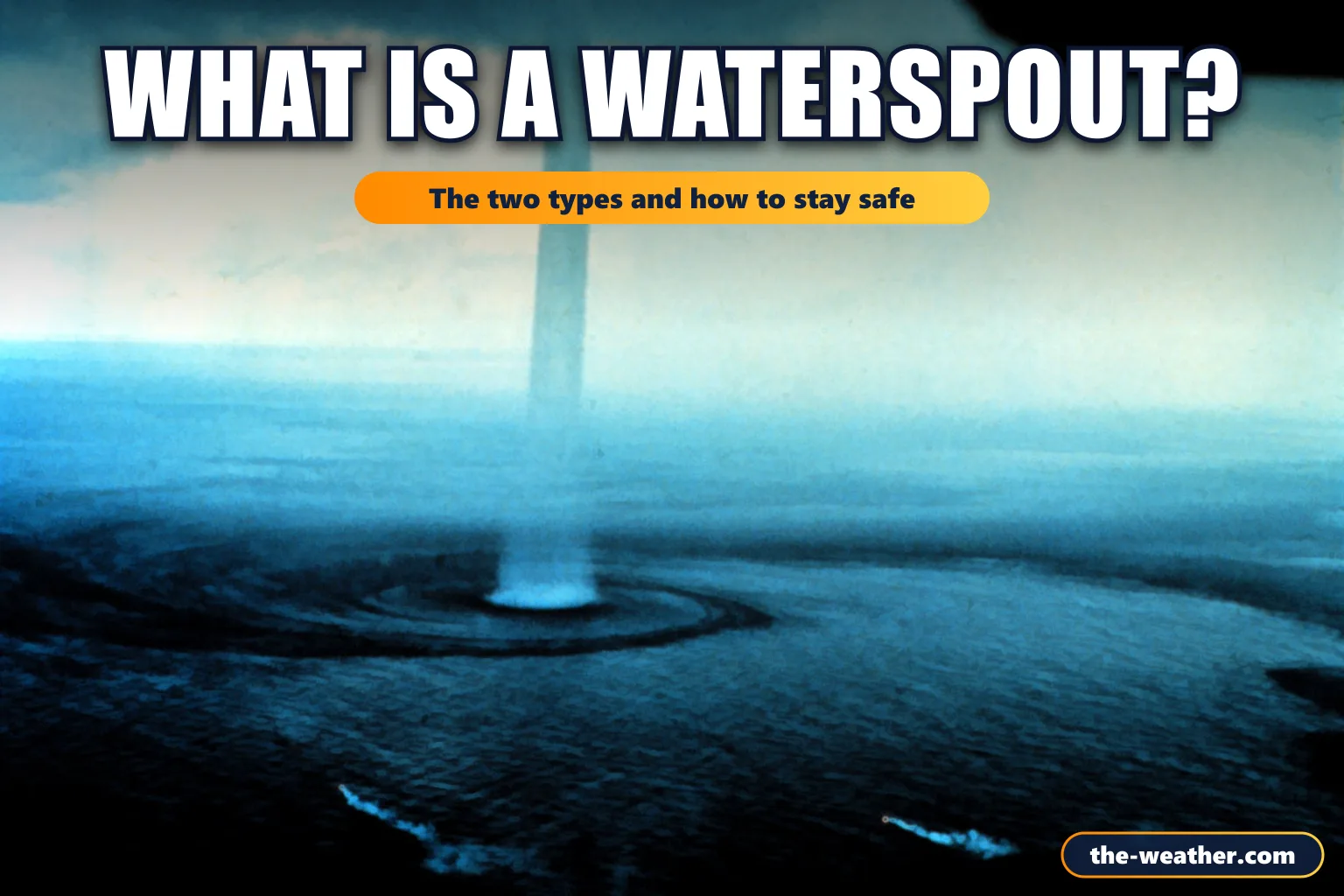
What Is a Waterspout? The Two Types, How Strong They Are and What to Do
A waterspout is a whirling column of air and water mist. Tornadic vs fair-weather waterspouts, the five stages, real wind speeds from the Florida Keys and NOAA safety advice.
105 articlesPage 2 of 11
A waterspout is a whirling column of air and water mist. Tornadic vs fair-weather waterspouts, the five stages, real wind speeds from the Florida Keys and NOAA safety advice.
Hurricanes are 60 to 1,000+ miles wide and last days; tornadoes are a few hundred feet wide and last minutes. Size, wind scales, warnings and tornadoes inside hurricanes.
Near the equator sunlight is direct, toward the poles it spreads out. How latitude, oceans and land shape climate, shown with climographs from NOAA data.
Weather is what the atmosphere does today; climate is the 30-year average of that weather in one place. Five differences, examples and NOAA normals for five cities.
Wind chill is how cold it feels on skin. It cannot cool water, pipes, plants or cars below the real air temperature. What it does do, with NWS examples.
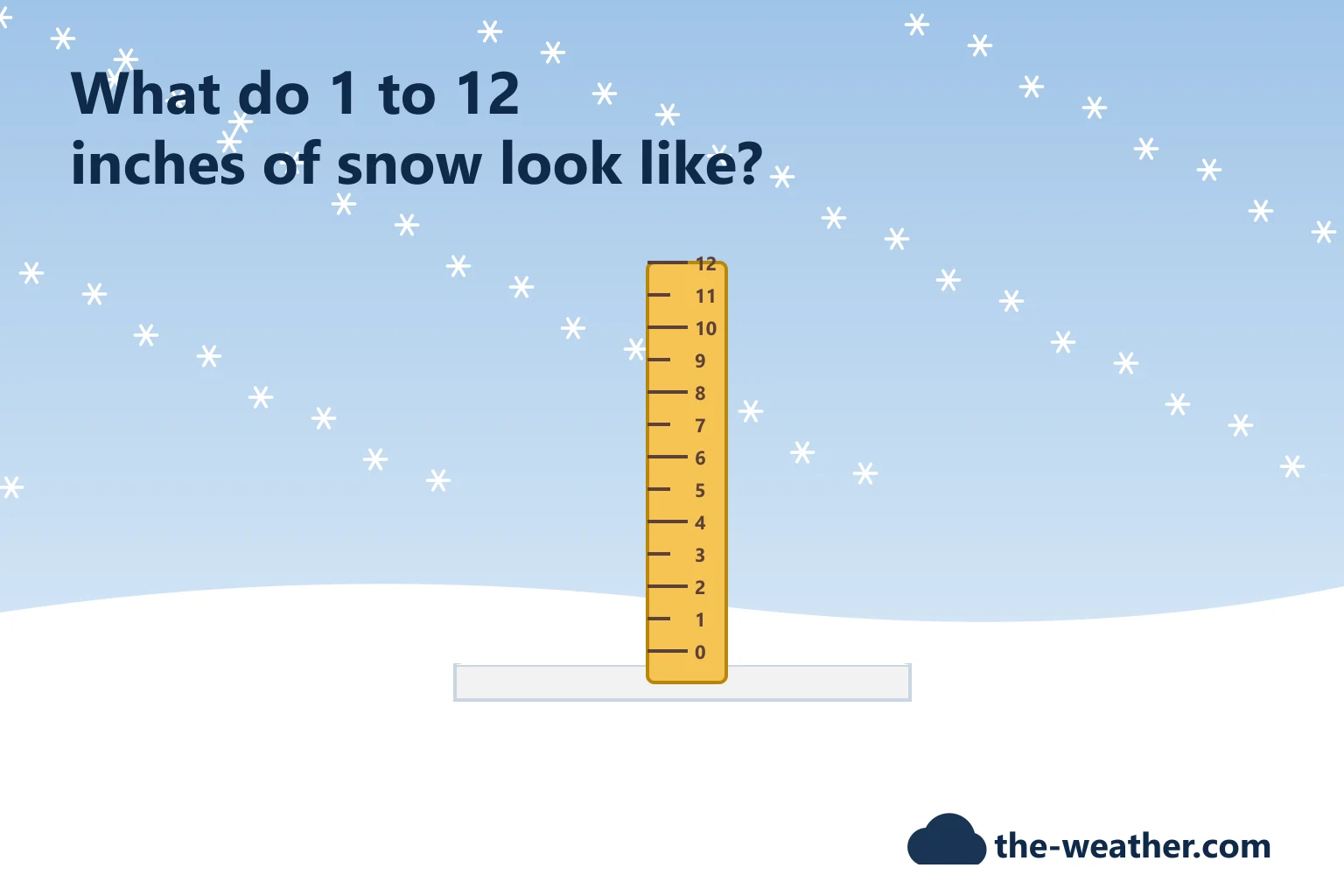
1 inch of snow is about the width of a quarter, 6 inches the length of a dollar bill. How much water is in snow, and how to measure snowfall at home the official CoCoRaHS way.
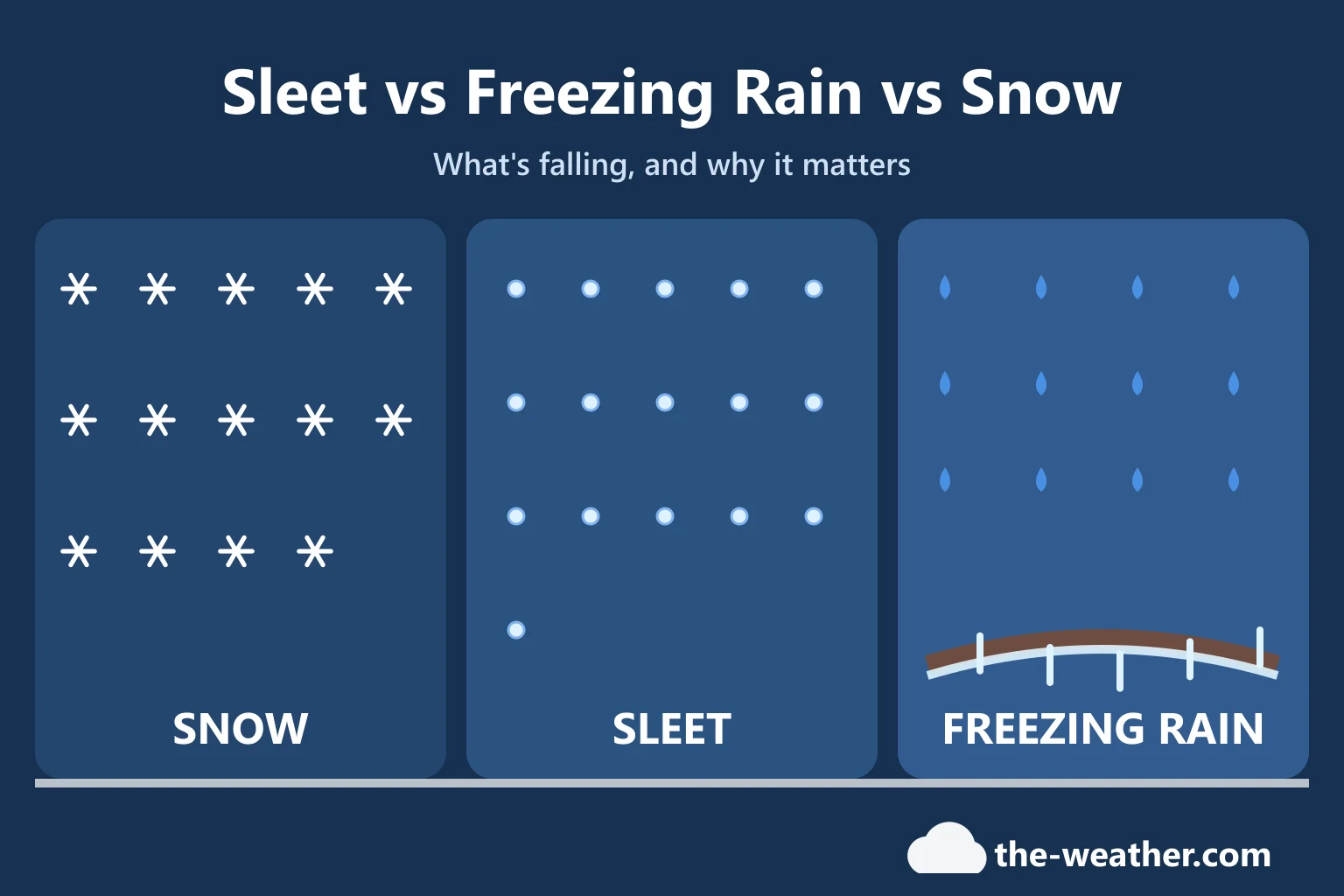
Sleet freezes before it lands and bounces, freezing rain freezes on contact and coats everything in ice. How the warm layer decides what falls, which is most dangerous, and how to measure it.
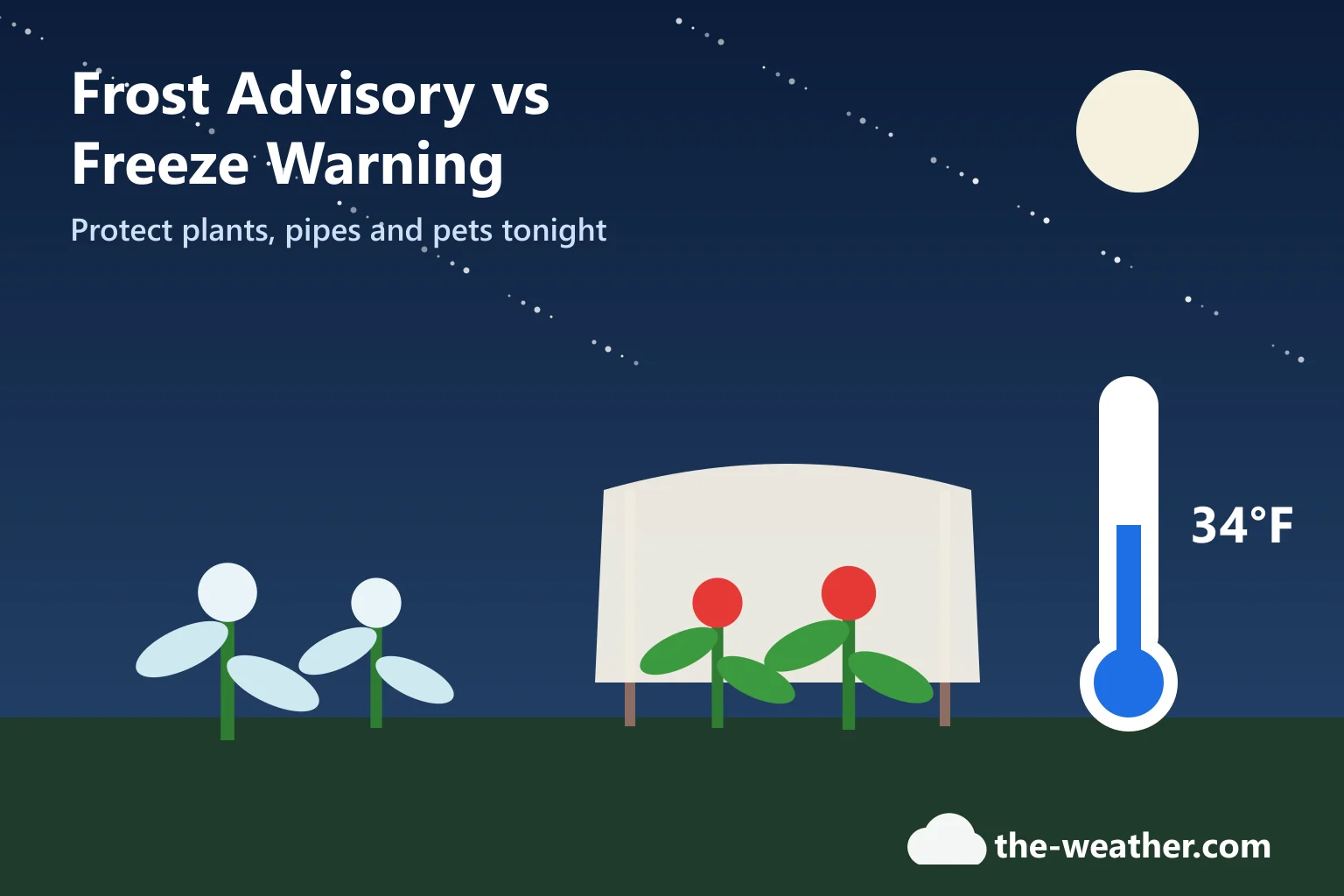
Frost advisory: frost expected. Freeze watch: a freeze is possible. Freeze warning: a freeze is expected. Criteria differ per NWS office. How to protect plants, pipes and pets.
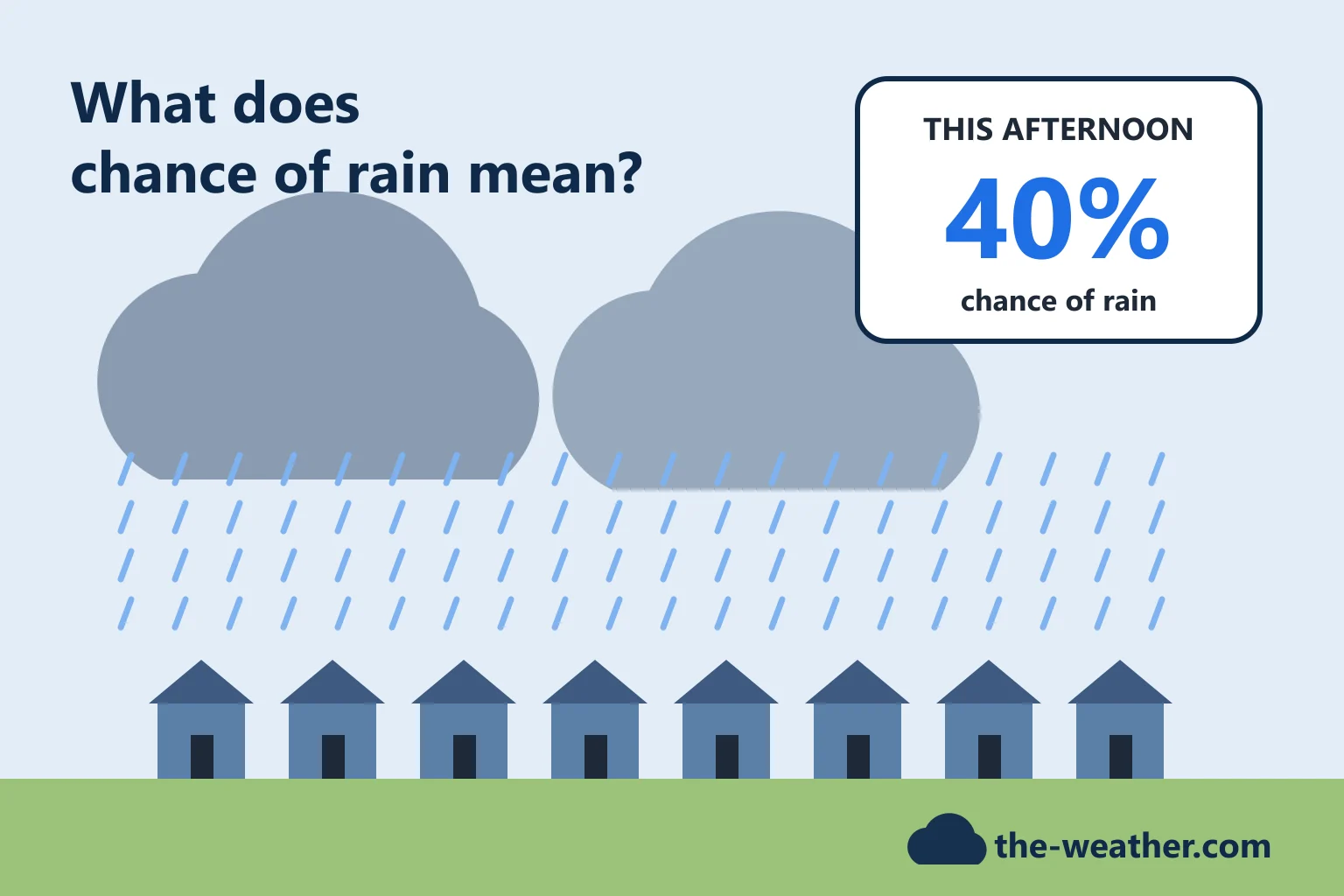
A 40% chance of rain means a 40% chance that your spot gets at least 0.01 inch of rain, not rain over 40% of the area. How forecasters explain the number, and what 20%, 30%, 40% and 50% mean.
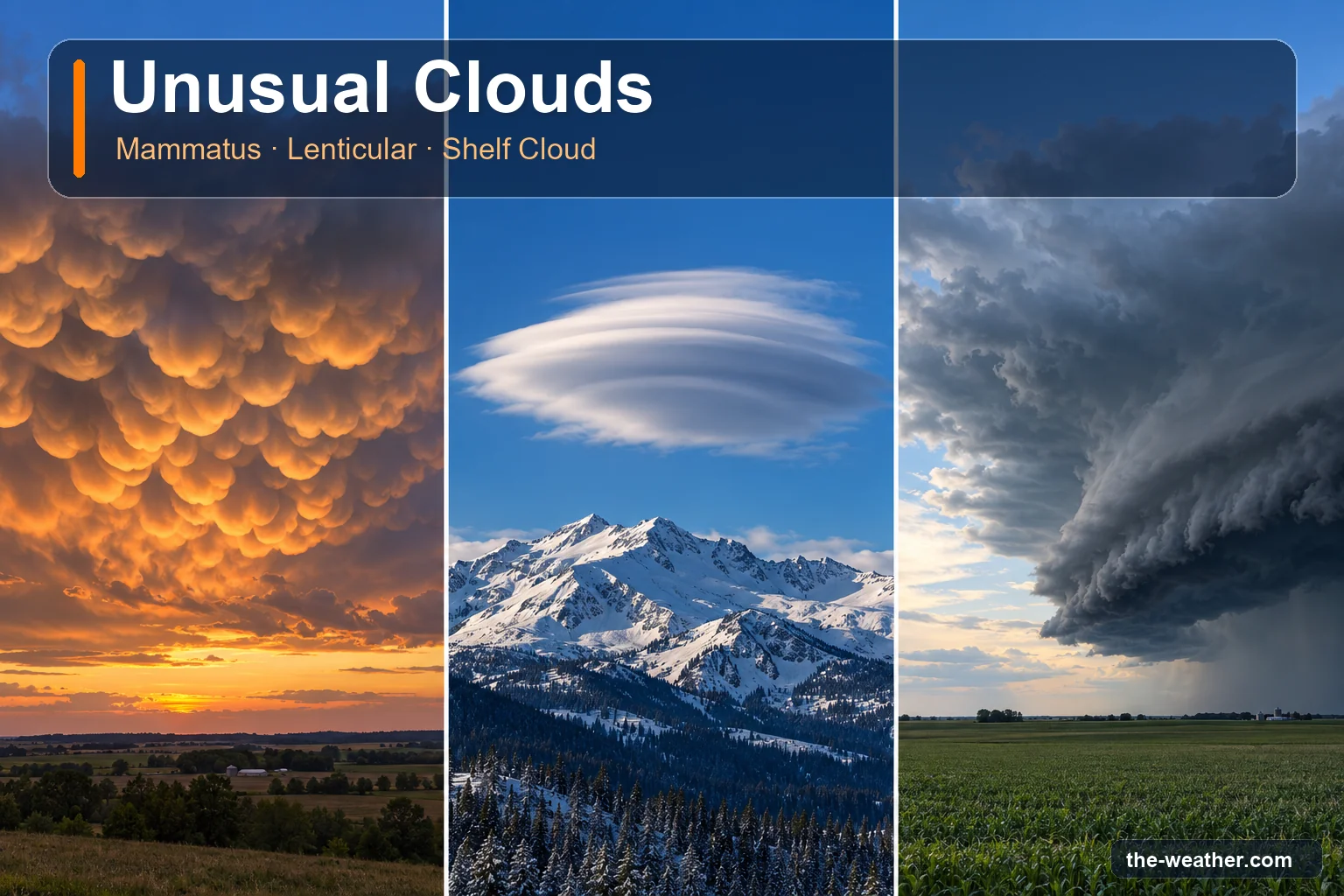
Mammatus pouches, lens-shaped lenticular clouds and the shelf cloud at the front of a storm: how to recognize each one, why it forms and what it means for you.