What Causes La Niña? The Cold Phase of ENSO Explained
La Niña develops when trade winds strengthen beyond normal, pushing warm water west and exposing cool water through enhanced upwelling. Here is the full mechanism.
84 articlesPage 3 of 9
La Niña develops when trade winds strengthen beyond normal, pushing warm water west and exposing cool water through enhanced upwelling. Here is the full mechanism.
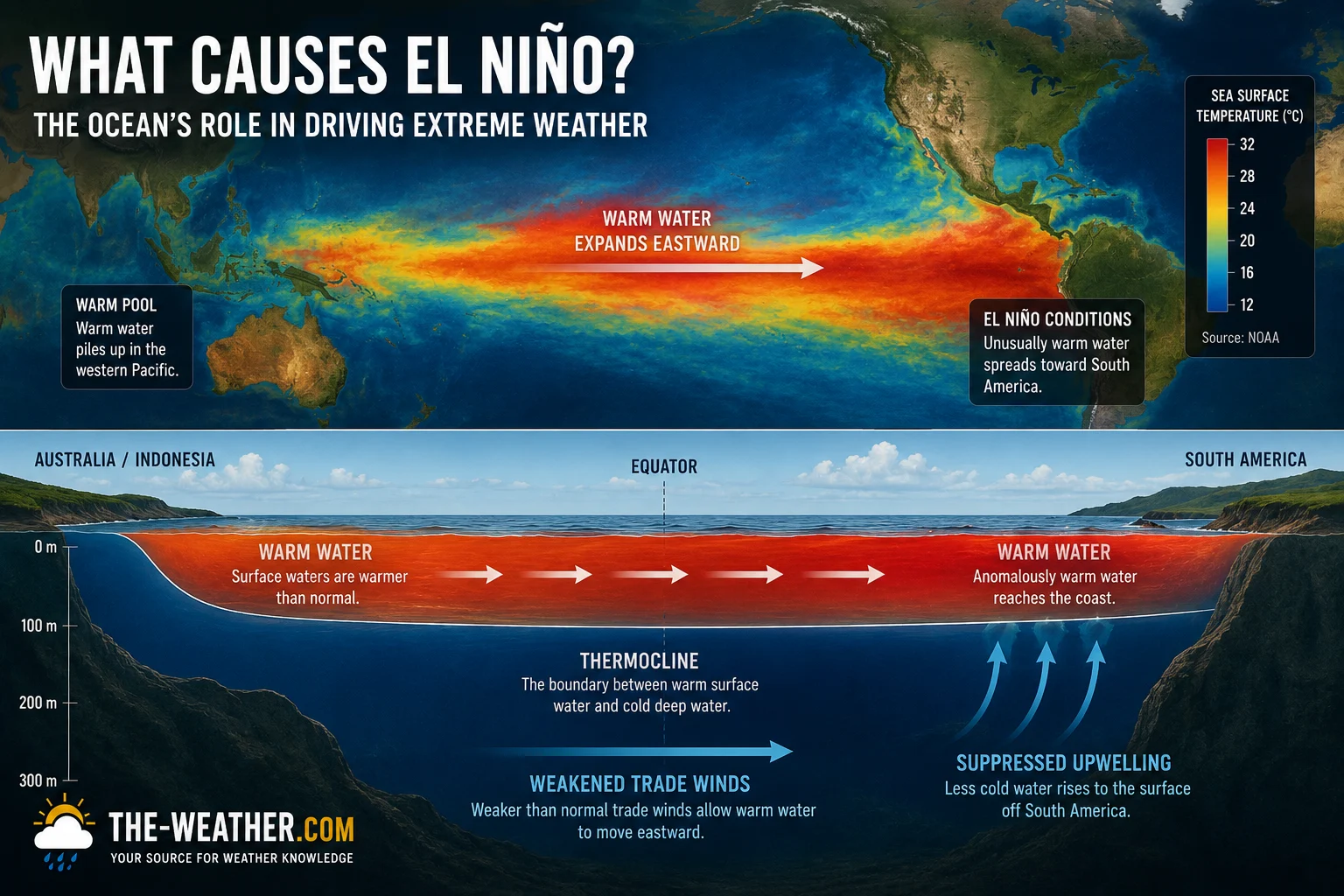
El Niño begins when trade winds weaken and warm Pacific water sloshes eastward. Here is the full mechanism Walker Circulation, Kelvin waves, thermocline, and Bjerknes feedback.
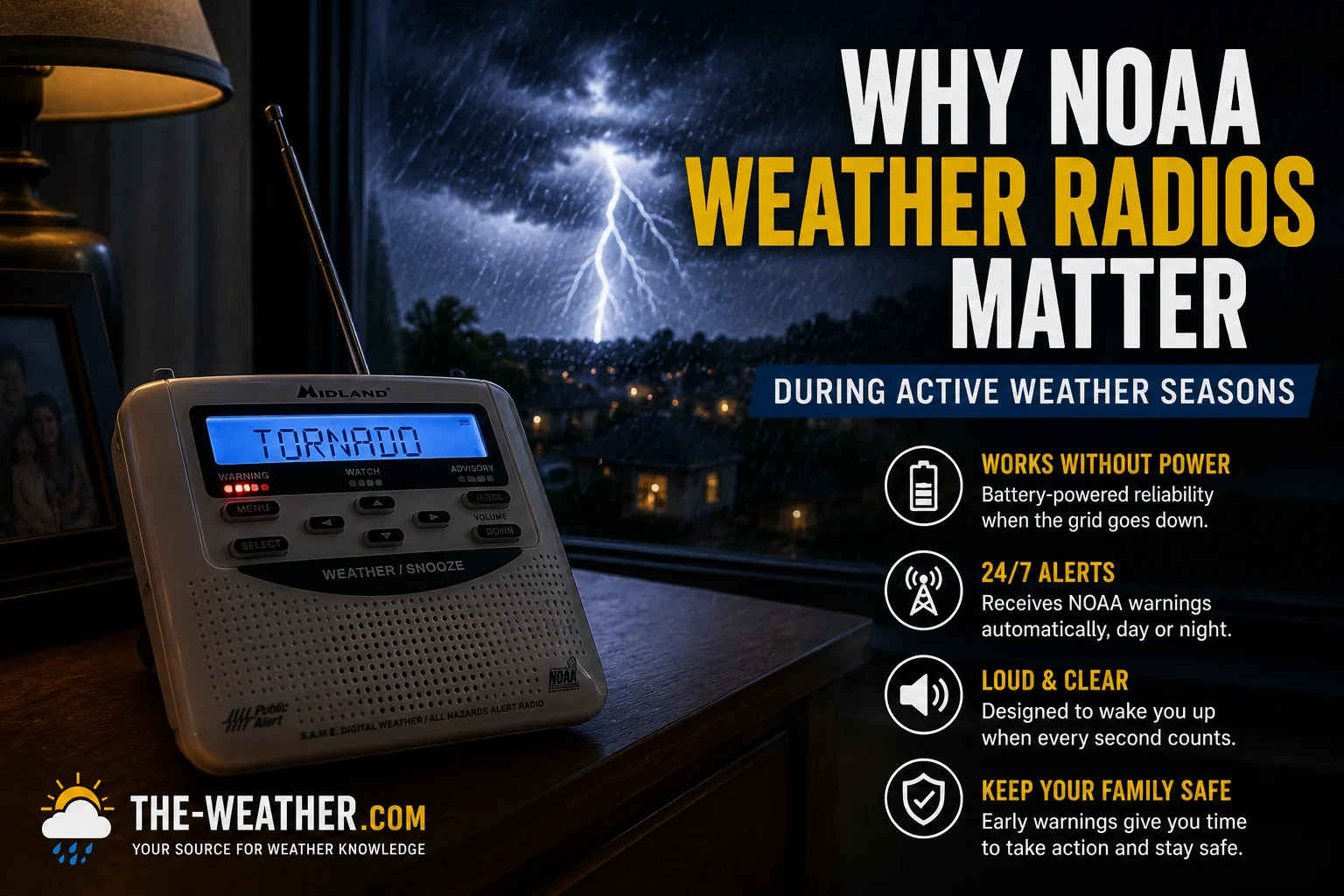
Smartphone alerts depend on cell towers and battery charge. A NOAA weather radio works independent of both here is why that matters during hurricane season.
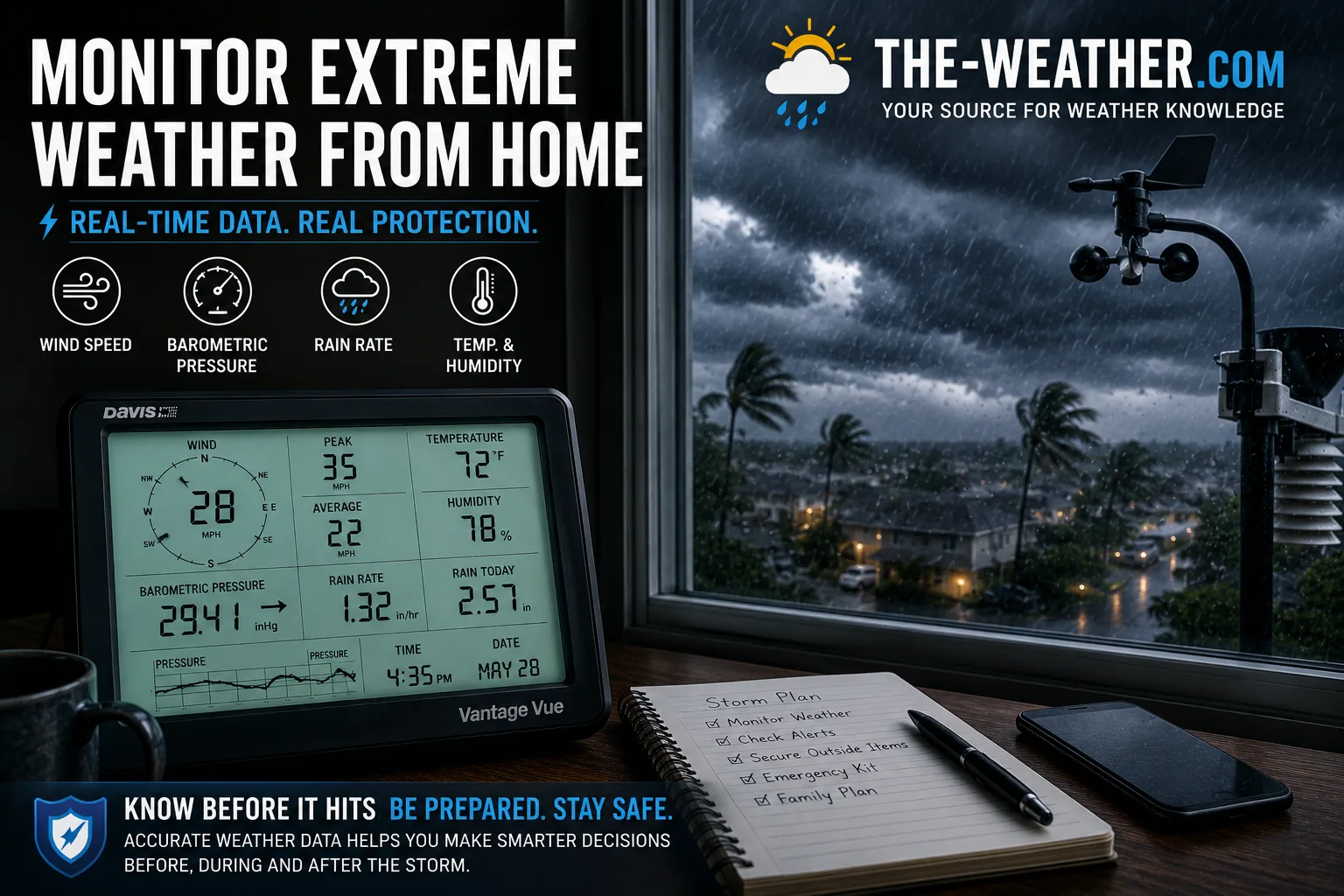
The exact metrics and thresholds to watch as severe weather approaches barometric pressure drops, NWS wind speed thresholds, and rainfall rate alerts.
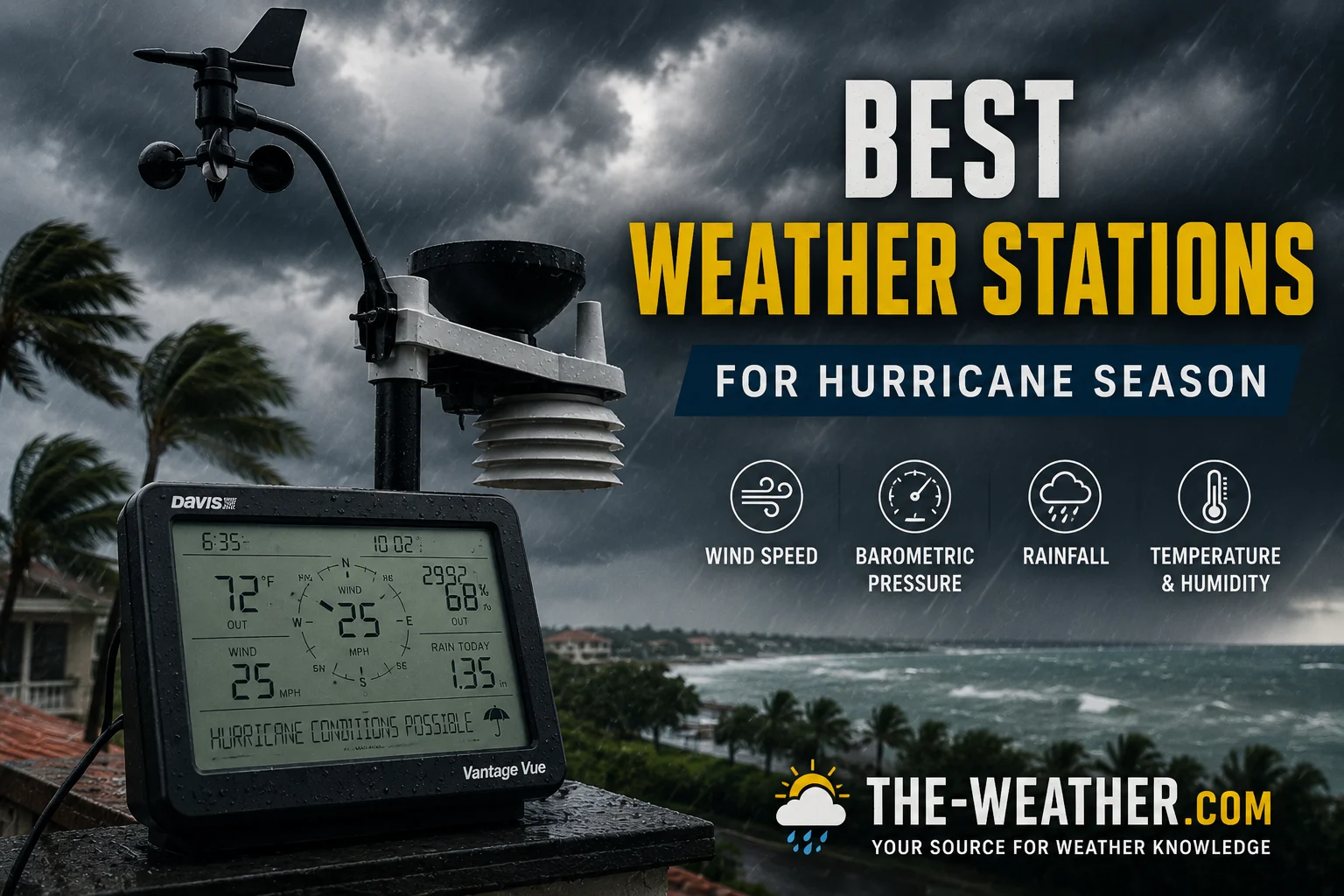
Four weather stations compared for hurricane season tracking wind, barometric pressure, and rainfall. Best overall, best value, best for storm trackers, and simplest setup.
El Niño increases Atlantic wind shear, suppressing hurricane development. NOAA's 2026 forecast, the mechanism explained, and why a quiet season still demands prep.
A weather-science explanation of how rain, snow and wind affect Starlink. Ka-band rain fade, snow melt specs, Gen 3 ratings and what actually matters for rural users.
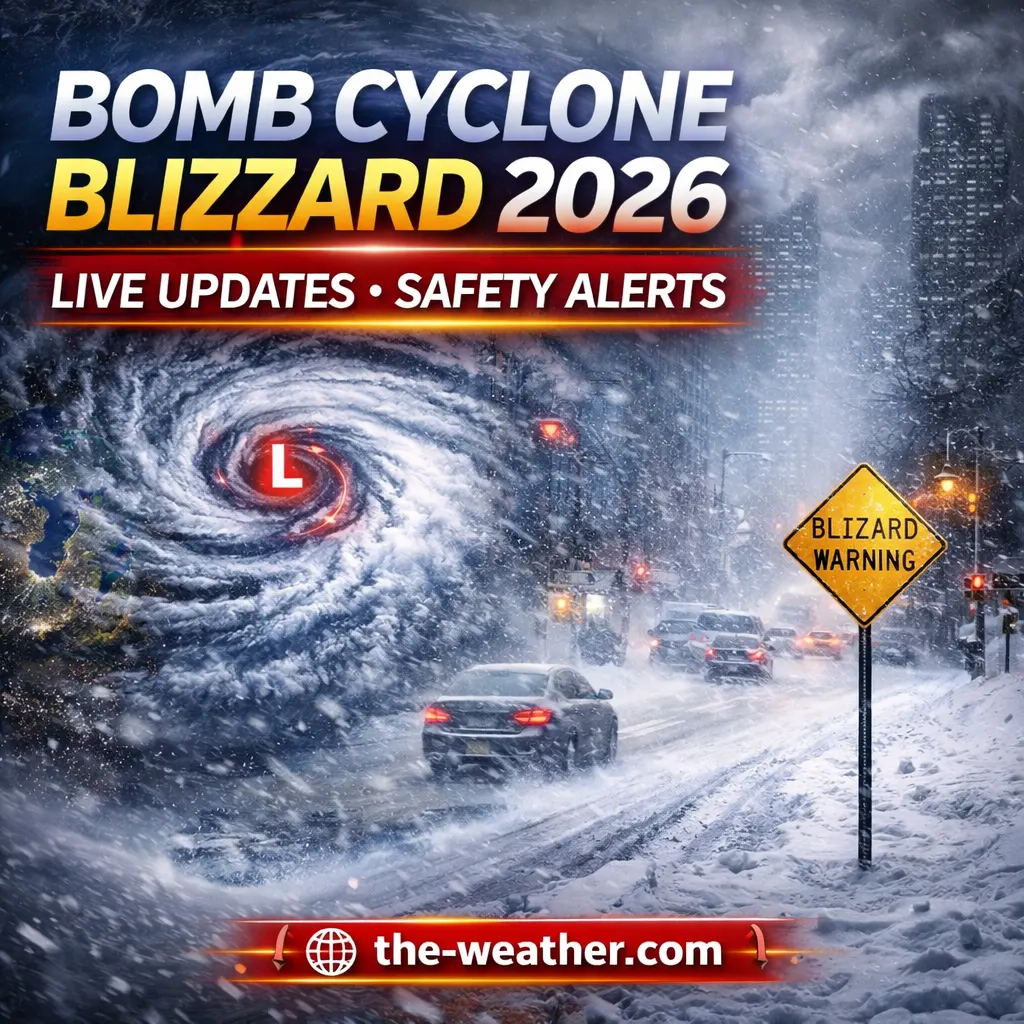
A powerful bomb cyclone is bringing extreme snow and widespread power outages to the Northeast. Get current impacts and learn how to protect your family during severe winter storms.
A cloud can weigh over a million pounds, yet it stays in the sky. So what’s inside? Learn how tiny water droplets, ice crystals, and dust remain suspended high above us.
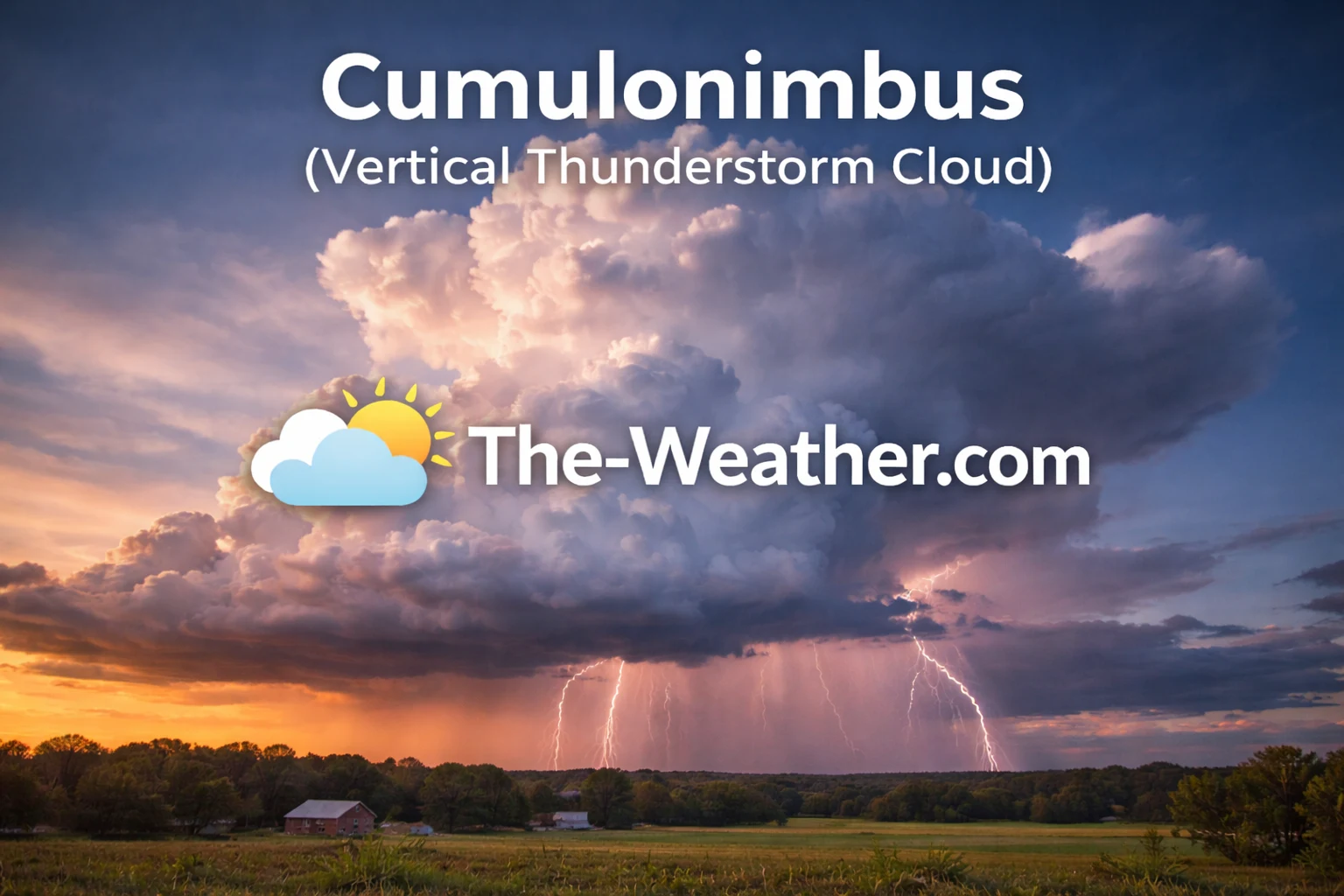
Learn to identify cumulonimbus clouds. Explore vertical development, anvil tops, and severe thunderstorm signals with photos and meteorological data.