Winter Storm Emergency Alerts: What They Actually Mean
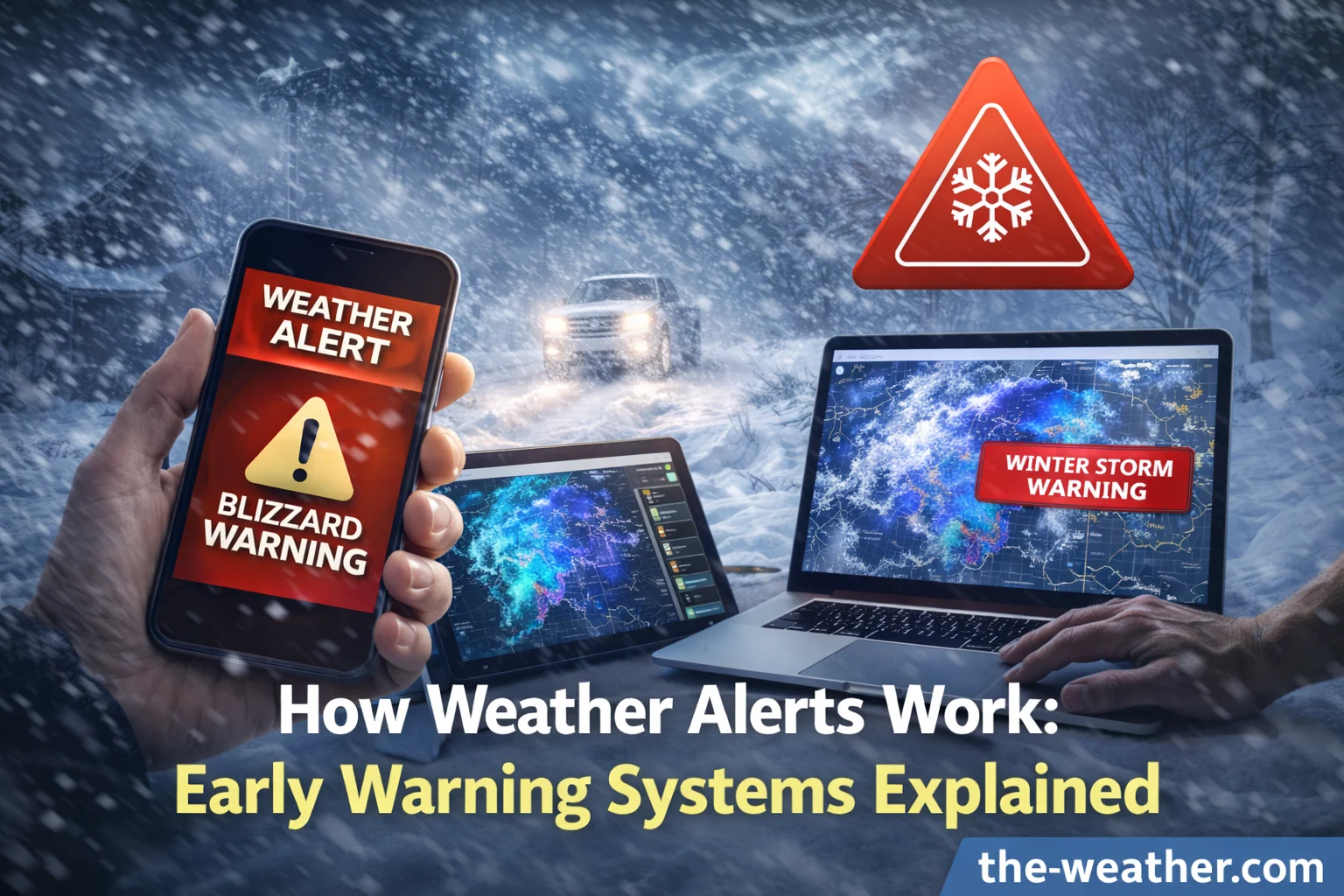
Winter alerts are designed to give decision time, not drama. Learn the difference between a Watch, a Warning, and an Advisory and why many people miss critical alerts.

99 articlesPage 7 of 10
Winter alerts are designed to give decision time, not drama. Learn the difference between a Watch, a Warning, and an Advisory and why many people miss critical alerts.
Your weather app uses distant data. Learn why your neighborhood weather often feels different and how microclimates affect what you actually experience.
Weather apps use distant data and delayed models. Learn why a backyard weather station delivers more accurate, real-time weather for your home.
Are 7-in-1 weather stations really accurate? Learn what affects accuracy, common placement mistakes, and how calibration improves real-world results.
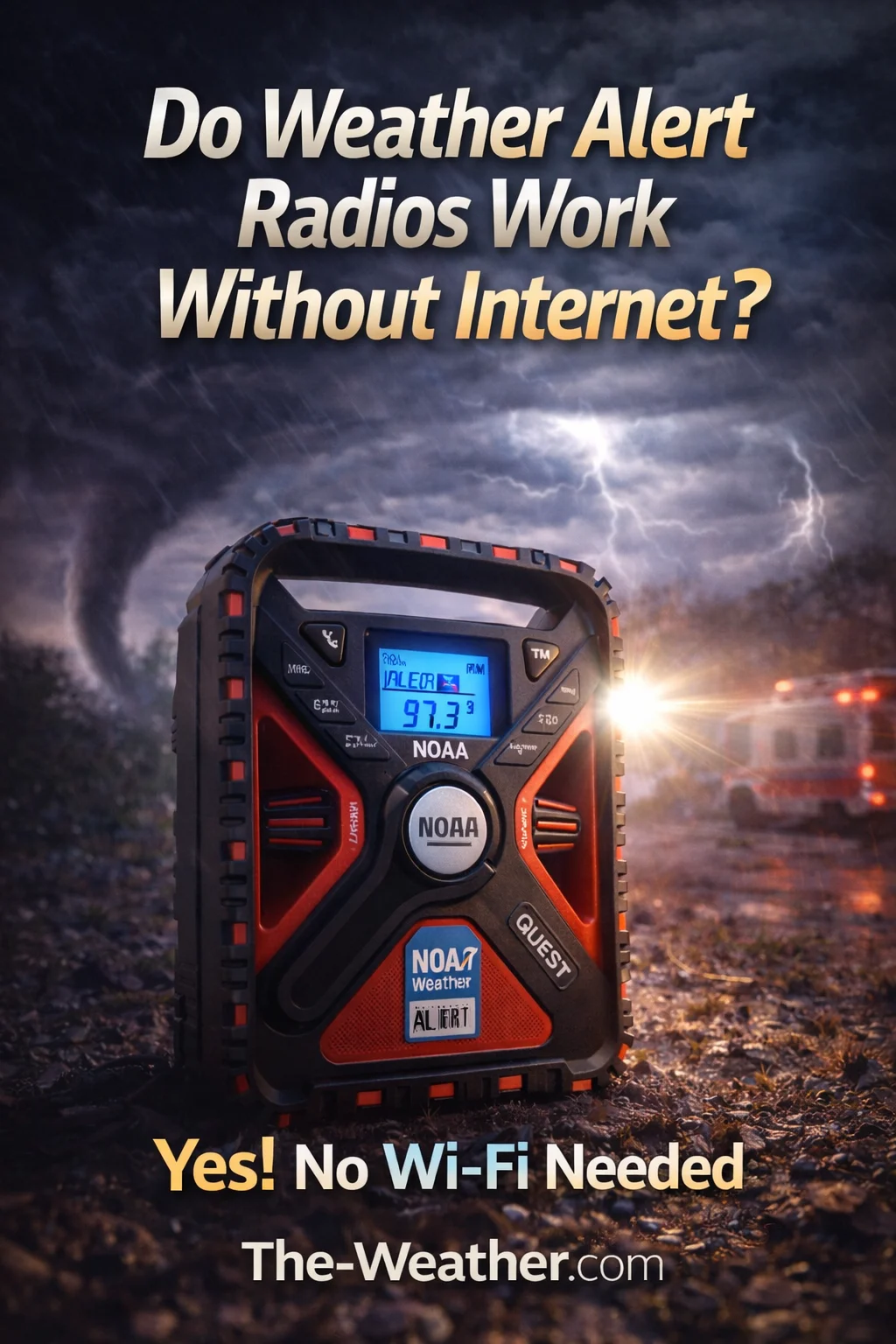
Don't get left in the dark, sugar! Lena Thornton explains why weather alert radios are the ultimate "offline" lifesaver. See how they beat smartphones when the Wi-Fi dies and the storms roll in.
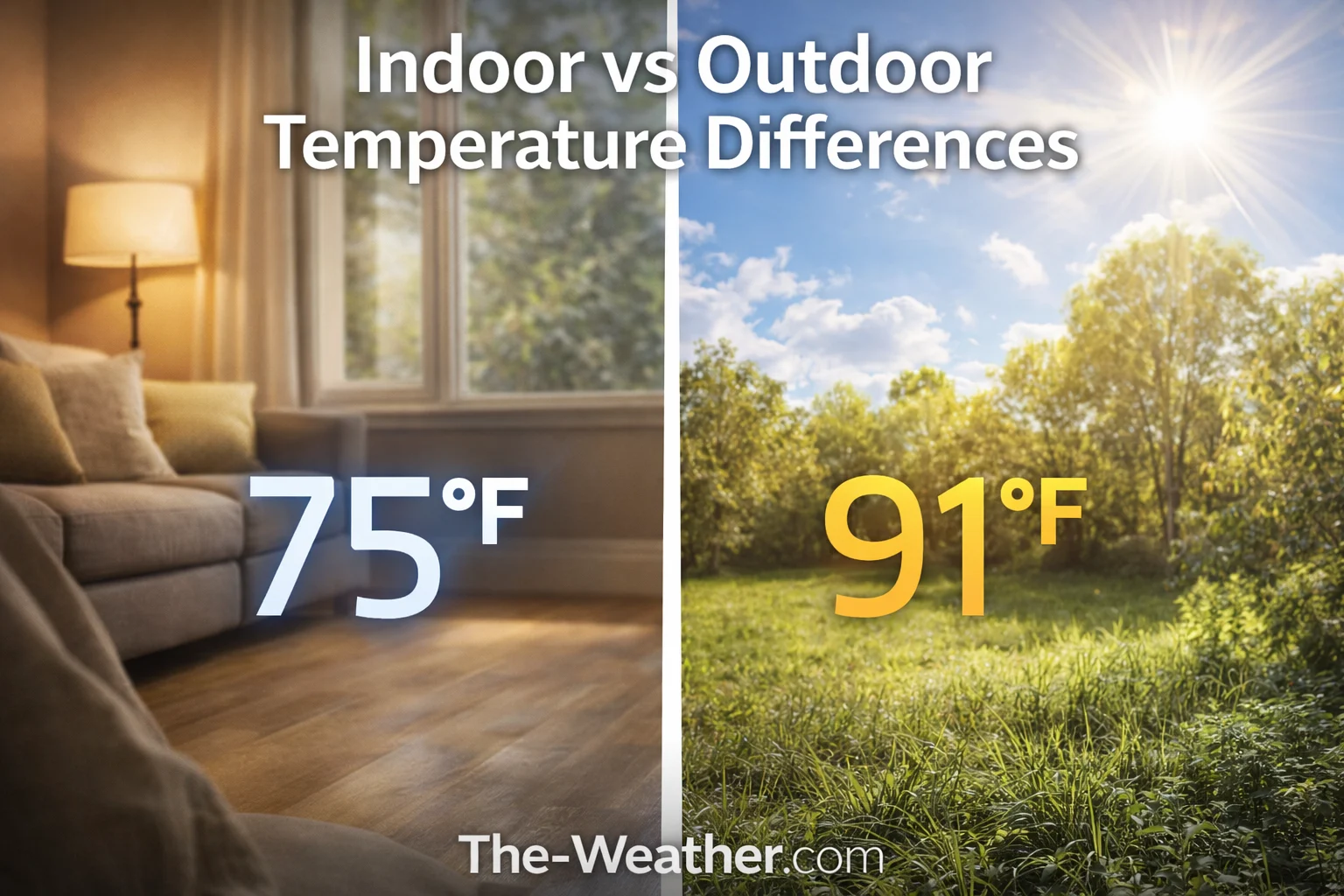
Why does your house feel hotter or colder than outside? Learn how insulation, humidity, sunlight, and microclimates create indoor vs outdoor temperature differences.
Is red sky at night really a reliable weather sign? The science of Rayleigh scattering, pressure systems, and where the saying works and where it fails.
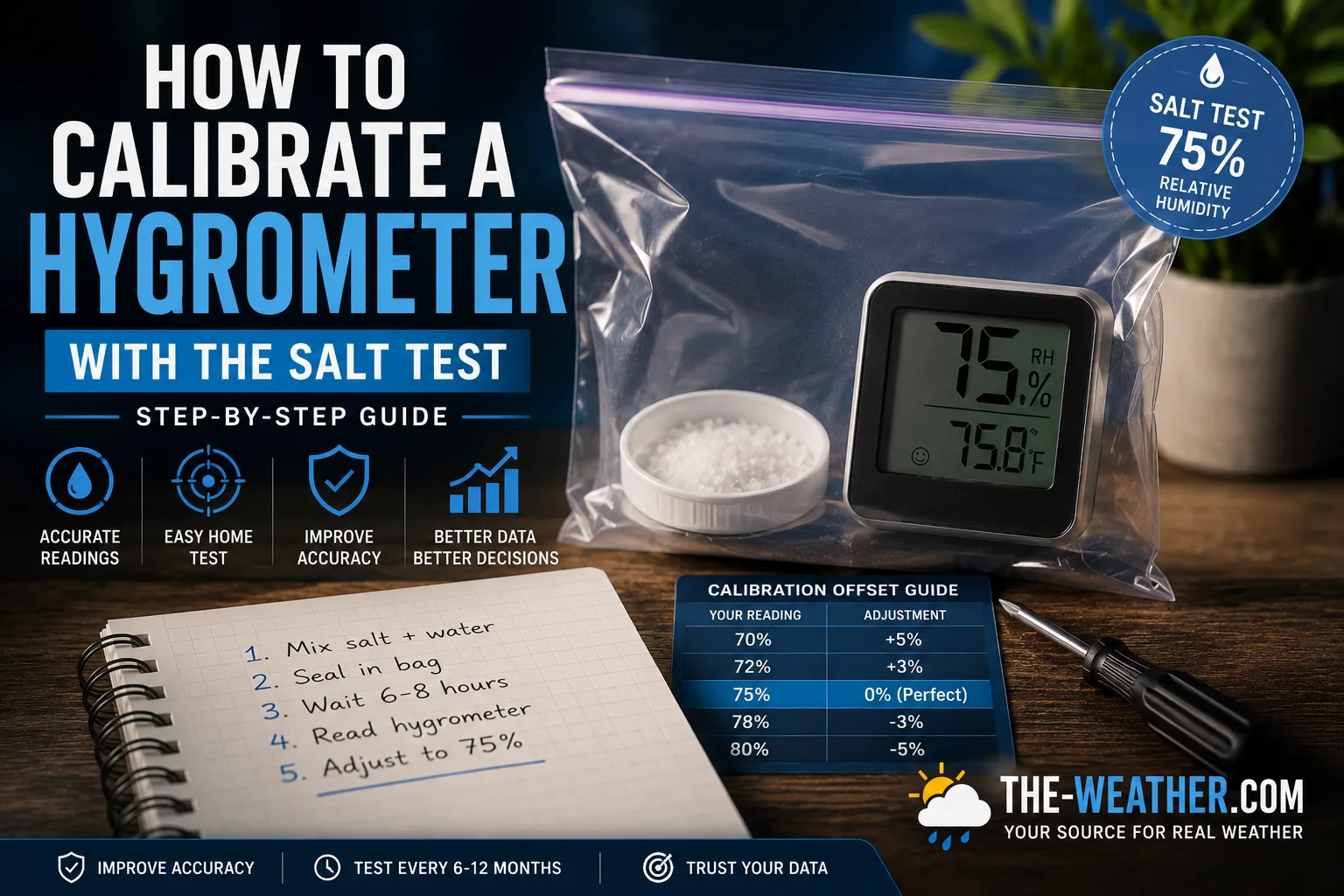
Most humidity sensors are off by 5-10%. Don't guess. Use table salt and a Ziploc bag to fix your accuracy. The exact 24-hour method. |
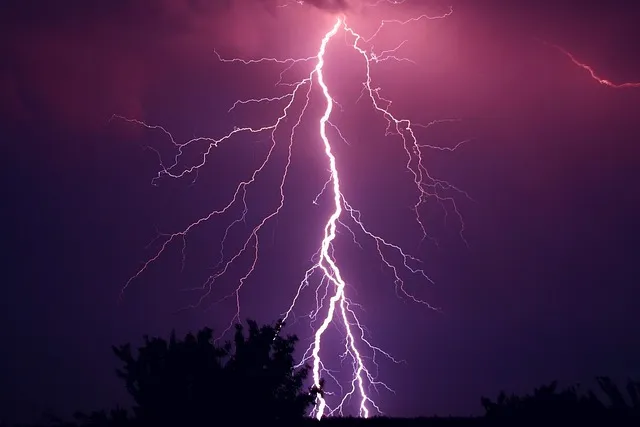
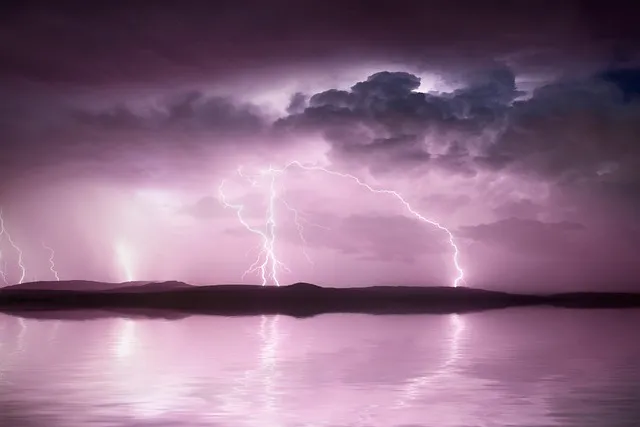
'Heat lightning' isn't a separate kind of lightning. Lena Thornton debunks this common myth, explaining the science behind silent lightning flashes and why they are a sign of a distant, powerful storm.
Lightning myths are everywhere. Lena Thornton separates fact from fiction, debunking 10 common and dangerous misconceptions about this powerful force of nature.