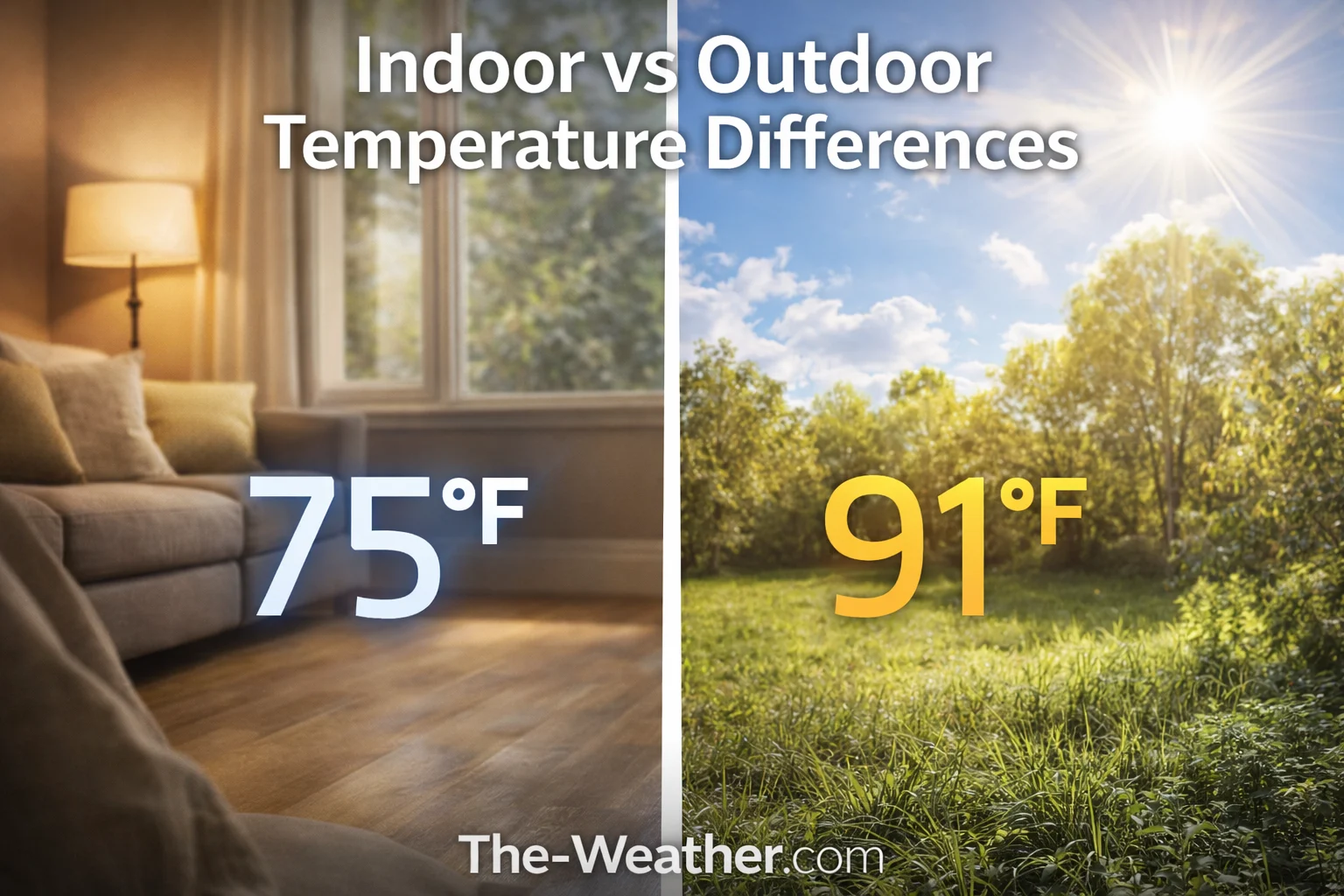
Why Your House Feels Hotter Than Outside: Indoor vs Outdoor Temperature Explained
Why does your house feel hotter or colder than outside? Learn how insulation, humidity, sunlight, and microclimates create indoor vs outdoor temperature differences.


84 articlesPage 6 of 9
Why does your house feel hotter or colder than outside? Learn how insulation, humidity, sunlight, and microclimates create indoor vs outdoor temperature differences.
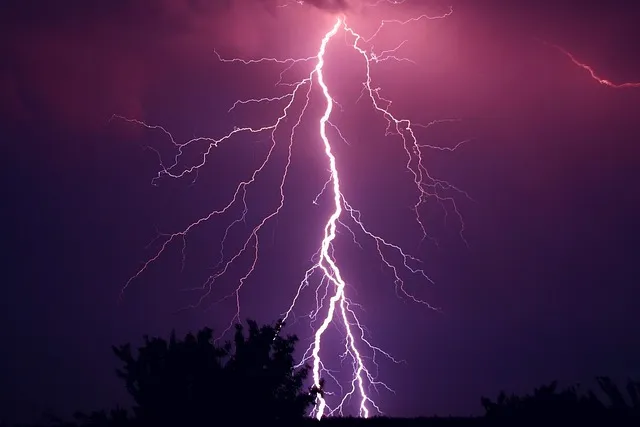
Is red sky at night really a reliable weather sign? The science of Rayleigh scattering, pressure systems, and where the saying works and where it fails.
Most humidity sensors are off by 5-10%. Don't guess. Use table salt and a Ziploc bag to fix your accuracy. The exact 24-hour method. |
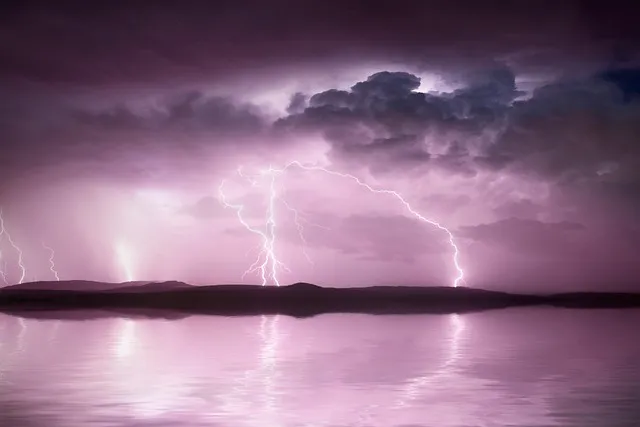
As a meteorologist, I know 'heat lightning' isn't real. Lena Thornton debunks this common myth, explaining the science behind silent lightning flashes and why they are a sign of a distant, powerful storm.
As a meteorologist, I've heard every myth about lightning. Lena Thornton separates fact from fiction, debunking 10 common and dangerous misconceptions about this powerful force of nature.
Explore what snowflakes are made of: ice crystals with a twist! Learn their shapes, colors, and why no two are alike in this frosty guide.
Unravel why thunder sounds unique every time: distance, air, and terrain shape its roar. Explore the science and hear nature’s wild tune!
Learn what causes fog from morning haze to coastal thickets and master safe driving tips. Stay visible and in control with our expert guide!
Which storm signs give hours of warning, which give minutes and which are folklore: clouds, barometer, thunder, shelf and wall clouds, based on NWS guidance.
Explosive cyclogenesis is the rapid pressure drop of 24 millibars in 24 hours that creates bomb cyclones. Learn how these storms form and what weather they bring.