As an Amazon Associate, I earn from qualifying purchases.
In this article 9 sections
- Why the Midwest Is One of the Most Dangerous Severe Weather Regions in the US
- Why a NOAA Weather Radio Beats Your Smartphone During a Midwest Storm
- When Is Midwest Severe Weather Season?
- Best NOAA Weather Radio for Midwest Storms: Every Situation Covered
- The Best Weather Radios for Midwest Severe Weather
- What Happens When a Tornado or Flash Flood Warning Is Issued
- Setting Up Your Midland Weather Radio for Midwest Alerts
- Check Active Warnings for Your County Now
- Frequently Asked Questions


Severe weather across the Midwest and Great Lakes is not a rare event. It is a seasonal reality that residents of Illinois, Indiana, Ohio, Michigan, and Wisconsin face multiple times each year. When a multi-day outbreak brings the combination of severe thunderstorms, flash flooding, damaging winds, and isolated tornadoes to a densely populated region, the question is not whether the alerts will be issued. The question is whether you will receive them in time to act.
Whether you live in a Chicago suburb, a rural Ohio farmhouse, a Wisconsin campsite, or an Indiana RV park, one piece of equipment does more to protect you during a Midwest severe weather event than anything else: a dedicated NOAA weather radio with SAME county programming. This is what it does, why it matters, and which model is right for your situation.
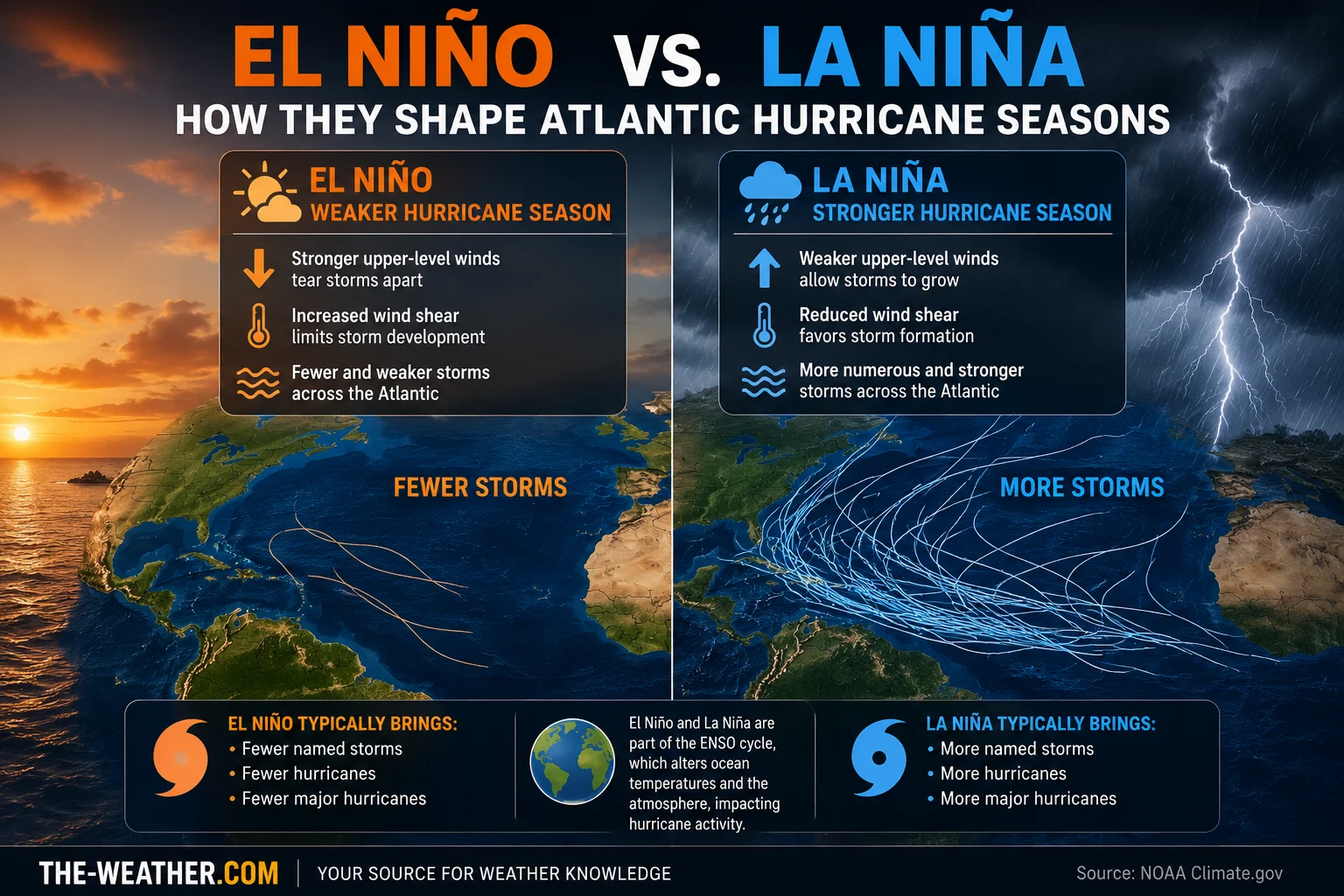
El Niño winter 2026-27: a milder winter on average does not stop ice storms or blizzards. Read El Niño in the Midwest and El Niño and western snowpack.
Why the Midwest Is One of the Most Dangerous Severe Weather Regions in the US
The Midwest sits at the intersection of warm, moist Gulf air moving north and cold, dry continental air moving south. When these air masses collide, they produce some of the most violent convective weather on Earth. The region faces a combination of severe weather threats that few other areas match.
- Overnight tornadoes. Unlike the southern Plains where most tornadoes occur in the afternoon, Midwest tornado outbreaks frequently occur at night when residents are asleep. Outdoor sirens designed for daytime use are often inaudible inside modern insulated homes. A bedroom weather radio is the only reliable overnight alert system.
- Derechos. A derecho is a widespread, long-lived wind storm with damaging gusts exceeding 58 mph across a path of at least 240 miles. Derechos are more common in the Midwest than anywhere else in the US and can knock out power to millions of homes with little warning. They move faster than tornadoes and cover vastly larger areas.
- Flash flooding. Gulf moisture events bring heavy rainfall to drainage-prone terrain across the Ohio Valley and Great Lakes. Urban areas with high impervious surface coverage flood rapidly. Rural areas near streams and rivers face rising water with minimal warning time.
- Multi-day outbreaks. Unlike coastal hurricanes that allow days of preparation, Midwest severe weather outbreaks can produce multiple rounds of storms over 48 to 72 hours, repeatedly stressing emergency infrastructure and cell networks across the same geography.
- Rural cell coverage gaps. Large portions of rural Illinois, Indiana, Ohio, and Michigan have limited or unreliable cell coverage. A NOAA weather radio operates on dedicated transmitter frequencies that reach these areas regardless of carrier coverage.
Why a NOAA Weather Radio Beats Your Smartphone During a Midwest Storm
Smartphone Wireless Emergency Alerts work well under normal conditions. During a major Midwest severe weather outbreak, conditions are not normal.
| Scenario | Smartphone alert | NOAA weather radio |
|---|---|---|
| Normal daytime conditions | Reliable | Reliable |
| Sleeping at 2am, phone on silent | Alert likely missed | 90dB siren fires automatically |
| Power outage, phone battery dead | No alert | Battery backup active |
| Cell tower congestion during outbreak | Delayed or missed | Instant broadcast |
| Rural area with weak cell coverage | No signal | NOAA transmitter coverage |
| Camping or RV with no cell service | No signal | Portable radio with battery |
| Tornado warning at 3am | Depends on phone volume setting | 90dB siren wakes household |
The NOAA Weather Radio network broadcasts on seven dedicated frequencies between 162.400 and 162.550 MHz from over 1,000 transmitters across the United States. These frequencies are completely separate from cell networks and internet infrastructure. When the power goes out, the transmitters keep broadcasting. When the cell towers are overloaded, the radio frequencies are clear.
When Is Midwest Severe Weather Season?
The Midwest does not have a single severe weather season. It has multiple distinct threat periods across most of the calendar year, each with a different primary hazard. Knowing when each threat peaks helps you ensure your equipment is ready before the risk arrives.
| Period | Primary threats | States most affected |
|---|---|---|
| March to May (Spring) | Tornadoes, severe thunderstorms, large hail, flash flooding | Illinois, Indiana, Ohio, Missouri, Iowa |
| June to July (Early summer) | Flash flooding, severe thunderstorms, isolated tornadoes | Ohio Valley, Great Lakes, Wisconsin, Michigan |
| July to August (Late summer) | Derechos, extreme heat, flash flooding from Gulf moisture events | Full Midwest corridor, Iowa through Ohio |
| September to October (Fall) | Severe thunderstorms, early winter weather mixing | Great Lakes, northern Illinois, Michigan |
| November to February (Winter) | Ice storms, blizzards, lake-effect snow, winter storm warnings | Michigan, Wisconsin, northern Indiana, Ohio |
Best NOAA Weather Radio for Midwest Storms: Every Situation Covered
The best weather radio for the Midwest depends on where you are and how you use it. Here is the recommendation for every scenario across the region.
| Situation | Recommended model | Why |
|---|---|---|
| Overnight tornado risk | Midland WR400 | 90dB siren wakes sleeping households. 4 AA battery backup keeps it running through power outages. |
| Apartment, no basement | Midland WR120B | Compact, affordable, colour LED alert indicators visible in the dark. SAME programming for city-specific alerts. |
| Family home with basement | Midland WR400 | Full feature set including AM/FM radio and USB charging. DHS recommended. One for the bedroom, one for the basement. |
| Camping in Illinois, Wisconsin, Michigan | Midland ER310 | Hand crank, solar, and 6 AA backup. NOAA alerts in areas with no cell coverage. Compact enough for any pack. |
| RV travel across the Midwest | Midland ER310 | Multiple power sources work regardless of campground hookup availability. Portable enough to move between RV and tent. |
| Farm or rural property | Midland WR400 | Rural cell coverage gaps make a dedicated radio essential. The WR400 has the longest battery backup in the Midland desktop range. |

The Best Weather Radios for Midwest Severe Weather
The WR400 is the most capable desktop weather radio Midland makes. It covers 80 or more NWS alert types, has a 90dB siren that fires automatically from standby, includes AM/FM radio for everyday use, and has a USB port for charging devices during power outages. The 4 AA battery backup keeps it operational when mains power fails. Public Alert Certified and DHS recommended. If you only buy one weather radio for a Midwest home, this is it.
Read Review Amazon As an Amazon Associate we earn from qualifying purchases at no extra cost to you.The WR120B does one job exceptionally well: reliable NOAA alert reception with SAME county filtering at the lowest price in the Midland lineup. The 90dB siren is loud enough to wake most sleepers. Colour-coded LED indicators show alert type at a glance in the dark. The alarm clock function makes it a natural bedside device. No AM/FM or USB charging, but for pure alert reliability, it delivers everything that matters.
Read Review Amazon As an Amazon Associate we earn from qualifying purchases at no extra cost to you.The ER310 is built for exactly the scenario that makes Midwest camping dangerous: a fast-moving severe weather system arriving at a campsite with no cell coverage at midnight. Five power sources including hand crank and solar mean it keeps working regardless of the situation. NOAA alert reception with automatic channel scanning. 130-lumen flashlight. USB charging for other devices. The portable weather radio standard for outdoor use across the Midwest.
Read Comparison Amazon As an Amazon Associate we earn from qualifying purchases at no extra cost to you.What Happens When a Tornado or Flash Flood Warning Is Issued
Understanding the alert chain helps you act faster when a warning is issued for your county.
- The National Weather Service detects a tornado on Doppler radar or receives a storm spotter confirmation.
- The local NWS office issues a tornado warning, targeting the specific counties in the storm's projected path.
- The warning is broadcast immediately over NOAA Weather Radio on dedicated frequencies.
- Your Midland weather radio, in standby mode, receives the SAME-coded alert, confirms it matches your county code, and fires the alert siren.
- You have the warning text read aloud and the projected path described before the tornado arrives.
- You move to shelter with the information you need: which counties are warned, the storm's location, and the projected time of arrival.
The average lead time for a tornado warning is approximately 13 minutes. A NOAA weather radio puts that alert in your bedroom the moment it is issued. A smartphone alert that arrives 3 minutes later because of network congestion at 2am costs you 3 of those 13 minutes.
Setting Up Your Midland Weather Radio for Midwest Alerts
- Install backup batteries first. AA batteries in the battery compartment ensure the radio keeps alerting if mains power fails during the storm. Use fresh alkaline or lithium cells.
- Place it in your bedroom. Not the kitchen. Not the living room. The bedroom, where you will be asleep when a night-time tornado warning is issued at 2am.
- Extend the antenna fully. A collapsed antenna reduces reception significantly. Angle it upright and position the radio near a window for best signal.
- Enter your SAME county code. Find your 6-digit FIPS code at weather.gov/nwr/counties. Enter it via the SAME programming menu. Without this step, the radio alerts for every county in the transmitter range.
- Test the alert. Press the Test button to confirm the siren fires at full volume. NOAA also broadcasts a weekly test signal, typically on Wednesday mornings.
Check Active Warnings for Your County Now
During any active severe weather outbreak, monitor the National Weather Service for current warnings in your specific county. A weather radio alerts you automatically, but you can also check manually at any time.
- Current warnings by county: weather.gov
- Flash flood warning guide: What a flash flood warning means and what to do
- Flash flood watch guide: What a flash flood watch means and how to prepare
- Tornado warning guide: What a tornado warning means and where to shelter
- SAME code lookup: weather.gov/nwr/counties
Frequently Asked Questions
Why do Midwest residents need a NOAA weather radio?
The Midwest faces overnight tornadoes, derechos, flash floods, and multi-day outbreaks that stress cell networks and knock out power. A NOAA weather radio operates on dedicated radio frequencies completely independent of cell towers, internet, and mains power, making it the most reliable alert system during exactly the conditions when other systems fail.
What is the best NOAA weather radio for Midwest storms?
For most Midwest homes, the Midland WR400 is the recommended choice. It covers 80 or more alert types, has a 90dB siren that wakes sleeping households, includes 4 AA battery backup, and supports SAME county programming. For camping and RV use, the Midland ER310 is the standard recommendation. For apartments and budget buyers, the WR120B delivers reliable alerts at the lowest price.
Do I need a weather radio if I already have weather apps on my phone?
Yes. Weather apps depend on cell networks and internet. During major Midwest outbreaks, cell towers become congested and power outages knock them offline. A NOAA weather radio receives alerts directly from NWS transmitters over dedicated radio frequencies, completely independent of any digital infrastructure. It is the backup that works when apps cannot, at 2am, during a power outage, in a rural area with weak cell coverage.
Sources
Severe weather threat information from NOAA National Weather Service. Derecho definition and frequency from NOAA Storm Prediction Center. NOAA Weather Radio network information from weather.gov/nwr. Tornado warning lead time from NWS performance statistics. No manufacturer compensation was received. As an Amazon Associate we earn from qualifying purchases.
Lena Thornton
Weather Station Analyst and CWOP Contributor. Lena has researched, reviewed and analysed weather stations and instruments for over a decade. She contributes observation data to the Citizen Weather Observer Program (CWOP) and writes exclusively for the-weather.com.