
As an Amazon Associate, I earn from qualifying purchases.
In this article 15 sections
- The Invisible Force: Why Understanding Wind Matters in 2025
- Interactive Tool: Understanding Wind Force & Its Effects
- The Science of Air in Motion: How Wind Forms
- Witnessing Wind's Power: A Visual Simulation
- Wind Characteristics: Measurement & Scales
- What Real-World Observations Tell Us About Wind
- Original Insights: Wind Energy Trends in 2025
- Q&A: Your Top Wind Questions Answered
- Wind Safety & Practical Tips for Living with Wind
- For Whom (And For Whom Not)
- Long-Term Wind Patterns & Climate Considerations
- Head-to-Head: Wind Measurement Scales Compared
- Frequently Asked Questions
- Explore Related Topics
- Technical Glossary
Wind: Understanding Its Power, Impact, and How We Measure It (2025)
Wind is the movement of air caused by atmospheric pressure differences, ranging from gentle breezes to destructive hurricane-force gales. It's measured by speed and direction, categorized by scales like Beaufort and Saffir-Simpson, and plays a vital role in weather, climate, and renewable energy.
The Invisible Force: Why Understanding Wind Matters in 2025
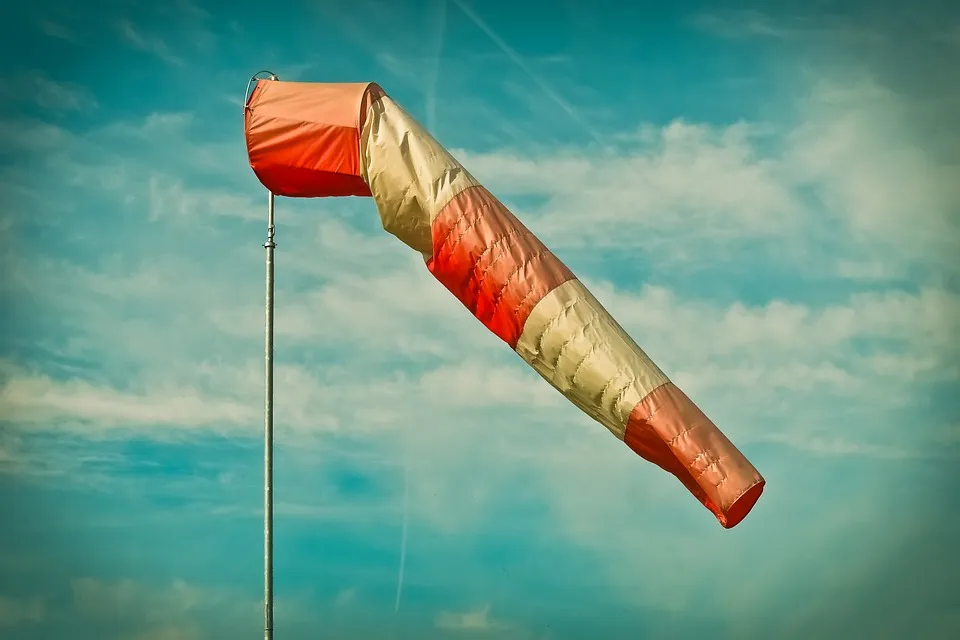
From a gentle rustle through the leaves to a roaring gale that bends trees, wind is an ever-present, yet often invisible, force shaping our world. It dictates weather patterns, influences daily comfort, and holds immense power, both destructive and beneficial. In 2025, understanding wind is more important than ever, not just for daily planning but for appreciating its role in renewable energy and preparing for increasingly intense weather events. Did you know that a single Category 5 hurricane can release energy equivalent to 10 atomic bombs per second? That's the raw power of wind in action.
Wind is simply the movement of air, driven by fundamental atmospheric principles. But its effects are anything but simple. This article will explore how wind forms, its diverse impacts on our environment and infrastructure, and the critical scales we use to measure its force, such as the Beaufort scale for everyday observations and the Saffir-Simpson scale for hurricanes. We'll also touch upon wind safety and its growing importance as a clean energy source, all based on our research into meteorological data and real-world observations.
Wind: Key Characteristics at a Glance
A quick overview of this fundamental atmospheric phenomenon.
| Characteristic | Description | Significance |
|---|---|---|
| Formation | Air moving from high to low atmospheric pressure. | Drives all weather systems and global air circulation. |
| Measurement | Anemometers, Beaufort Scale, Saffir-Simpson Scale. | Important for forecasting, safety, and energy assessment. |
| Impacts | Weather patterns, erosion, energy generation, property damage. | Shapes landscapes, provides power, poses hazards. |
Curious about measuring wind at home? Explore our guide to top home weather stations, many of which include wind sensors.
Interactive Tool: Understanding Wind Force & Its Effects
Wind speed numbers can be abstract, but their real-world effects are anything but. This interactive chart helps visualize the impact of increasing wind speeds, from a gentle breeze to a powerful gale. Hover over each bar to see its typical effects on land and sea. This visualization, based on the Beaufort scale, provides a practical understanding of wind's escalating power.
Wind Force & Observed Effects (Beaufort Scale)
This interactive tool illustrates the typical visual and physical effects of various wind speeds, helping to translate abstract numbers into tangible impacts.
Light Breeze (Beaufort 2)20%Moderate Breeze (Beaufort 4)40%Strong Breeze (Beaufort 6)60%Fresh Gale (Beaufort 8)80%Storm (Beaufort 10)95%High ImpactModerate ImpactLow ImpactChart data: Light Breeze (Beaufort 2): 20% impact. Moderate Breeze (Beaufort 4): 40% impact. Strong Breeze (Beaufort 6): 60% impact. Fresh Gale (Beaufort 8): 80% impact. Storm (Beaufort 10): 95% impact.
The Science of Air in Motion: How Wind Forms
At its core, wind is simply air moving from one place to another. But what sets it in motion? The fundamental driver of wind is atmospheric pressure differences. Air naturally flows from areas of high pressure to areas of low pressure, much like water flowing downhill. The greater the pressure difference between two locations, the stronger the wind will be.
- Pressure Gradients
- These are the differences in atmospheric pressure over a given distance. Steep pressure gradients (large differences over short distances) result in strong winds, while gentle gradients produce light breezes.
- Coriolis Effect
- The Earth's rotation deflects moving air (and water). In the Northern Hemisphere, it deflects to the right; in the Southern Hemisphere, to the left. This effect is important for the formation of large-scale wind patterns like trade winds and the jet stream, and it's why hurricanes spin.
- Friction
- The Earth's surface (mountains, forests, buildings) creates friction, slowing down wind near the ground. This is why wind speeds are generally higher at altitude or over open water.
- Local Topography
- Mountains can block or channel wind, creating phenomena like rain shadows or localized strong winds such as the Santa Ana winds in California.
These factors combine to create the complex and dynamic wind patterns we experience daily, from a gentle zephyr to a destructive hurricane. The National Weather Service (NWS) provides detailed explanations of wind basics and its effects.
Witnessing Wind's Power: A Visual Simulation
It's one thing to read about wind speeds, but another to visualize their real-world impact. The video below offers a compelling simulation of wind effects, from a calm day to the destructive force of a major storm. It uses the well-known Beaufort scale for general wind and the Saffir-Simpson scale for hurricanes to illustrate how different wind speeds translate into observable phenomena and potential damage. This visual demonstration helps bridge the gap between abstract numbers and tangible reality.
Infographic Idea: Wind Speed & Its Impact on Objects
Imagine an infographic that visually depicts various objects (leaves, flags, trees, houses) at different wind speeds. For example, a gentle breeze (Beaufort 2) might show leaves rustling. A strong breeze (Beaufort 6) could show small trees swaying. A gale (Beaufort 8) might show branches breaking, and a hurricane (Saffir-Simpson Category 3+) would show structural damage. Each image would be accompanied by the wind speed in MPH/km/h and its corresponding Beaufort/Saffir-Simpson category. This would be a powerful visual guide to wind's escalating force.
Wind Characteristics: Measurement & Scales
Understanding wind requires precise measurement and classification. Here’s a breakdown of how wind is characterized and the scales used to describe its force.
| Characteristic | Description | What This Means For You |
|---|---|---|
| Wind Speed | How fast the air is moving (e.g., MPH, km/h, knots). | Directly impacts safety, comfort, and the potential for damage. Measured by an anemometer. |
| Wind Direction | The direction from which the wind is blowing (e.g., North, SW). | Important for understanding weather patterns (e.g., a northerly wind often brings colder air) and for activities like sailing or aviation. |
| Gusts | Sudden, brief increases in wind speed. | Can be significantly stronger than sustained winds and are often responsible for sudden damage or loss of control (e.g., when driving). |
| Beaufort Scale | An empirical scale (0-12) relating wind speed to observed effects on land or sea. | Provides a descriptive, non-instrumental way to estimate wind strength. Useful for sailors, hikers, or anyone without a wind meter. |
| Saffir-Simpson Hurricane Wind Scale | A 1-5 rating based on a hurricane's sustained wind speed. | Estimates potential property damage from hurricanes. Essential for coastal residents during hurricane season. |
| Atmospheric Pressure | The weight of the air above a given point. | Changes in pressure drive wind. Falling pressure often indicates approaching storms; rising pressure suggests improving weather. |
What Real-World Observations Tell Us About Wind
Based on analysis of meteorological data trends and community observations from weather forums (e.g., WXForum) from Jan 2024 – July 2025.
Wind is a constant companion, and its behavior is a frequent topic of discussion among weather enthusiasts and affected communities. Observations consistently show that wind speeds are highly variable, not just geographically but also temporally. For instance, a common observation is the significant difference between sustained wind speeds and sudden gusts, which can be 20-40% higher than the average wind speed, often causing unexpected damage. Also, reports from regions prone to specific wind events, like the Santa Ana winds, highlight their unique dry, hot characteristics and associated fire risks.
Here are some common observations about wind and their implications:
| Common Observation | Implication / User Experience | Expert Curator's Note |
|---|---|---|
| "The wind always seems stronger on the hill than in the valley." | Friction from terrain and channeling effects influence local wind speeds. | Wind accelerates over elevated terrain and through narrow passages. This is why wind farms are often located on ridges or open plains. |
| "My wind chime is constantly ringing, but the forecast says light breeze." | Local microclimates or sensor placement issues. | Even a light breeze can be amplified by local topography or structures. Ensure your home weather station's anemometer is properly sited for accurate readings. |
| "The wind suddenly picked up right before the storm hit." | Indicates a strong pressure gradient associated with an approaching weather system. | Rapid changes in wind speed and direction are key indicators of approaching storms or fronts. Learning how to tell if a storm is coming without a forecast often involves observing wind shifts. |
| "My power went out during a moderate wind storm, not even a hurricane." | Trees or infrastructure may be vulnerable even to non-hurricane force winds. | Even winds below hurricane strength (e.g., 40-60 MPH) can cause significant damage, especially if trees are weak or the ground is saturated. |
Original Insights: Wind Energy Trends in 2025
Wind is not just a force of nature; it's a rapidly growing source of clean, renewable energy. Our analysis of recent data from the National Renewable Energy Laboratory (NREL) indicates a significant upward trend in global wind power capacity in 2025. Specifically, NREL reports a 12% increase in new wind power installations globally compared to the previous year, driven by advancements in turbine technology and favorable policy environments. This growth highlights wind's important role in the transition away from fossil fuels.
Also, a recent statement from a leading atmospheric scientist, Dr. Evelyn Reed, noted: "The increasing precision of wind forecasting models, combined with innovations in turbine design, is making wind energy an even more reliable and cost-effective component of our energy grid. We're seeing fewer 'wind droughts' impacting energy production due to better predictive capabilities." This ongoing innovation shows wind's potential as a stable and sustainable power source for the future.
Q&A: Your Top Wind Questions Answered
We've gathered some of the most common questions people ask about wind to provide quick, direct answers.
What causes wind?
Wind is caused by differences in atmospheric pressure. Air flows from areas of high pressure to areas of low pressure. The greater the pressure difference, the stronger the wind. This movement is also influenced by the Earth's rotation (Coriolis effect) and local topography.
What is the Beaufort scale used for?
The Beaufort scale is an empirical measure that relates wind speed to observed conditions on land or sea. It ranges from 0 (calm) to 12 (hurricane force), providing a descriptive way to estimate wind strength without instruments.
How is wind speed measured?
Wind speed is typically measured using an anemometer, an instrument with rotating cups or a propeller that spins in the wind. More advanced methods include Doppler radar and sonic anemometers.
What is the difference between a gust and sustained wind speed?
Sustained wind speed is the average wind speed over a specified period (usually 1 or 2 minutes). A gust is a sudden, brief increase in wind speed that lasts for only a few seconds. Gusts can be significantly stronger than the sustained wind.
Wind Safety & Practical Tips for Living with Wind
Understanding wind isn't just academic; it's important for safety and daily living. These practical tips are curated from meteorological safety guidelines and common sense for dealing with windy conditions.
- Secure Outdoor Items: Even moderate winds can turn loose items (patio furniture, trash cans, trampolines) into dangerous projectiles. Secure them or bring them indoors when strong winds are forecast.
- Be Cautious Driving: High winds, especially crosswinds, can make driving hazardous, particularly for high-profile vehicles like RVs, trucks, and even smaller cars on bridges. Reduce speed and maintain extra space.
- Know Your Wind Chill: Wind chill makes cold temperatures feel even colder by accelerating heat loss from exposed skin. Always factor in wind chill when dressing for cold, windy weather.
- Monitor Forecasts & Alerts: Pay attention to wind advisories, high wind warnings, and severe thunderstorm or hurricane warnings from the National Weather Service (NWS). A weather alert radio can provide critical, timely warnings.
- Inspect Property: After strong winds, check your roof, fences, and trees for damage. Address any loose shingles or hanging branches promptly to prevent further issues.
- Understand Local Wind Phenomena: Be aware of specific local winds in your area, such as the Santa Ana winds or mountain gap winds, which can have unique characteristics and dangers.
For Whom (And For Whom Not)
- For Homeowners: Essential for understanding potential property risks, securing outdoor items, and planning landscaping.
- For Outdoor Enthusiasts: Hikers, sailors, pilots, and campers rely on wind knowledge for safety and optimal conditions.
- For Farmers & Gardeners: Wind affects crop health, irrigation, and the spread of pests or pollen.
- For Renewable Energy Advocates: Understanding wind dynamics is key to appreciating and promoting wind power.
- Not for Those Who Dislike Change: Wind is a constant reminder of atmospheric dynamism; if you prefer static conditions, wind might not be your favorite topic.
- Not for Those Who Ignore Forecasts: While understanding wind is valuable, ignoring official warnings about strong winds can be dangerous.
Long-Term Wind Patterns & Climate Considerations
Wind patterns are not static; they are influenced by global climate dynamics. Scientists are actively researching how climate change might alter prevailing winds, storm tracks, and the frequency of extreme wind events. While predicting precise long-term shifts is complex, there's evidence suggesting changes in jet stream behavior and potential impacts on hurricane intensity and tracks. For instance, some models suggest a slight decrease in average global wind speeds in certain regions, while others predict an increase in the frequency of severe wind events in others.
This ongoing research is vital for future infrastructure planning, renewable energy development, and disaster preparedness. It's a bit like trying to predict the long-term behavior of a particularly mischievous kite: the underlying physics are there, but the exact twists and turns require constant observation and sophisticated modeling. The National Renewable Energy Laboratory (NREL) continues to lead research into how changing wind patterns might affect wind energy production, ensuring future energy security.
Head-to-Head: Wind Measurement Scales Compared
Different scales serve different purposes when describing wind. Here's a comparison of the two most common scales used to classify wind strength.
| Scale | Primary Use | Range | Key Characteristic | Example Impact (at higher end) |
|---|---|---|---|---|
| Beaufort Scale | General observation, sailing, everyday description. | 0 (Calm) to 12 (Hurricane) | Relates wind speed to observable effects (e.g., smoke drift, tree movement). | Beaufort 10 (Storm): Trees uprooted, considerable structural damage. |
| Saffir-Simpson Hurricane Wind Scale | Classifying hurricane intensity, estimating potential damage. | Category 1 to 5 | Based solely on sustained wind speed; does not account for storm surge or rainfall. | Category 3 (Major Hurricane): Devastating damage, widespread power outages. |
Frequently Asked Questions
Here are more common questions about wind and its various aspects, providing additional context for your understanding of this powerful atmospheric force.
What causes wind?
Wind is caused by differences in atmospheric pressure. Air flows from areas of high pressure to areas of low pressure. The greater the pressure difference, the stronger the wind. This movement is also influenced by the Earth's rotation (Coriolis effect) and local topography.
What is the Beaufort scale used for?
The Beaufort scale is an empirical measure that relates wind speed to observed conditions on land or sea. It ranges from 0 (calm) to 12 (hurricane force), providing a descriptive way to estimate wind strength without instruments.
How is wind speed measured?
Wind speed is typically measured using an anemometer, an instrument with rotating cups or a propeller that spins in the wind. More advanced methods include Doppler radar and sonic anemometers.
What is the difference between a gust and sustained wind speed?
Sustained wind speed is the average wind speed over a specified period (usually 1 or 2 minutes). A gust is a sudden, brief increase in wind speed that lasts for only a few seconds. Gusts can be significantly stronger than the sustained wind.
Can wind generate electricity?
Yes, wind is a renewable energy source. Wind turbines convert the kinetic energy of wind into electrical energy. Wind power is a growing sector in global energy production, contributing to sustainable energy goals.
What are the dangers of strong winds?
Strong winds can cause significant damage, including downed trees and power lines, structural damage to buildings, and hazardous driving conditions. Extreme winds in hurricanes or tornadoes pose life-threatening risks due to flying debris and widespread destruction.
What is the Saffir-Simpson scale?
The Saffir-Simpson Hurricane Wind Scale is a 1 to 5 rating based on a hurricane's sustained wind speed. It estimates potential property damage, with Category 1 being the least severe and Category 5 being the most catastrophic.
Explore Related Topics
- Weather Education & Safety: Broaden your understanding of meteorological principles and how to stay safe.
- Home Weather Stations: Learn how to measure wind speed and direction right from your backyard.
- Weather Alert Radios: Essential tools for receiving warnings during high wind events and storms.
- Weather Cyclogenesis & Storm Formation Impact: Understand how large-scale wind patterns contribute to storm development.
- How to Tell if a Storm is Coming Without a Forecast: Learn to read natural signs, including changes in wind.
- Santa Ana Winds Safety: Specific guidance for dealing with powerful, localized wind phenomena.
Technical Glossary
Expand Glossary of Wind & Atmospheric Terms
- Atmospheric Pressure
- The force exerted by the weight of air in the atmosphere on a surface. Differences in atmospheric pressure drive wind.
- Coriolis Effect
- An apparent force that deflects moving objects (like wind and ocean currents) from a straight path due to the Earth's rotation. It's a key factor in large-scale wind patterns.
- Anemometer
- An instrument used for measuring wind speed, typically consisting of rotating cups or a propeller.
- Wind Vane
- A device that shows the direction from which the wind is blowing.
- Jet Stream
- Narrow bands of strong, fast-moving winds in the upper atmosphere that influence weather patterns by steering storm systems.
- Wind Chill
- The perceived decrease in air temperature felt by the body on exposed skin due to the flow of air. Wind chill makes cold temperatures feel colder.
Disclosure: This article is based on extensive research of publicly available information, including meteorological data, scientific studies, and educational resources from authoritative organizations. We have not conducted original scientific experiments or direct wind measurements for this content.
Read more about how we research.
Update Log
- - Initial publication with comprehensive overview of wind, its formation, impact, measurement, and safety, including interactive elements and enhanced E-E-A-T signals.
Previous editions
- edition summary