Hurricane Season
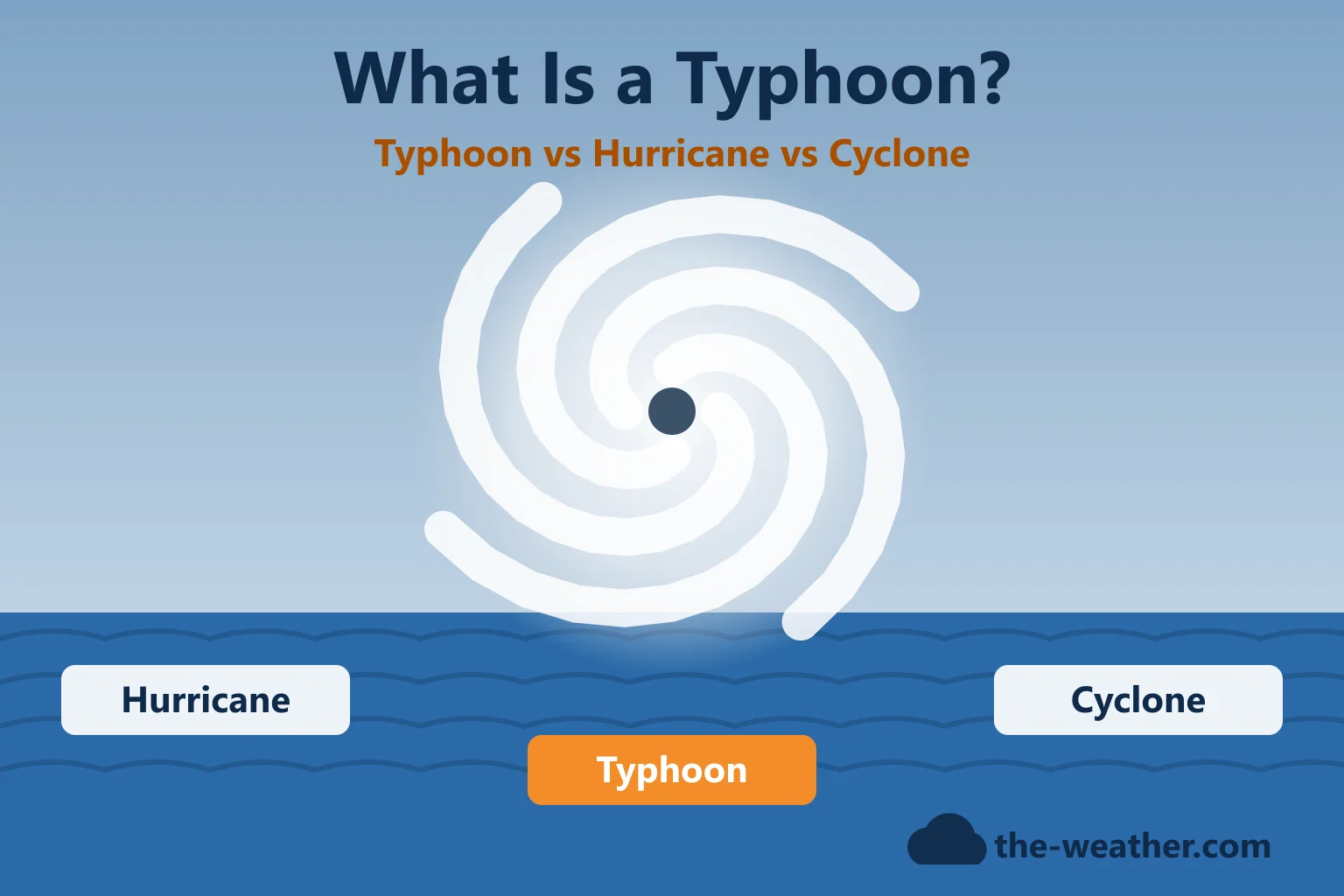
What Is a Typhoon? Typhoon vs Hurricane vs Cyclone Explained
A typhoon is a hurricane in the northwest Pacific. Learn why the same storm gets three names, how strong it has to be, who warns for it and why Guam gets typhoons.

A typhoon is a hurricane in the northwest Pacific. Learn why the same storm gets three names, how strong it has to be, who warns for it and why Guam gets typhoons.
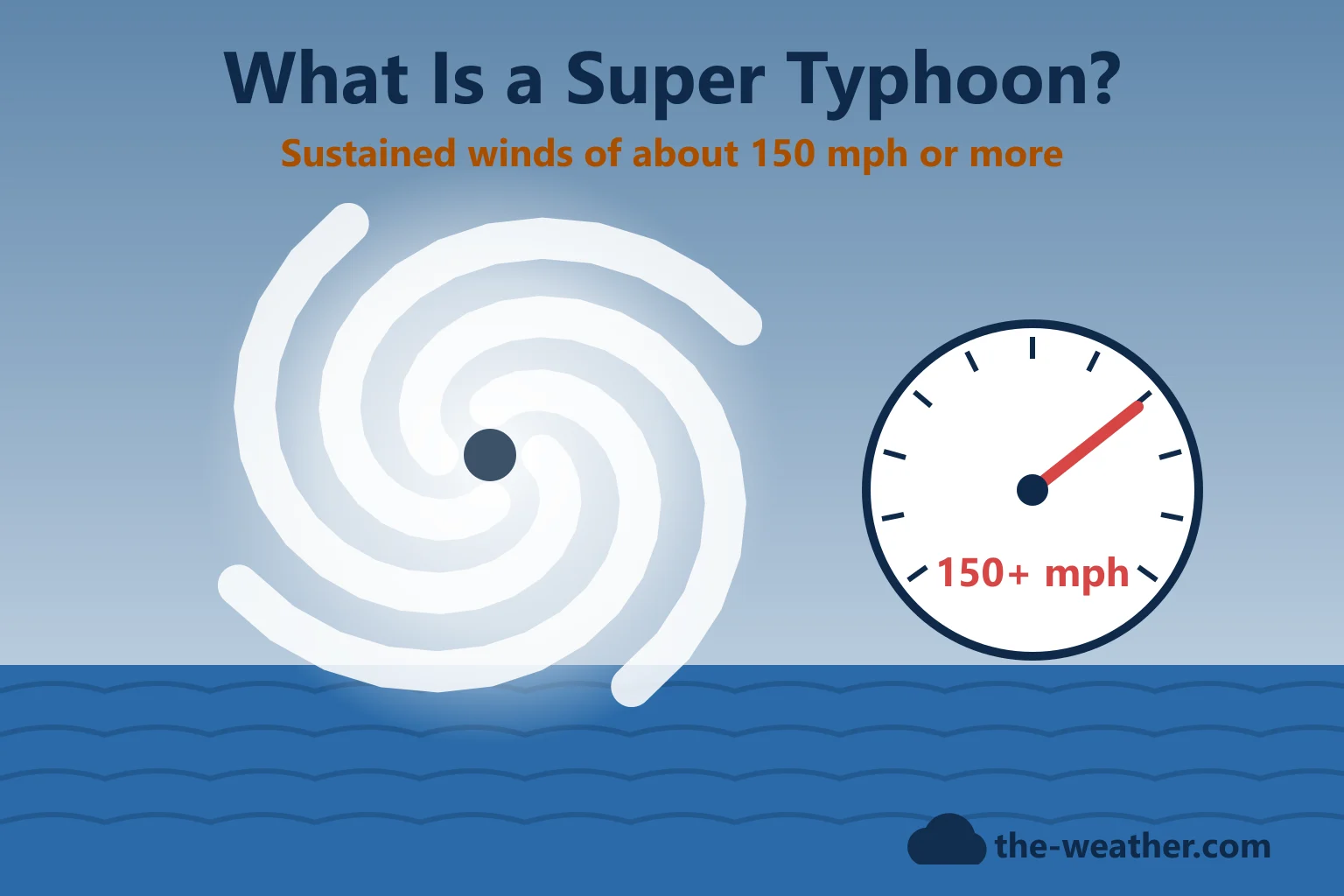
A super typhoon has winds of about 150 mph or more on the U.S. scale, or above 185 km/h in the Philippines. How it compares to Category 4 and 5, and who decides.
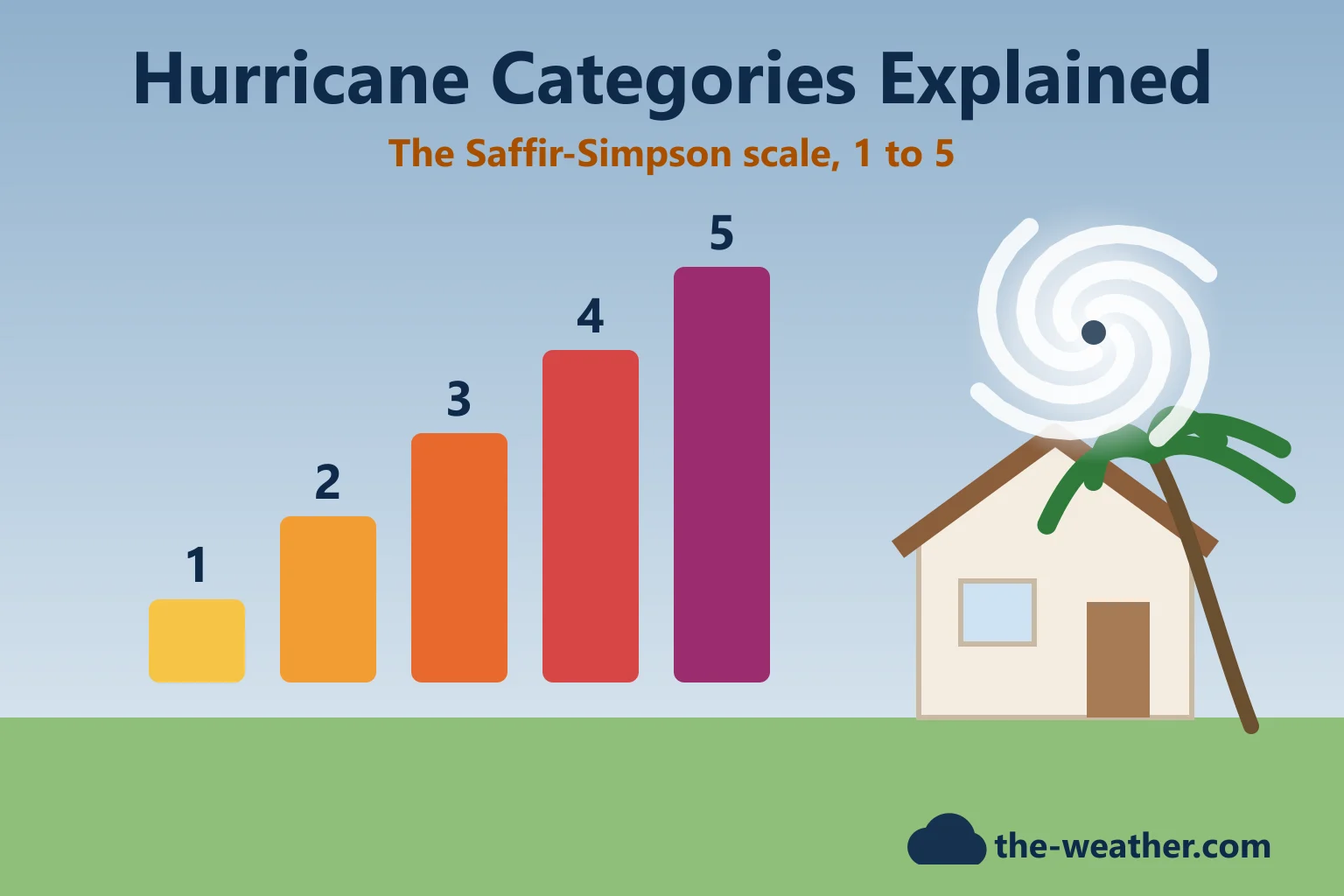
What hurricane categories 1 to 5 mean: wind speeds in mph, knots and km/h, the damage NOAA expects, what a major hurricane is, and what the scale leaves out.
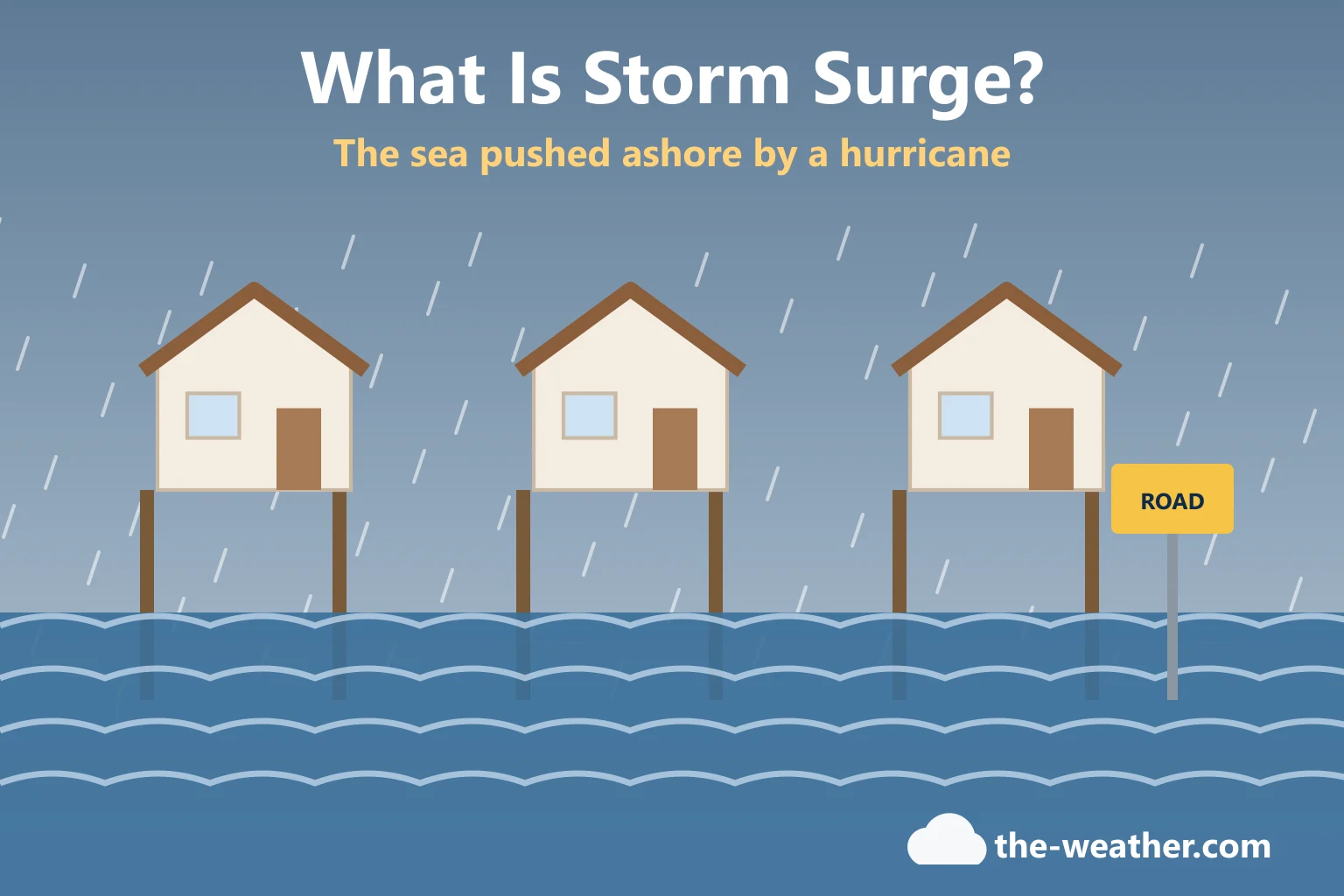
Storm surge is seawater pushed ashore by a hurricane's winds. See what it looks like, what makes it higher, how surge watches and warnings work and how to check your risk.
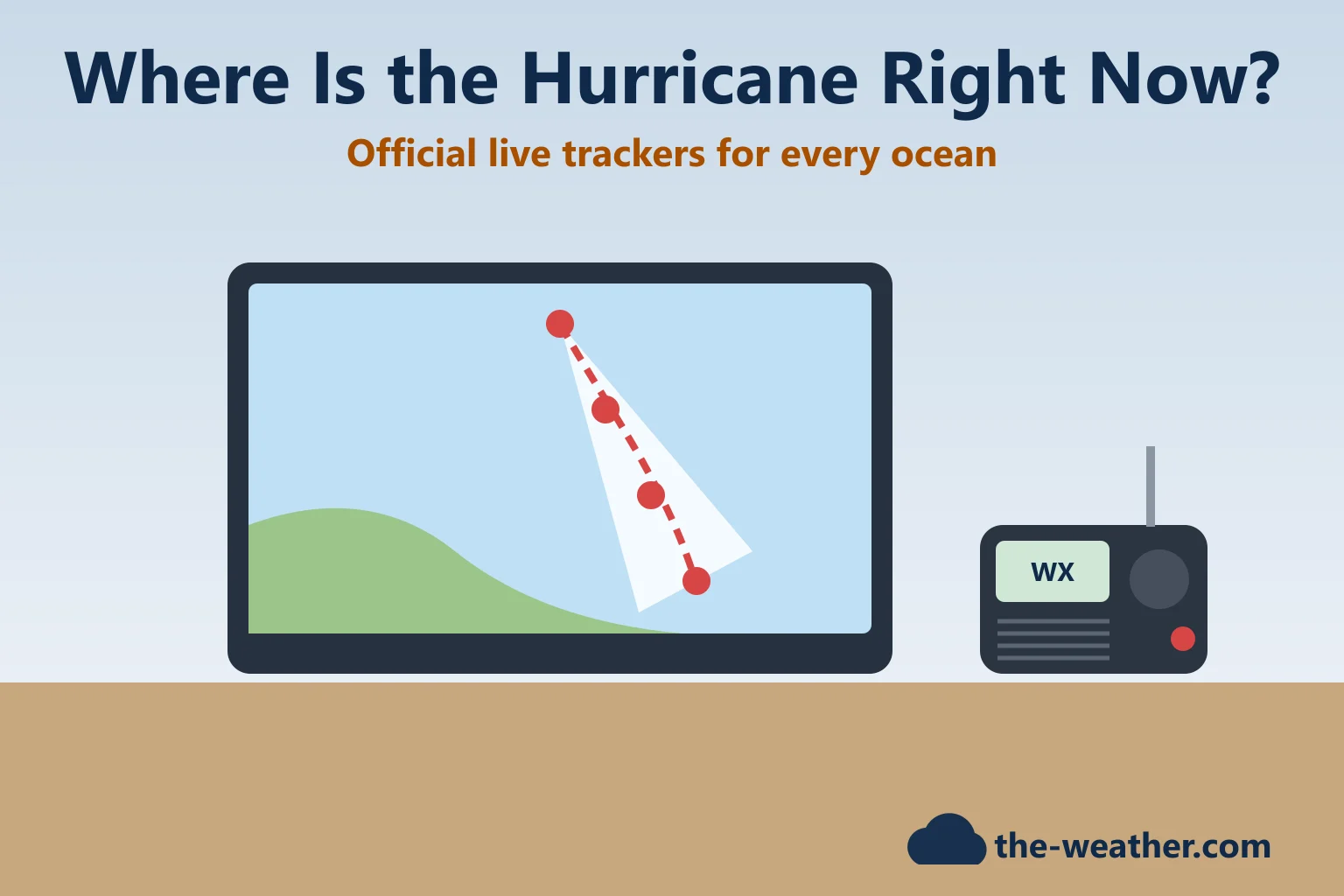
The official places to see where a hurricane or typhoon is right now and where it is headed: NHC, CPHC, JTWC and NWS Guam, how to read the cone, and alerts without power.
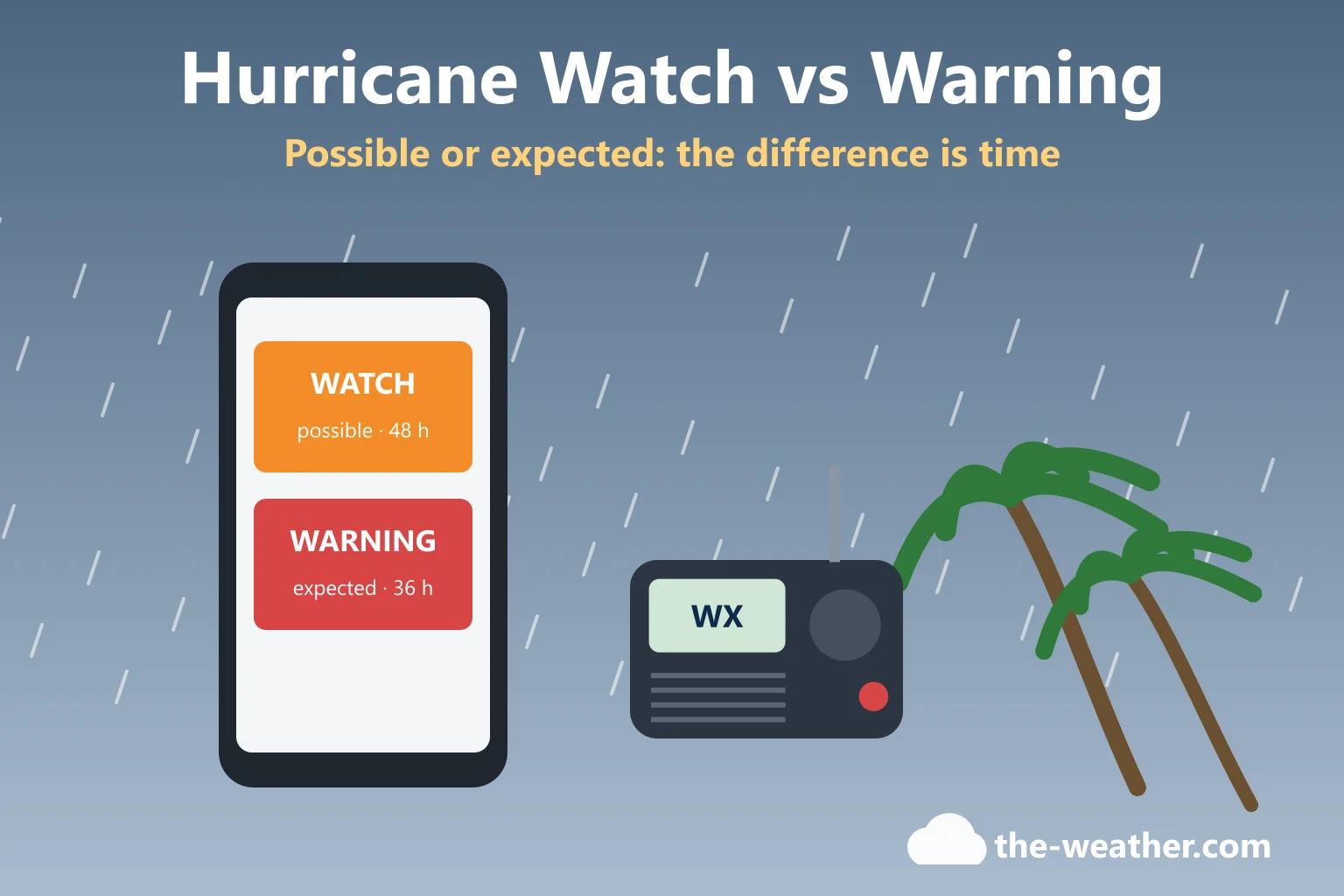
A hurricane watch means hurricane conditions are possible, a warning means they are expected. See the 48 and 36 hour timing, storm surge and extreme wind alerts, and what to do.
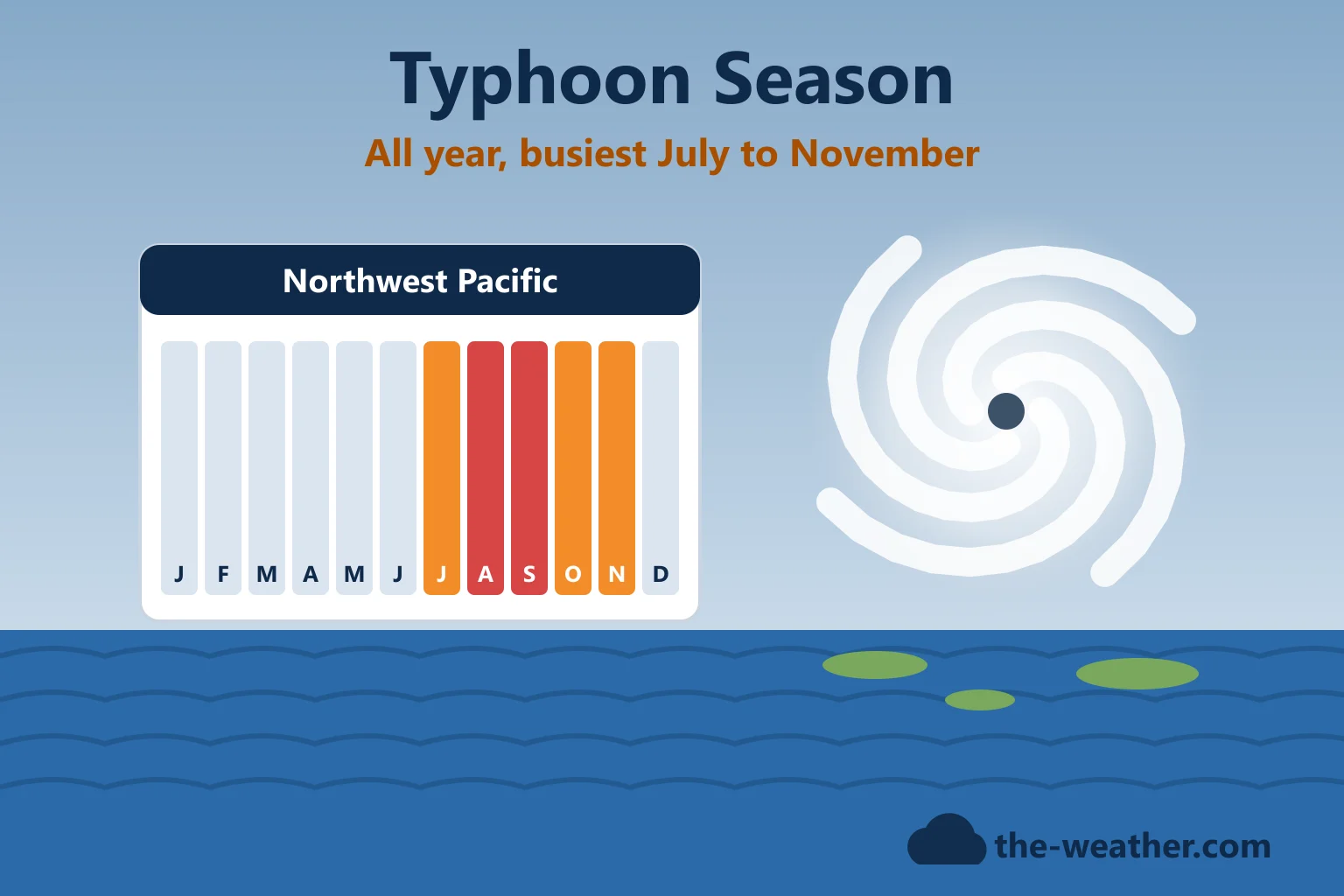
Typhoons can form all year; the main season runs July to November. The busiest months differ: July to October in the Philippines, August and September in Japan.
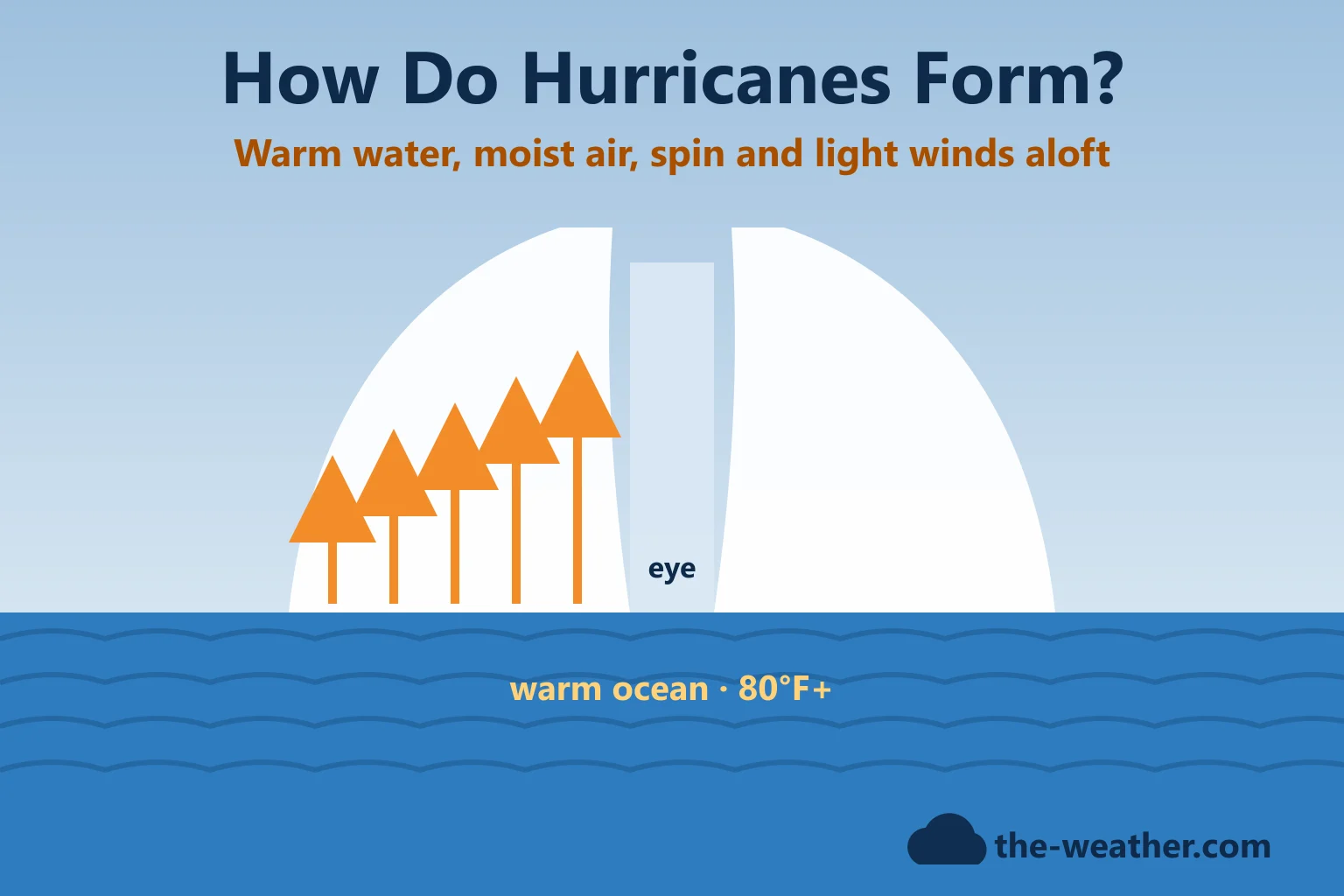
Hurricanes and typhoons form over ocean water of at least 80°F, with moist air, spin and light upper winds. See the ingredients, the eye and eyewall, and what steers them.
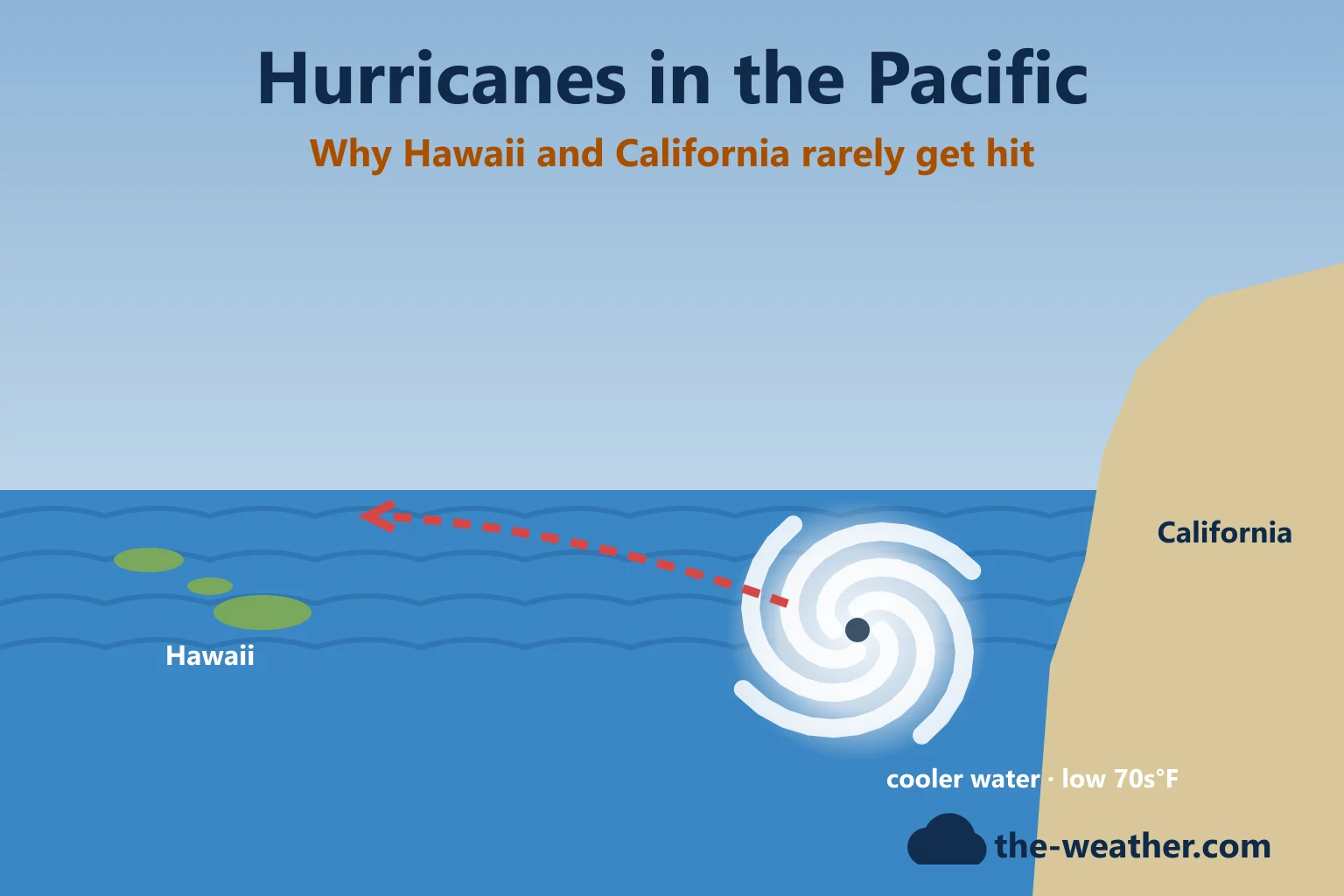
The Pacific has more hurricanes than you might think, but they rarely hit California. NOAA explains why, plus Hawaii's hurricane history, the 1858 San Diego storm and where to track them.
What a hurricane evacuation zone is, how to look up your zone with official state and county tools, why it differs from your FEMA flood zone, and how to plan before an order.