As an Amazon Associate, I earn from qualifying purchases.
In this article 9 sections
The Silent Killer: While tornadoes and hurricanes get the headlines, cold weather is statistically deadlier. A study in The Lancet analyzing 74 million deaths found that cold weather kills 20 times more people than hot weather. The danger isn't just freezing to death; it is the strain cold puts on the heart, the "brain fog" that leads to bad decisions, and the silent creep of carbon monoxide in sealed homes.
- 💔 Heart: Shoveling snow can raise heart rates to 85% max in 2 minutes.
- 🧠 Brain: Hypothermia causes confusion (The "Umbles") before you feel cold.
- 🚗 Travel: Wet roads freeze into "Black Ice" instantly when temps drop.
- 🧣 Myth: Alcohol does NOT warm you up; it accelerates heat loss.

El Niño winter 2026-27: a milder winter on average does not stop ice storms or blizzards. Read El Niño in the Midwest and El Niño and western snowpack.
The Silent Threat: Why We Underestimate Cold
There is something dramatic about a thunderstorm. The sky turns black, thunder shakes the walls, and the danger is visceral. We instinctively respect it. Cold, however, is insidious. It arrives slowly, often without a sound, and it compromises your body’s ability to function long before you realize you are in trouble.
As a weather writer, I have seen people treat winter warnings with a shrug. "It's just snow," they say. But according to data from the NC Department of Public Safety, winter storms are "deceptive killers" because most deaths are not directly caused by the storm itself, but by traffic accidents on icy roads and heart attacks caused by overexertion.
The human body is tropical by design. We function best at an internal temperature of 98.6°F. When that drops by just 3.6 degrees, mental functions begin to fail. This biological fragility makes cold weather far more dangerous than people think.
The Shoveling Heart Attack: A Physiological Storm
One of the most surprising statistics in meteorology is the spike in cardiac arrests after a heavy snowfall. It isn't a coincidence; it is biology.
When cold air hits your skin, your body enters survival mode. It triggers vasoconstriction, a process where blood vessels near the skin narrow to keep warm blood in your core. This preserves your vital organs but has a dangerous side effect: it drastically increases blood pressure.
Your heart is now pumping against higher resistance. Add to this the physical exertion of shoveling heavy, wet snow. Research shows that shoveling can raise a person's heart rate to 85% of its maximum capacity in just two minutes. For someone with undiagnosed heart disease, this is a recipe for disaster.
🚫 The "Perfect Storm" for the Heart
1. Cold Air: Constricts arteries, reducing oxygen supply.
2. Isometric Exertion: Gripping the shovel tightly spikes blood pressure further.
3. Morning Risk: Most shoveling happens in the morning when blood is prone to clotting.
If you are over 45 or inactive, hire a plow or take frequent breaks. Do not push through chest pain.
🎨 Visual Guide: The Body vs. The Cold
It helps to visualize exactly what happens when the temperature drops. This isn't just about shivering; it's about system failure.

Key Stages of Decline:
1. The Shivers: Your body's first defense to generate heat. When this stops, you are in serious trouble.
2. The "Umbles": As the brain cools, you lose motor control. Watch for Stumbles, Mumbles, Fumbles, and Grumbles.
3. Paradoxical Undressing: In the final stages, nerves fail and the brain is tricked into feeling an intense "hot flash." Victims often strip naked in the snow.
4. Terminal Burrowing: A primitive instinct where victims hide in small, enclosed spaces (like behind furniture or in snow caves) before death.
Hypothermia's Mind Tricks
The most dangerous aspect of cold is that it robs you of your judgment. Unlike a burn, where pain signals you to pull away, hypothermia makes you feel sleepy and confused. You might feel like taking a "short nap" in the snow.
The Red Cross warns that this confusion is why people often fail to rescue themselves. If you are outside with a group, use the "Buddy System" to check each other's faces for white spots (frostbite) and listen for slurred speech.
When Infrastructure Fails: The Trap
Cold weather becomes exponentially more dangerous when our modern protections fail. A winter storm doesn't just make it cold outside; it often cuts the power that keeps us warm inside.
During a winter storm emergency, roads may be impassable, meaning ambulances cannot reach you. If the power grid fails due to ice, your home can drop to freezing temperatures within hours. This is why we emphasize having backup plans that don't rely on the grid.
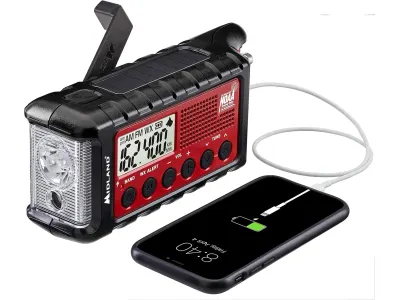
In these scenarios, communication is your lifeline. When cell towers lose power or become overloaded, a battery-powered or hand-crank radio is essential. We detail the best options in our guide to weather alert radios, which use low-frequency waves that can punch through storms better than cellular signals.
The Indoor Assassin: Carbon Monoxide
Desperation leads to dangerous decisions. When the heat goes out, people bring grills inside, use ovens for warmth, or run generators too close to windows. This releases Carbon Monoxide (CO), an odorless, colorless gas.
According to FEMA, CO poisoning spikes during winter months. The symptoms, headache, dizziness, nausea, mimic the flu, which is also common in winter. This makes it easy to ignore until it is too late. Never run a generator indoors or in a garage.
Winter vs. Summer Risks
We spend a lot of time teaching people how to prepare for thunderstorms in the summer. We teach them to dodge lightning and seek shelter from hail. But winter risks are fundamentally different because they are duration events.
A thunderstorm passes in 30 minutes. A deep freeze can last for a week. You can't just "wait it out" without supplies. You need a preparedness kit that accounts for days of isolation, not just a few hours of rain.
📚 Winter Survival Essentials
To survive the "Silent Killer," you need gear that works when the power doesn't.
Video Explanation
For a visual explanation of how cold affects the body and how to stay safe, watch this guide.
Frequently Asked Questions
Why does my nose run in the cold?
Your nose attempts to warm and humidify the cold, dry air before it reaches your lungs. This production of extra fluid leads to the "runny nose" effect. It is a sign your body is working to protect your core.
Is it true that alcohol keeps you warm?
No. Alcohol is a vasodilator, meaning it widens your blood vessels. This brings warm blood to the surface of your skin, making you feel warmer, but it actually causes you to lose core body heat much faster. It significantly increases the risk of hypothermia.
What is the 30-30-30 Rule?
In survival contexts (not lightning), it refers to the "Rule of Threes": You can survive 3 minutes without air, 3 days without water, and 3 weeks without food. But in extreme cold, you can die in 3 hours without shelter.
📝 The Cold Safety Cheat Sheet
Don't be a statistic. Remember these rules:
- ✅ Layers: Base layer (wicking), Mid layer (insulating), Shell (wind/water).
- ✅ Cotton Kills: Avoid cotton jeans and shirts; they hold moisture against the skin.
- ✅ Pace Yourself: When shoveling, take it slow to protect your heart.
- ✅ Car Kit: Keep blankets and water in your trunk, not just in the garage.
- ✅ CO Safety: Generators stay outside, 20 feet from the house.
Last Updated: