We may earn a commission when you buy through links on this page, at no extra cost to you. Learn more
In this article 9 sections
The Core Purpose: Winter alerts are designed to give decision time, not drama. A storm that looks manageable on a screen can cause multi-day power outages and impassable roads within hours. If you see a Winter Storm Warning, it means hazardous conditions are imminent or happening. Ignoring them often isn't about disbelief: it's about not understanding that these alerts are telling you to change your plans immediately.
- ⚠️ Watch vs. Warning: Watch = Prepare (possible). Warning = Act (happening).
- 🔋 Power: Outages often kill internet/WiFi, stopping app alerts.
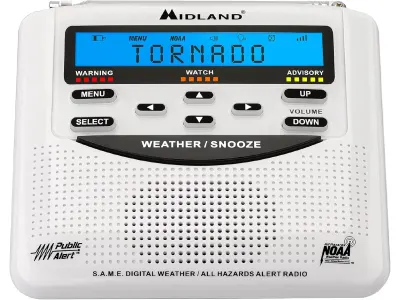
- 📻 Radio: A NOAA Weather Radio works when cell towers fail.
- 🚗 Advisory: "Minor" events (Advisories) still cause major road accidents.
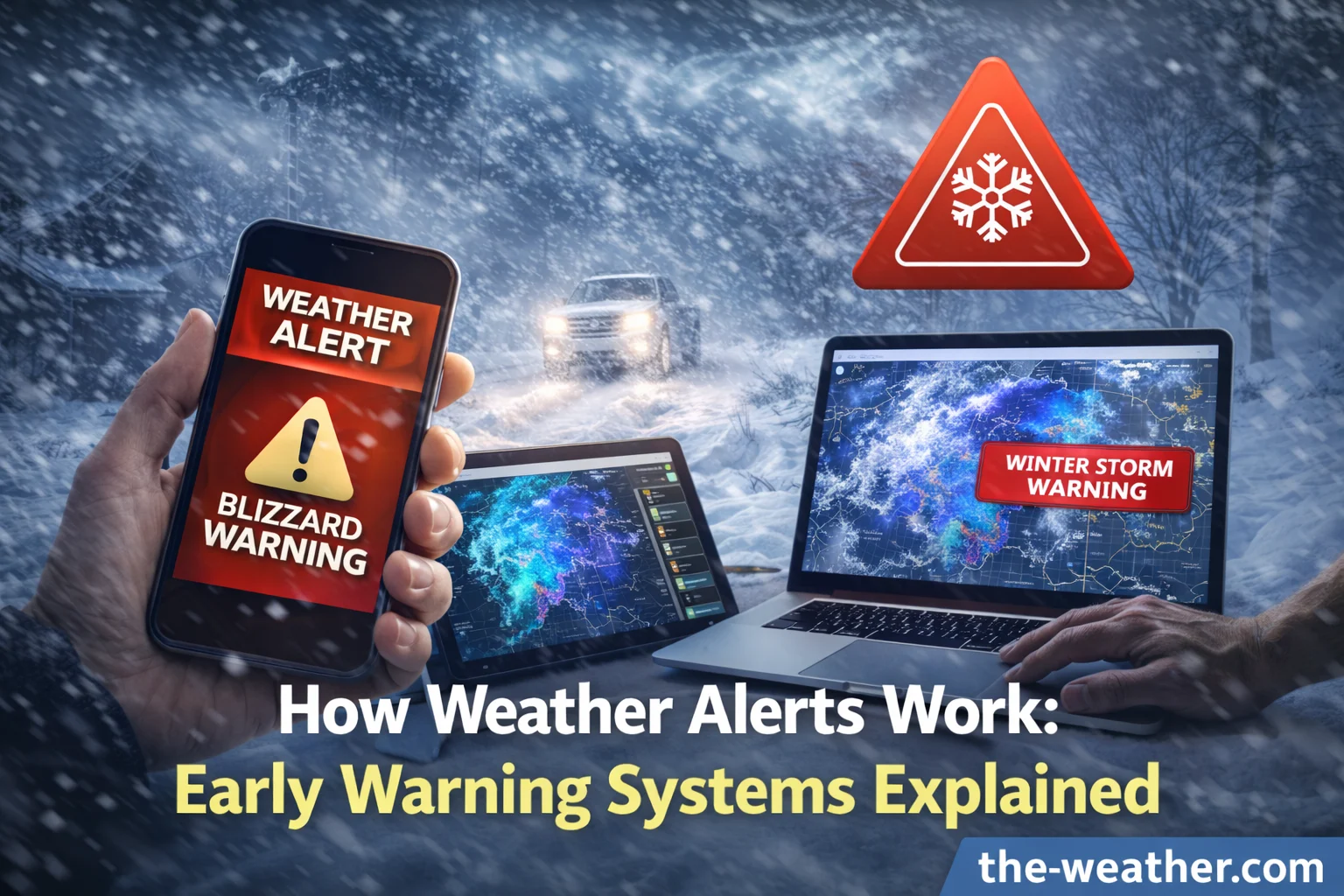
El Niño winter 2026-27: a milder winter on average does not stop ice storms or blizzards. Read El Niño in the Midwest and El Niño and western snowpack.
Why Winter Alerts Exist in the First Place
When a winter storm alert appears on your phone or radio, most people glance at it, assume it’s “just another warning,” and move on. That’s a mistake.
Cold weather is deceptive. A storm that looks manageable on a screen can cause multi-day power outages, impassable roads within hours, and dangerous wind chill in minutes. As noted by the Red Cross, these alerts are not issued to create hype; they are issued to allow you to:
- Change travel plans early.
- Protect homes and vehicles.
- Avoid being caught outside when conditions deteriorate.
Decoding the Alerts: The Severity Timeline
Ignoring alerts often isn’t about disbelief: it’s about not understanding the difference between alert types. Here is the hierarchy of urgency.
Conditions are lining up for a serious event, usually within the next 12 to 48 hours. It does not mean a storm is guaranteed, but the risk is high enough to warn you. Action: Review travel plans and check power backups.
Conditions may not meet warning thresholds but can still cause problems (e.g., light freezing rain, blowing snow). Risk: Many crashes happen here because people get complacent and don't adjust driving behavior.
Hazardous weather is expected or already underway (heavy snow, ice, strong winds). Action: Alerts are no longer advisory. Normal routines are likely unsafe. Most injuries happen at this stage.
🎨 Visual Breakdown: How Alerts Flow
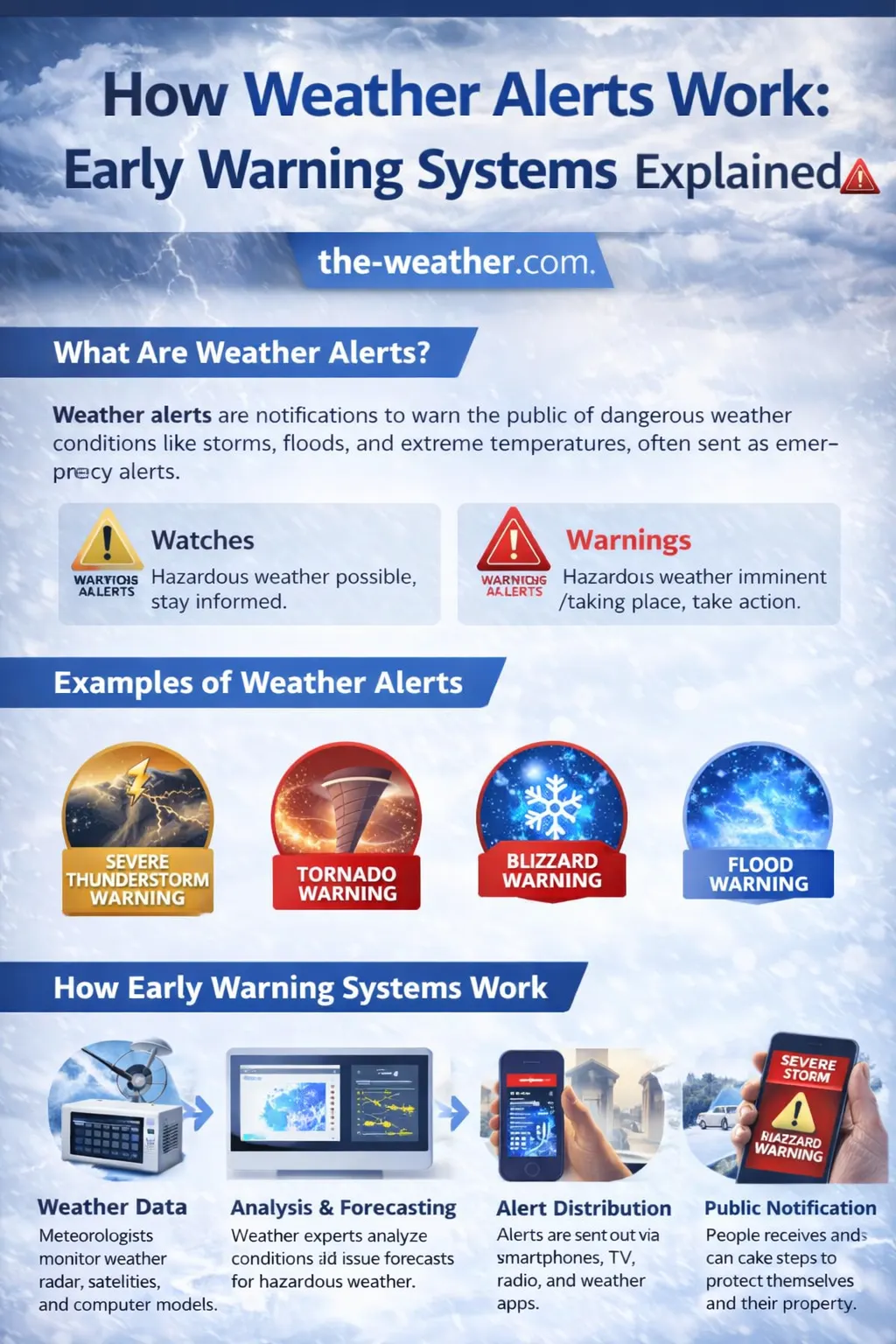
Understanding the path from "Watch" to "Warning" can save your life. This infographic breaks down the decision-making process meteorologists use.
Key Takeaways:
The "Watch" Phase: This is your window to prepare. It means the ingredients for a storm are present.
The "Warning" Phase: This means the storm is impacting your area. Travel is dangerous or impossible.
The "Advisory" Phase: Be cautious. These events cause slick roads and limited visibility, often leading to traffic accidents.
📡 How Alerts Are Issued
In the U.S., alerts come from the National Weather Service based on temperature profiles, moisture levels, and storm track confidence. They are distributed via NOAA Weather Radio, the Emergency Alert System (EAS), and Wireless Emergency Alerts (WEA) on your phone.
| Alert Method | Reliability | Why it matters |
|---|---|---|
| NOAA Weather Radio | ✅ HIGH | Works during power outages; does not need cell towers. |
| Cell Phone Apps | ⚠️ MEDIUM | Dependent on cell towers and battery life. Silenced by "Do Not Disturb." |
| TV / Internet | ❌ LOW (in crisis) | First to fail when power lines go down due to ice. |
Why People Miss Alerts
Most missed alerts happen for predictable reasons, not because the technology failed entirely. The most common points of failure include:
🚫 Common Fail Points
Silenced Phones: Many alerts occur overnight. If your phone is on "Do Not Disturb" and not configured to allow emergency alerts through, you won't wake up.
Power Outages: Ice storms often cut power lines early. Without power, your WiFi router dies. If cell towers are also overloaded or without backup power, your "smart" device becomes a brick.
This is why emergency planners recommend multiple alert methods, specifically those that don't rely on the cellular network.
Why Weather Radios Still Matter
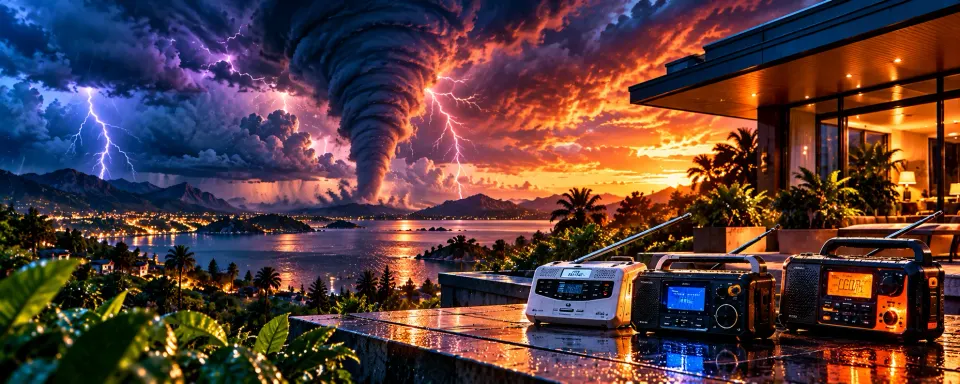
During winter storms, power and cell service are often the first things to fail. Ice brings down lines and cold drains batteries faster than expected. Detailed in our guide to weather alert radios, these devices are critical because they receive alerts directly from official sources and can wake you at night with a loud siren, even if the power is out.
Modern radios using SAME technology can be programmed to alert only for your specific county, reducing false alarms while still catching real threats.
Preparing Once an Alert Appears
When a Winter Storm Watch or Warning is issued, preparation should be practical, not dramatic. According to FEMA, you must focus on heat and power continuity. Do you have a way to stay warm if the furnace dies? Do you have water if the pipes freeze?
Start by assembling a basic emergency kit that includes food, water, and backup batteries. Don't wait until the warning is issued to shop.
📚 Winter Safety & Alert Gear
Having the right tools ensures you receive the alert and can survive the aftermath.
Video Explanation
For a deeper look at the criteria used for these alerts, watch this explainer from the National Weather Service.
Frequently Asked Questions
What does a Winter Storm Watch mean?
It means conditions are favorable for a serious winter event, usually within the next 12 to 48 hours. It is time to prepare, review travel plans, and check supplies. It does not guarantee a storm will hit.
Is an Advisory dangerous?
Yes. While "Advisory" sounds minor, it covers conditions like light freezing rain or blowing snow. These conditions often cause more traffic accidents than major blizzards because people do not adjust their driving habits. See more on general storm safety here.
Will my phone alert me at night?
Only if you have "Wireless Emergency Alerts" (WEA) enabled and your phone is not in a "Do Not Disturb" mode that blocks them. Also, if your battery dies or cell towers lose power, you will receive nothing.
📝 The Alert Cheat Sheet
Remember this simple breakdown when the notification pops up:
- ✅ Watch = Prepare: The storm is possible. Get ready.
- ✅ Warning = Act: The storm is here. Take shelter.
- ✅ Advisory = Caution: Conditions are tricky. Slow down.
- ✅ Radio: The most reliable source when power fails.
- ✅ Post-Storm: Keep monitoring for refreezing or wind chill updates.
Last Updated: