
We may earn a commission when you buy through links on this page, at no extra cost to you. Learn more
In this article 8 sections
- Quick Navigation: Essential NWR Insights
- What Are NWR Weather Stations?
- Why Are NWR Weather Stations Indispensable in Alaska?
- Key NWR Weather Stations in Alaska: Coverage Across the State
- How to Access NWR Broadcasts: Equipping for Safety
- Key Benefits of Using NWR Weather Stations in Alaska
- Your Questions Answered: NOAA Weather Radio in Alaska FAQ
- Conclusion: NWR, Your Essential Alaskan Weather Companion
NWR Weather Stations in Alaska: Your Lifeline in Extreme Conditions
Navigating the Last Frontier: Essential Real-Time Alerts and Forecasts for Unpredictable Alaskan Weather

Alaska’s unmatched vastness, remote wilderness, and notoriously extreme weather conditions make access to reliable weather information not just convenient, but absolutely essential for its residents, travelers, and outdoor enthusiasts. In 2025, the NWR (NOAA Weather Radio) All Hazards network continues to serve as a critical lifeline, with its weather stations in Alaska playing an indispensable role in delivering real-time updates, urgent alerts, and localized forecasts. This continuous broadcast ensures safety and preparedness in an environment where conditions can shift dramatically within minutes. From dense fog rolling into coastal communities to sudden blizzards sweeping across interior plains, NWR stands as an important, dependable source of information.
This comprehensive guide looks at the core of the NWR weather station network across Alaska. We’ll explore what NWR truly is, why it’s uniquely vital for the Last Frontier, provide a detailed look at key station listings, and explain how you can access these life-saving broadcasts. Understanding and using this network is fundamental for anyone living, working, or venturing into Alaska’s challenging climate, ensuring you’re always one step ahead of the weather.
Expert Insight:
In Alaska, where cellular and internet connectivity are often scarce, NWR radios provide a resilient, off-grid communication channel for critical weather and emergency alerts, making them a cornerstone of preparedness.
What Are NWR Weather Stations?
NWR, or NOAA Weather Radio All Hazards, weather stations are an integral part of a nationwide network carefully operated by the National Weather Service (NWS). This expansive network serves as a cornerstone of public safety, providing continuous, 24/7 broadcasts of comprehensive weather information and critical emergency alerts. Unlike standard radio stations, NWR is dedicated solely to serving the public interest with timely environmental intelligence. These broadcasts typically include:
- Local forecasts: These are not generalized regional predictions but are specifically tailored to hyper-local areas, offering precise details on temperature, precipitation, wind, and sky conditions relevant to your immediate vicinity.
- Emergency alerts: NWR is the primary source for immediate warnings regarding severe weather conditions such as blizzards, heavy snowfall, flash floods, high winds, ice storms, and coastal flooding. These alerts are broadcast instantly as they are issued by the NWS.
- Updates on natural disasters: Beyond meteorological events, NWR extends its scope to cover a wide array of natural disasters including earthquakes, tsunamis (particularly critical in Alaska’s seismic zones), volcanic ashfall, and wildfires, ensuring comprehensive preparedness.
- Post-event information: After a severe event, NWR often provides important recovery information, including road closures, shelter locations, and public safety announcements.
The NWR network operates on VHF frequencies (Very High Frequency) within the 162.400 MHz to 162.550 MHz range. These signals are accessible through dedicated weather radios or other compatible devices, making it a critical, non-internet-dependent resource for Alaskan communities, especially where traditional communication infrastructures may be limited or vulnerable during emergencies.
Why Are NWR Weather Stations Indispensable in Alaska?
Alaska’s unique and challenging geography, coupled with its highly dynamic climate, creates specific vulnerabilities that render NWR weather stations absolutely indispensable. Their importance is amplified by several key factors:
- Vast Remote Areas & Limited Connectivity:
- Alaska is home to countless remote villages, isolated homesteads, and expansive wilderness areas where traditional internet or mobile cellular connectivity is either non-existent or unreliable. NWR stations provide a constant, dependable, and off-grid source of real-time weather updates and emergency alerts, bridging critical communication gaps. For bush pilots, remote hunters, and isolated communities, an NWR radio is often the only reliable link to incoming weather threats.
- Extreme & Unpredictable Weather:
- The Last Frontier experiences some of the most extreme and rapidly changing weather conditions in the United States. This includes intense blizzards, powerful windstorms (like the notorious Williwaws), subzero temperatures that can quickly lead to hypothermia, heavy snowfall capable of isolating communities, and coastal storm surges. Early warnings from NWR stations are essential, allowing residents to take vital precautions, secure property, or seek shelter well in advance of these life-threatening events.
- Safety for Wilderness Travelers & Marine Users:
- Hikers venturing into national parks, backcountry skiers, commercial fishermen, subsistence hunters, and recreational boaters exploring Alaska’s immense wilderness and coastal waters rely heavily on NWR broadcasts. These real-time weather conditions and alerts are critical for safe navigation, identifying safe harbors, and avoiding dangerous conditions such as sudden squalls, rapid temperature drops, or deteriorating ice conditions. A small, portable NWR radio is standard emergency gear for many Alaskan adventurers.
- Comprehensive All-Hazards Disaster Preparedness:
- NWR’s “All Hazards” designation is particularly relevant in Alaska. Beyond weather, NWR stations issue important alerts for a wide range of natural disasters common to Alaska’s seismically active zones, such as earthquakes, potential tsunamis affecting coastal areas, volcanic ashfall from the Aleutian Arc, and widespread wildfires during dry seasons. These alerts, delivered directly and without reliance on fragile infrastructure, enable communities to respond effectively to unexpected, diverse threats.
In essence, NWR acts as a vital safety net, ensuring that even in the most challenging and isolated corners of Alaska, individuals and communities remain connected to critical life-saving information.
Key NWR Weather Stations in Alaska: Coverage Across the State
The NWR weather station network in Alaska is strategically deployed to provide essential coverage across its vast and diverse landscapes, reaching major population centers, remote towns, and critical coastal and marine areas. These stations are continuously broadcasting, acting as local weather anchors.
| Station Name | Frequency (MHz) | Location | Coverage Area |
|---|---|---|---|
| Anchorage | 162.400 | Anchorage | Southcentral Alaska, including Mat-Su Valley and surrounding coastal regions. |
| Fairbanks | 162.550 | Fairbanks | Interior Alaska, central Yukon-Kuskokwim Delta, and surrounding areas. |
| Juneau | 162.475 | Juneau | Southeast Alaska, including surrounding islands, fjords, and marine channels. |
| Nome | 162.500 | Nome | Western Alaska, Seward Peninsula, and Bering Sea coastal regions. |
| Kodiak | 162.400 | Kodiak Island | Coastal and marine areas around Kodiak Island, Gulf of Alaska. |
| Bethel | 162.425 | Bethel | Southwest Alaska, Yukon-Kuskokwim Delta region. |
| Valdez | 162.525 | Valdez | Prince William Sound and surrounding areas. |
| Utqiagvik (Barrow) | 162.550 | Utqiagvik | North Slope, Arctic coastal areas. |
| Sitka | 162.450 | Sitka | Southeast Alaska, outer coast and islands. |
| Cold Bay | 162.550 | Cold Bay | Aleutian Islands, Alaska Peninsula, Eastern Bering Sea. |
This table represents a selection of key NWR stations. For a comprehensive and up-to-date list of all NWR stations in Alaska, including their exact frequencies, service areas, and any temporary outages, it is always best to visit the official NOAA website or refer to the NWR Alaska Listings provided by the National Weather Service.
How to Access NWR Broadcasts: Equipping for Safety
To effectively tune into NWR weather stations and benefit from their important broadcasts, you’ll need a weather radio or a compatible device. This specialized equipment is designed to receive the VHF signals that NWR transmits. Here’s a detailed guide on how you can access these essential broadcasts and integrate them into your personal safety plan:
- Choose the Right Device:
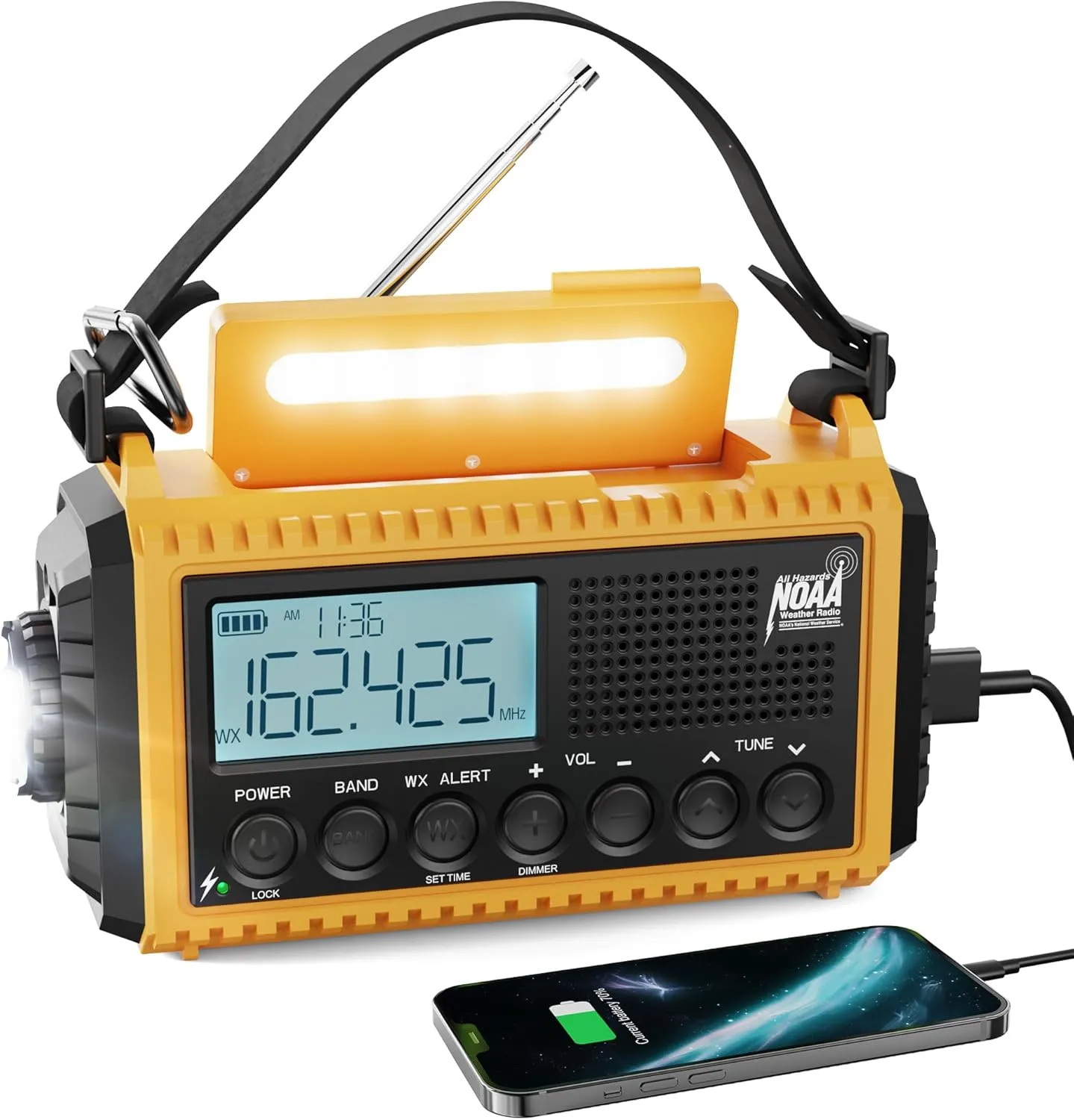
- NOAA-Certified Weather Radio: This is your best and most reliable option. Look for models with SAME (Specific Area Message Encoding) technology. SAME allows you to program your radio to receive alerts only for specific counties or regions, preventing unnecessary alerts from distant areas. This is particularly useful in large states like Alaska where weather systems can be highly localized.
- Portability: For Alaskans, consider rugged, portable models that are battery-powered (with crank or solar backup options) for use during outdoor activities, camping, boating, or as part of your emergency kit. These often feature durable casings and are designed to withstand harsh conditions.
- Alert Features: Ensure your chosen radio has a loud alarm function and ideally a flashing light to alert you to warnings, even if you’re asleep or not actively listening to the broadcast.
- Set the Frequency:
- Each NWR station broadcasts on one of seven VHF frequencies (162.400, 162.425, 162.450, 162.475, 162.500, 162.525, and 162.550 MHz). You’ll need to find the nearest NWR station frequency specific to your location. Most modern weather radios can scan for the strongest signal or allow you to manually input the frequency. Refer to the table above or the official NOAA website for Alaska listings.
- Stay Tuned & Prepared:
- Keep your weather radio powered on (preferably connected to AC power with battery backup) and set to alert mode. Many radios have a silent “standby” mode that will automatically activate the alarm and broadcast when a warning is issued. Regularly check your radio’s battery levels and test its alert function to ensure it’s always ready. Integrate listening to NWR into your family’s emergency plan.
Explore Our Recommended Weather Radios: To find a reliable, NOAA-certified weather radio that fits your needs for Alaskan conditions, check out our comprehensive guide to the Top Weather Alert Radios to stay prepared for any situation.
Key Benefits of Using NWR Weather Stations in Alaska
The strategic importance of NWR weather stations in Alaska cannot be overstated. They offer a unique suite of benefits that make them an indispensable tool for residents, outdoor enthusiasts, and emergency services alike:
- Uninterrupted 24/7 Coverage: Unlike internet or cellular services that can be prone to outages, NWR broadcasts are designed to be continuous. This ensures you receive vital updates even in the most remote areas of Alaska, where traditional communication is often unreliable or non-existent, and during extreme weather events when other services might fail.
- Life-Saving Emergency Preparedness: NWR is the primary source for immediate, official alerts during severe weather and other natural disasters. Receiving these life-saving warnings for blizzards, floods, tsunamis, volcanic eruptions, or wildfires seconds or minutes before they strike can make all the difference in implementing your safety plan and protecting lives and property.
- Hyper-Localized Information: Broadcasts are tailored to specific regions, providing localized weather details that are far more relevant than broad regional forecasts. This granular information helps you make precise decisions for your immediate area, whether you’re navigating a specific marine channel or assessing conditions for a backcountry trip.
- No Internet or Cellular Required: NWR radios operate independently of internet or cellular networks. This makes them incredibly resilient during widespread power outages or infrastructure damage, ensuring a dependable communication channel when other systems are down.
- “All Hazards” Comprehensive Alerts: Beyond just weather, NWR delivers warnings for a wide range of non-weather emergencies, including Amber Alerts, civil emergencies, chemical spills, and national alerts. This makes your NWR radio a truly all-encompassing emergency communication device.
- Low-Cost, High-Impact Safety: A NOAA-certified weather radio is a relatively inexpensive investment that provides immense value in terms of safety and peace of mind, especially when considering the potentially devastating impacts of Alaska’s extreme conditions.
Equipping yourself with an NWR weather radio is a proactive step towards ensuring your safety and preparedness in Alaska’s dynamic environment.
Your Questions Answered: NOAA Weather Radio in Alaska FAQ
Still have questions about NOAA Weather Radio in Alaska? Here are some common inquiries and their answers.
What is NOAA Weather Radio All Hazards (NWR)?
NWR (NOAA Weather Radio All Hazards) is a nationwide network of radio stations broadcasting continuous weather information directly from the nearest National Weather Service (NWS) office. It also transmits alerts for various non-weather emergencies, making it an “all hazards” system.
Why is NWR especially important in remote areas like Alaska?
In Alaska, many remote areas lack reliable internet or cellular service. NWR broadcasts on VHF frequencies, making it accessible through dedicated weather radios without relying on vulnerable infrastructure like cell towers or internet cables. This ensures important, real-time alerts reach isolated communities and individuals.
Do I need a special radio to receive NWR broadcasts?
Yes, you need a dedicated NOAA Weather Radio or a multi-band radio that can receive VHF signals in the 162.400 MHz to 162.550 MHz range. Standard AM/FM radios cannot receive these frequencies. Look for radios with “NOAA Certified” and “SAME” (Specific Area Message Encoding) features for optimal safety.
What does SAME technology do on an NWR radio?
SAME (Specific Area Message Encoding) technology allows you to program your weather radio to receive alerts only for specific geographic areas (counties or regions) that you select. This prevents the radio from alarming for warnings that are not relevant to your immediate location, reducing unnecessary disruptions.
How often are NWR broadcasts updated?
NWR broadcasts are continuous and are updated as conditions change. Routine weather forecasts are typically updated every few hours, but during severe weather or emergencies, alerts and information are broadcast instantly and continuously as they are issued by the National Weather Service, ensuring the most current information is always available.
Can NWR radios alert me to non-weather emergencies?
Yes, NWR is an “All Hazards” system. In addition to severe weather, it broadcasts alerts for various non-weather emergencies including Amber Alerts, civil emergencies, hazardous material spills, 911 telephone outages, and national public safety messages, making it a comprehensive emergency communication tool.
What kind of batteries do NWR radios use, and how long do they last?
Most NWR radios operate on standard AA or AAA batteries for backup power, in addition to AC power. Battery life varies significantly by model and usage (e.g., alert mode vs. continuous listening), but many can last several days to weeks in standby/alert mode. Always use fresh alkaline or lithium batteries and keep spares as part of your emergency kit.
Is NWR affected by power outages or internet disruptions?
NWR is designed to be highly resilient. The NWS broadcast transmitters typically have backup power systems, and NWR radios themselves are battery-powered, meaning the system continues to function even during widespread power outages or internet disruptions, making it an extremely reliable emergency communication method.
Can I listen to NWR broadcasts online?
Yes, many NWR broadcasts are streamed online via websites like Weather.gov or third-party apps and streaming services. However, relying solely on online streams defeats the purpose of NWR’s off-grid reliability during emergencies, as internet access may not be available. An actual physical radio is recommended for true preparedness.
Where can I find the frequency for my specific location in Alaska?
You can find the frequency for your specific location in Alaska by referring to the table in this guide. For the most complete and up-to-date information, including coverage maps and any temporary outages, always consult the official NWR Alaska Listings on the National Weather Service website.
Conclusion: NWR, Your Essential Alaskan Weather Companion
The NWR weather stations in Alaska are unequivocally a vital, non-negotiable component of the state’s emergency preparedness and solid weather monitoring infrastructure. From the busy metropolitan hub of Anchorage to the remote, rugged wilderness of Kodiak, and the expansive interior plains, these stations collectively ensure that every individual, no matter their location, can access accurate, official, and timely weather information. In an environment defined by its unpredictability and sheer scale, this continuous, reliable broadcast is nothing short of a lifeline.
Equipping yourself with a reliable, NOAA-certified weather radio and familiarizing yourself with the NWR network is not merely an option but a critical step towards navigating Alaska’s challenging climate with unmatched confidence and safety. It empowers you to make informed decisions, whether you’re planning a journey, managing outdoor activities, or simply seeking peace of mind during a storm. Stay connected to the NWR network, and stay safe in the Last Frontier.
📢 Stay Weather-Aware!
- For a complete and current list of NWR stations across Alaska, visit the official NWR Weather Station Listing – Alaska.
- Deepen your understanding of weather phenomena and forecasting in our Weather Education Hub.
- Explore additional resources for local weather stations and alerts: Regional Weather Stations & Alerts.
- Ensure you’re equipped with the best tools for any emergency: Essential Weather Alert Radios.
🚀 Stay informed. Stay prepared. Stay safe.