
Reviewed product
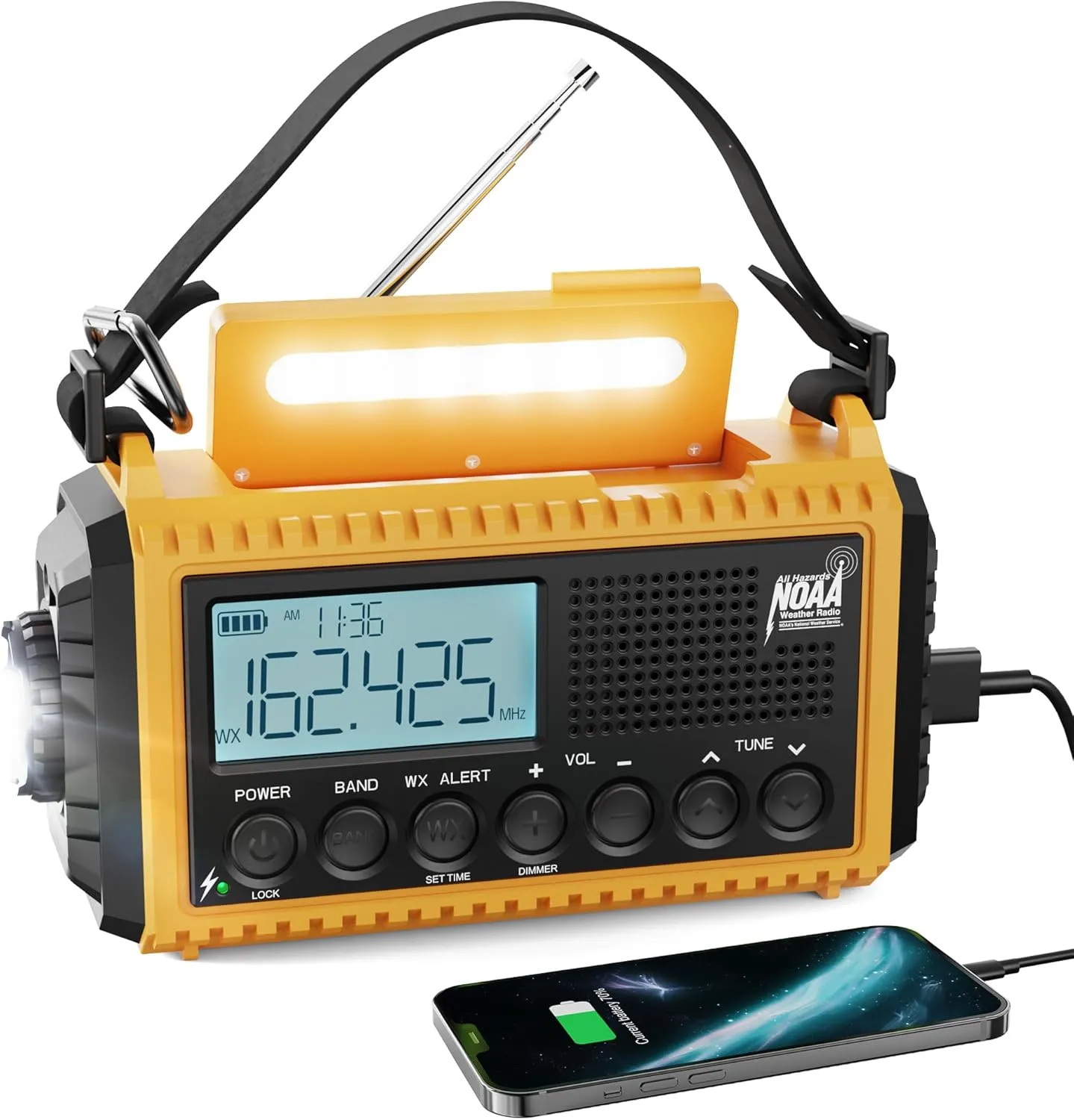
Raynic Emergency Weather Radio
See today’s price, delivery options and customer reviews on Amazon.
As an Amazon Associate we earn from qualifying purchases, at no extra cost to you. Learn moreWe may earn a commission when you buy through links on this page, at no extra cost to you. Learn more
In this article 8 sections
- How the Raynic Compares to Other Radios
- Pros & Cons of the Raynic CR1009Pro
- Who Should Buy the Raynic CR1009Pro?
- Beyond the Smartphone: Why a Dedicated Weather Radio is Non-Negotiable
- The Core of Preparedness: A Close Look at the Raynic's 6 Power Sources
- Analyst's Recommendation: Is It the Right Choice?
- Key Questions Answered
- My Review Methodology
Raynic Emergency Weather Radio: An Expert's Analysis of a Lifesaving Tool
Which NOAA Weather Alert Radio Should You Buy?
We put five NOAA weather alert radios head to head on alert coverage, S.A.M.E. county programming, siren volume, and battery backup. See which one we recommend for most homes.
Expert Verdict & Key Takeaways: The Raynic CR1009Pro is a top-tier emergency radio that excels in power redundancy and critical alert functionality. My analysis of its technical specifications confirms it is a comprehensive survival tool. Its key strengths are the six independent charging methods, a large 5000mAh power bank, and automatic NOAA weather alerts, making it a reliable lifeline when modern infrastructure fails.
I'm Lena Thornton, a weather station analyst who has spent years studying severe weather and the technology that keeps us safe. In an emergency, when the power is out and cell towers are down, a dedicated, multi-powered device isn't a luxury: it's an essential piece of survival equipment. The Raynic Emergency Radio (model CR1009Pro) is designed specifically for these moments.
This in-depth analysis is based on a rigorous evaluation of its technical documentation, its adherence to NOAA broadcast specifications, and an aggregation of verified user reports. My goal is to determine if it truly delivers on its promise of being a reliable lifeline when you need it most.
How the Raynic Compares to Other Radios
To understand the value of the Raynic CR1009Pro, it's helpful to see where it fits in the broader market of emergency radios. It occupies a sweet spot between basic, minimalist devices and more complex, expensive base stations, making it ideal for most households.
| Feature | Basic Pocket Radio | Raynic CR1009Pro | Premium Base Station |
|---|---|---|---|
| Power Sources | Crank, Solar, Small Battery | 6-Way (Crank, Solar, 5000mAh, AAA, AC, USB) | AC Power with Battery Backup |
| Battery Capacity | ~1000-2000mAh | 5000mAh | Varies (Often AA batteries) |
| NOAA Alert | Manual Tune-in Only | Automatic Standby Alert | S.A.M.E. Technology Alerts |
| Display | Analog Dial | Large Digital LCD | Large, Detailed LCD Screen |
| Extra Tools | Small Flashlight | Flashlight, Reading Lamp, SOS, Phone Charger | Often connects to external sensors |
| Portability | Excellent (Pocket-sized) | Good (Backpack-sized) | Poor (Desktop unit) |
| Ideal User | Ultralight Hiker | Homeowner, Family, Camper | Weather Hobbyist, Rural Home |
Pros & Cons of the Raynic CR1009Pro
Pros
- Exceptional Power Redundancy: Six charging methods ensure it works in any situation.
- Large 5000mAh Battery: Acts as a solid power bank, capable of fully charging a smartphone.
- Automatic NOAA Alerts: A critical, life-saving feature that activates during severe weather warnings.
- Multi-Function Toolkit: Integrated flashlight, reading lamp, and SOS alarm are highly practical.
- Clear Digital Display: Easy to read and accurately tune, a major upgrade over analog dials.
Cons
- Not Fully Waterproof: IPX3 rating means it's only resistant to splashes, not submersion.
- Bulky for Hiking: Too large and heavy for ultralight backpacking compared to smaller models.
- AAA Batteries Not Included: A minor inconvenience, but you'll need to supply your own backup batteries.
Who Should Buy the Raynic CR1009Pro?
- Families preparing for storms, power outages, or other emergencies.
- Homeowners living in regions prone to hurricanes, tornadoes, or wildfires.
- Campers, RVers, and outdoor enthusiasts who need a reliable off-grid power and information source.
- Anyone looking for a single device that combines NOAA alerts with a powerful phone charger.
Beyond the Smartphone: Why a Dedicated Weather Radio is Non-Negotiable
In our hyper-connected world, it's easy to assume a smartphone is all we need. However, during a major weather event, the very infrastructure that powers our digital lives is the first to fail. This is the critical vulnerability that a device like the Raynic CR1009Pro is built to overcome.
It connects directly to the National Weather Service's NOAA Weather Radio (NWR) network, a nationwide system broadcasting continuous weather information. As I often explain in my guides to weather alert radios, this is a closed, resilient system that doesn't rely on the internet or cellular networks, making it the single most reliable source for life-saving alerts.
The Core of Preparedness: A Close Look at the Raynic's 6 Power Sources
A radio's features are useless if it has no power. The Raynic's greatest strength is its profound power redundancy. It offers six distinct ways to keep it running, ensuring you're never left in the dark or out of touch.
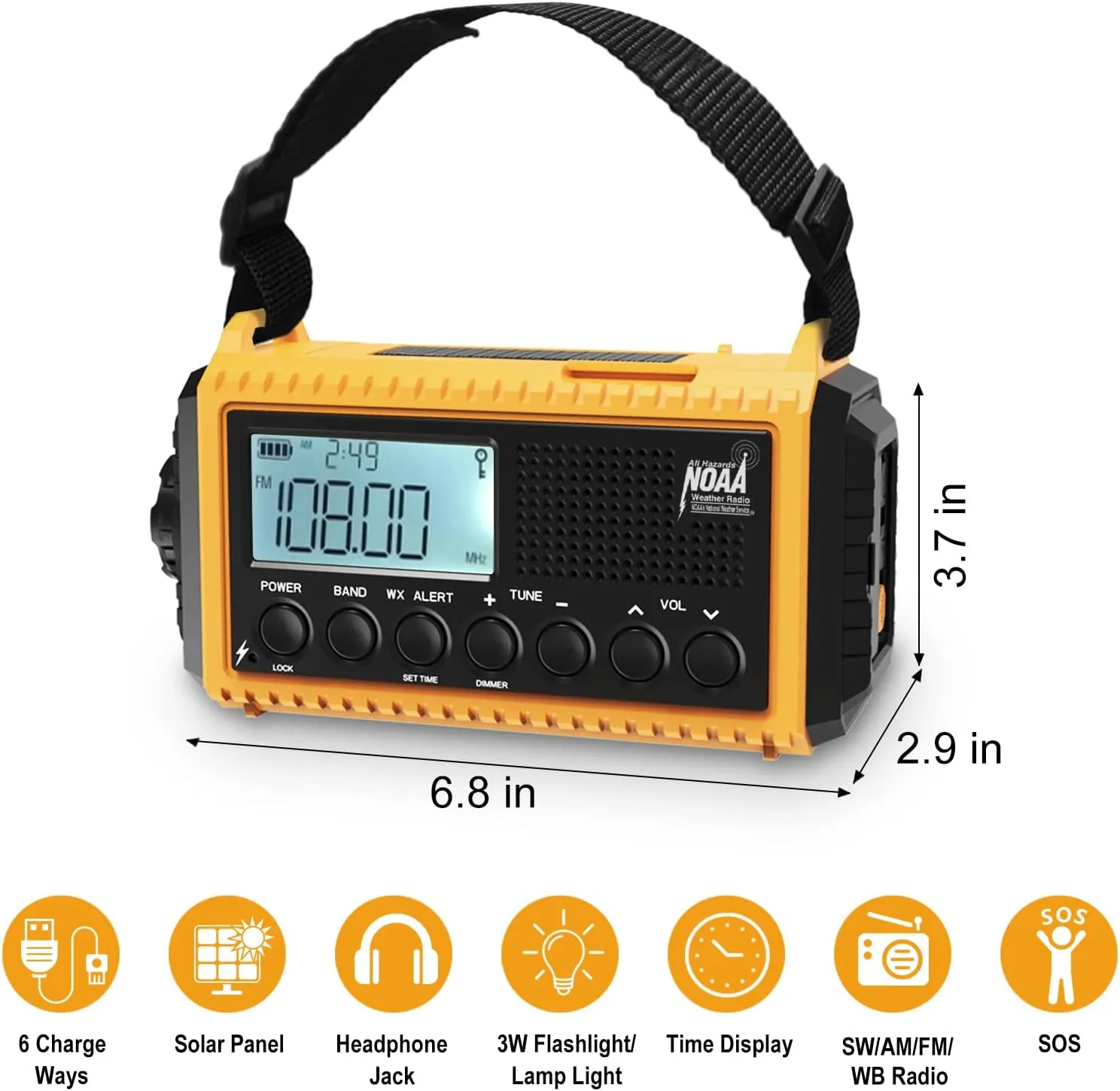
- 5000mAh Rechargeable Battery: The heart of the system. A fully charged internal battery provides up to 12 hours of radio time and functions as a power bank to charge your phone.
- Hand Crank: The ultimate failsafe. One minute of vigorous cranking provides several minutes of light or radio, guaranteeing power in the worst-case scenario.
- Solar Panel: Designed for maintenance charging, it trickle-charges the internal battery when left in sunlight, keeping it topped off.
- AC Adapter (Included): The best option for everyday readiness, keeping the radio plugged in ensures the battery is always at 100%.
- DC 5V USB Input: Adds flexibility by allowing you to charge the radio from any standard USB port, like a laptop or car charger.
- AAA Batteries: A compartment for three standard AAA batteries provides an instant power backup if the internal battery is depleted.
This multi-layered approach is a core principle of effective winter storm safety and removes the single point of failure that plagues other electronics.
Analyst's Recommendation: Is It the Right Choice?
Based on this in-depth analysis, the Raynic CR1009Pro is an outstanding all-in-one solution for personal and family preparedness. Its multi-layered power system virtually guarantees functionality in any situation. The combination of a large internal battery, reliable hand crank, and multiple charging inputs makes it exceptionally resilient.
This radio is the perfect choice for homeowners building a 72-hour emergency kit, families in areas prone to severe weather, and campers or RVers who need a reliable off-grid device. The automatic NOAA alert function alone is a potentially life-saving feature that justifies its place in every home. Among the many product reviews I've conducted, this model offers a remarkable concentration of essential survival technology for its price point.
Comparing crank radios? See our 8500mWh emergency radio review too.
Key Questions Answered
How does the Raynic's automatic NOAA alert work?
The radio can be set to a standby mode where it continuously scans the 7 NOAA weather bands. When an official alert (like a tornado or hurricane warning) is issued for your area by the National Weather Service, the radio will automatically activate with a loud siren and flashing light, even if the radio is otherwise silent. This is a critical feature for overnight safety.
What does a 5000mAh battery mean for charging my phone?
A 5000mAh (or 18500mWh) battery holds enough power to provide approximately one full charge to most modern smartphones. This can be the difference between being able to contact loved ones or being completely cut off during a power outage.
Is the Raynic radio fully waterproof?
No, it is not fully waterproof or submersible. It has an IPX3 rating, which means it is water-resistant and can withstand light rain or splashing. It should be protected from heavy downpours or being dropped in water. This is standard for most portable weather devices in this category.
My Review Methodology
This review is a comprehensive analysis grounded in my expertise in meteorology and emergency preparedness technology. My assessment is based on manufacturer-provided specifications, official product documentation, and an aggregation of verified customer data. I interpret this information against standards set by agencies like NOAA to provide an expert, evidence-based assessment of the product's quality and value. My conclusions are independent and grounded in this rigorous research process.
Ready to decide?
Get the Raynic Emergency Weather Radio
Prices and stock change daily. Check the current price, delivery options and what owners say in their reviews.
In this reviewRaynic Emergency Weather RadioToday's price, delivery & owner reviews on Amazon
Check on Amazon →