

Product covered in this analysis
Fix La Crosse Weather Station Display Issues Quickly
See today’s price, delivery options and customer reviews on Amazon.
As an Amazon Associate, I earn from qualifying purchases.In this article 8 sections
- 1. How to Fix "Dashes" (Lost Sensor Connection)
- Video: Visualizing the Reset Process
- 2. Replacement Parts: Don't Buy a New Station!
- 3. Maintenance & Calibration
- 4. Wi-Fi Troubleshooting: The "La Crosse View" App
- 5. The Battery Secret: Lithium vs. Alkaline
- 6. Is Something Killing Your Signal?
- 7. When is it Time to Upgrade?
When your La Crosse Weather Station starts acting up, whether showing dashes on the display, failing to connect to Wi-Fi, or giving inaccurate readings, it can throw off your ability to monitor your local micro-climate. Whether you are tracking storms for safety or just checking the morning temp, a reliable station is key.
Unlike generic brands, La Crosse systems are modular. This means if one part breaks, you don't need to throw the whole thing away. You can troubleshoot connection issues or simply replace the specific sensor that failed. This guide covers the "Hard Reset" procedure, how to identify broken parts, and where to find the exact accessories and parts you need.

The 15-Minute Rule: When resetting a La Crosse station, you cannot just swap the batteries quickly. You must remove all power (batteries and cord) and wait fully 15 minutes. Why? The internal capacitors hold a charge. If you don't let them drain, the station "remembers" the error and won't search for the sensor again.
1. How to Fix "Dashes" (Lost Sensor Connection)
If your outdoor temperature shows "--.-" or dashes, the display has lost contact with the sensor. This often happens after a battery change, a storm, or signal interruption. Follow this specific order to force a "handshake" between the units:
- Power Down Everything: Unplug the display unit from the wall and remove the backup batteries. Go outside and remove the batteries from the remote sensor.
- The Discharge: Press any button on the display 20 times. This drains the residual electricity from the capacitors. Then, leave both units alone for 15 minutes.
- Power Up Sensor First: Put fresh, high-quality batteries in the Outdoor Sensor first. (See our note on battery types below).
- Power Up Display Second: Within 2 minutes of powering the sensor, power up the display. Do not press any buttons. Let it sit for another 15 minutes to establish a lock.
Video: Visualizing the Reset Process
Sometimes it helps to see it done. This video walks you through the factory reset process for standard La Crosse units.
2. Replacement Parts: Don't Buy a New Station!
La Crosse stations are built with separate components. The most common failures are the Wind Cups (storm damage), the Rain Funnel (clogging/cracking), or the Thermo-Hygro Sensor (corrosion). Identifying the broken part can save you over $100 compared to buying a new system.
| Component | Common Symptoms | The Fix |
|---|---|---|
| LTV-W1 / W2 (Wind) | Wind speed reads "0" during storms; cups are missing. | Replace just the cups or the whole sensor. |
| LTV-R3 (Rain) | No rain data during heavy downpours. | Check for spiderwebs; if clear, the reed switch is dead. Replace sensor. |
| LTV-TH2 (Temp/Hum) | Dashes on screen; humidity stuck at 1% or 99%. | Corrosion on terminals. Clean with vinegar or replace. |
Replacement Wind Sensor (LTV-W1)
If your wind cups blew away or stopped spinning, this replaces the top unit. Compatible with most V-series stations.
Check Price on Amazon As an Amazon Associate, we earn from qualifying purchases at no extra cost to you.Replacement Temp/Humidity (LTV-TH2)
The "heart" of your system. If temperature is blank, this is the culprit. Ensure you check your model number first.
Check Price on Amazon As an Amazon Associate, we earn from qualifying purchases at no extra cost to you.Replacement Rain Bucket (LTV-R3)
Self-emptying bucket. If you cleaned the debris and it still won't register rain, the internal electronics have likely failed.
Check Price on Amazon As an Amazon Associate, we earn from qualifying purchases at no extra cost to you.3. Maintenance & Calibration
To prevent future issues, perform this maintenance twice a year (Spring and Fall):
- Clean the Rain Gauge: Twist the funnel off the rain sensor. Spiders love to build webs here, which prevents the internal rocker from tipping.
- Inspect Battery Terminals: Look for white powder (corrosion). If found, clean with a Q-Tip dipped in white vinegar.
- Calibrate Humidity: Is your humidity reading correct? You can verify this using the "Salt Test." Read our guide on how to calibrate your hygrometer for improved accuracy.
4. Wi-Fi Troubleshooting: The "La Crosse View" App
Modern stations connect to the "La Crosse View" app via the "Weather Connect" system. If your station drops connection frequently, the issue is almost always your router's frequency.
The 2.4GHz Requirement
La Crosse stations cannot see 5GHz Wi-Fi networks. Most modern routers broadcast both. You must connect your phone to your 2.4GHz network before attempting setup. If you use a Mesh Wi-Fi (like Eero), pause the 5GHz band temporarily in your router app.
5. The Battery Secret: Lithium vs. Alkaline
If your sensor dies every winter, you are using the wrong batteries. Standard Alkaline batteries contain a water-based liquid. When the temperature drops below 32°F (0°C), this liquid thickens, and the battery stops producing power.
- Use Lithium (Ultimate): For any outdoor sensor, always use Lithium AA batteries. They work down to -40°F.
- Avoid Rechargeables: Rechargeable (NiMH) batteries run at 1.2V, whereas La Crosse sensors require 1.5V for maximum range. Using rechargeables will result in frequent signal loss.
6. Is Something Killing Your Signal?
If the sensor works inside but fails when you move it outside, you likely have radio interference. Radio signals (915MHz) behave like light; they can be blocked or blinded.
- Metal Barriers: Metal siding, stucco (which contains wire mesh), and metal roofs act as a Faraday cage.
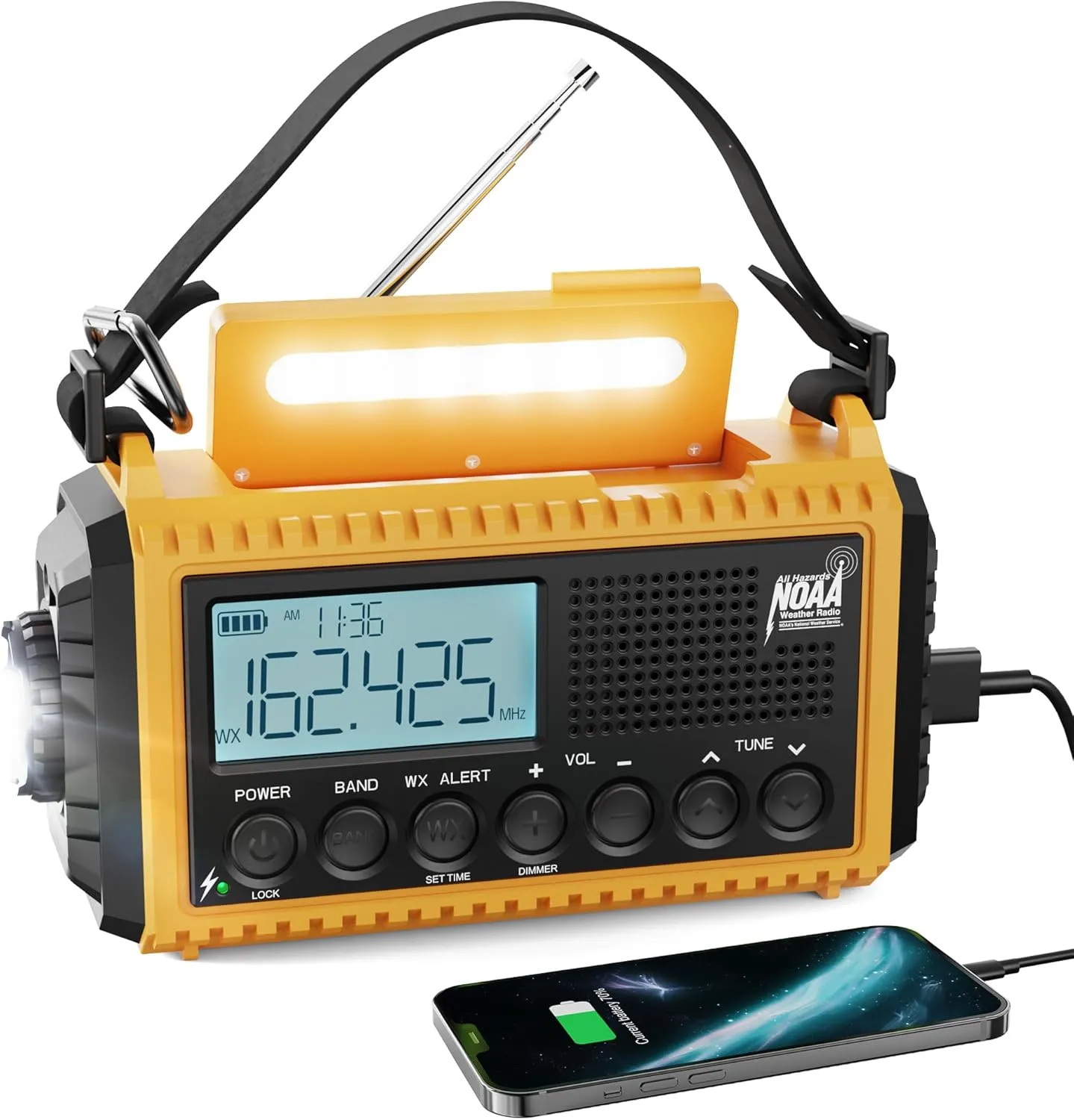
- Electronic Noise: Even emergency weather radios can sometimes cause crosstalk if placed right next to the console. Keep them at least 3 feet apart.
- USB Cables: Poorly shielded USB cables connected to computers emit "noise" that drowns out the weak signal from your sensor.
7. When is it Time to Upgrade?
If your station is older than 5-7 years, the internal sensors may have drifted too far to be accurate, or the plastic may have become brittle from UV exposure. Upgrading gives you access to faster Wi-Fi chips and better app integration.
If you are looking for a completely new setup, check our best home weather stations guide for top-rated models.
Top Upgrade: La Crosse V40A-PRO
The V40A-PRO is the direct successor to older models. It features a high-contrast color LCD, improved long-range sensors, and smooth Wi-Fi integration. It fixes many of the connection bugs found in older units.
See the V40A-PRO on Amazon As an Amazon Associate, we earn from qualifying purchases at no extra cost to you.Ready to decide?
Get the Fix La Crosse Weather Station Display Issues Quickly
Prices and stock change daily. Check the current price, delivery options and what owners say in their reviews.
In this reviewFix La Crosse Weather Station Display Issues QuicklyToday's price, delivery & owner reviews on Amazon
Check on Amazon →