Weather Education & Explanations
Lightning Detector: How It Works and Which to Buy
Lightning detectors explained: how they work, detection range, the 30-30-30 rule, best handheld and home weather station options, and how to install one.

Lightning detectors explained: how they work, detection range, the 30-30-30 rule, best handheld and home weather station options, and how to install one.
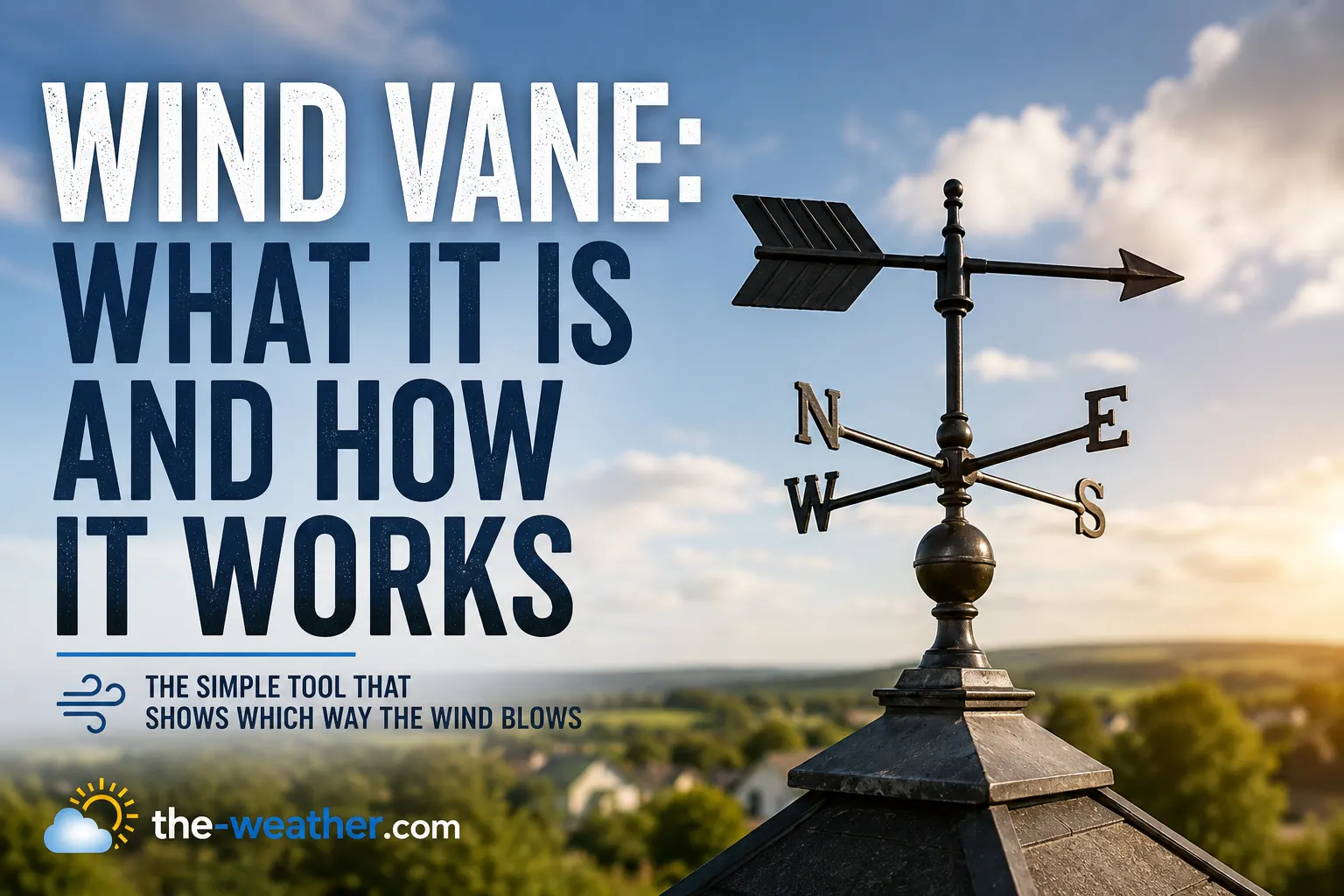
Wind vane explained: what it measures, how it works, types, placement tips, common problems, and the best options for home weather stations.
Outside temperature explained: what it measures, how to check it accurately, what each temperature range means, and the best tools to monitor it at home.
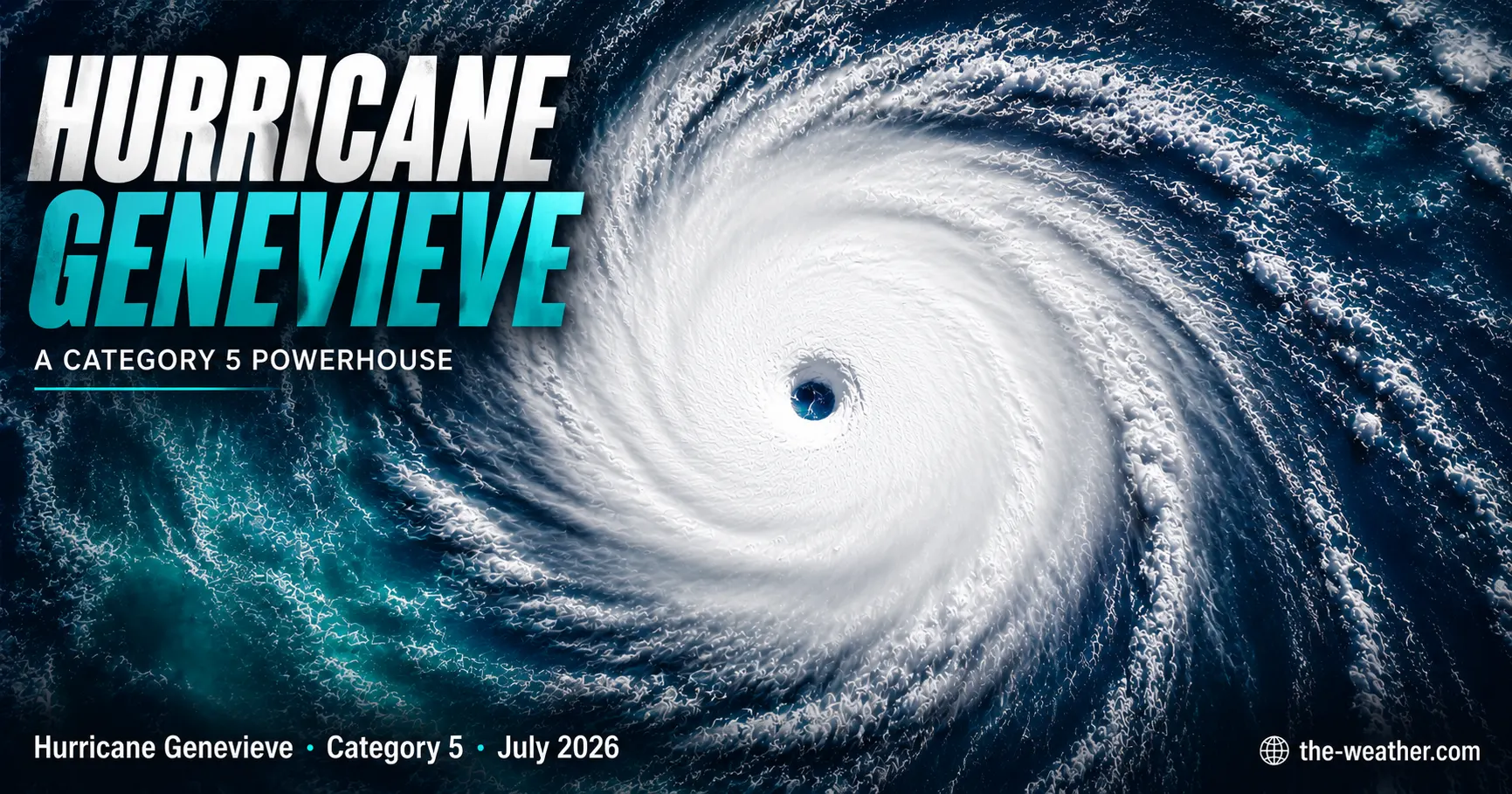
Hurricane Genevieve became a Category 5 storm with 160 mph winds in 30 hours. Learn why it intensified so rapidly and what the science behind the event means.
Outside temperature is the air temperature in the shade at about 6 feet (2 m) above the ground. Learn how it is measured, what real feel means, and why your reading can be wrong.
Learn how rainfall is measured in inches and mm, what 1 inch of rain means, how to convert snow to liquid, and why home rain gauges give wrong readings.
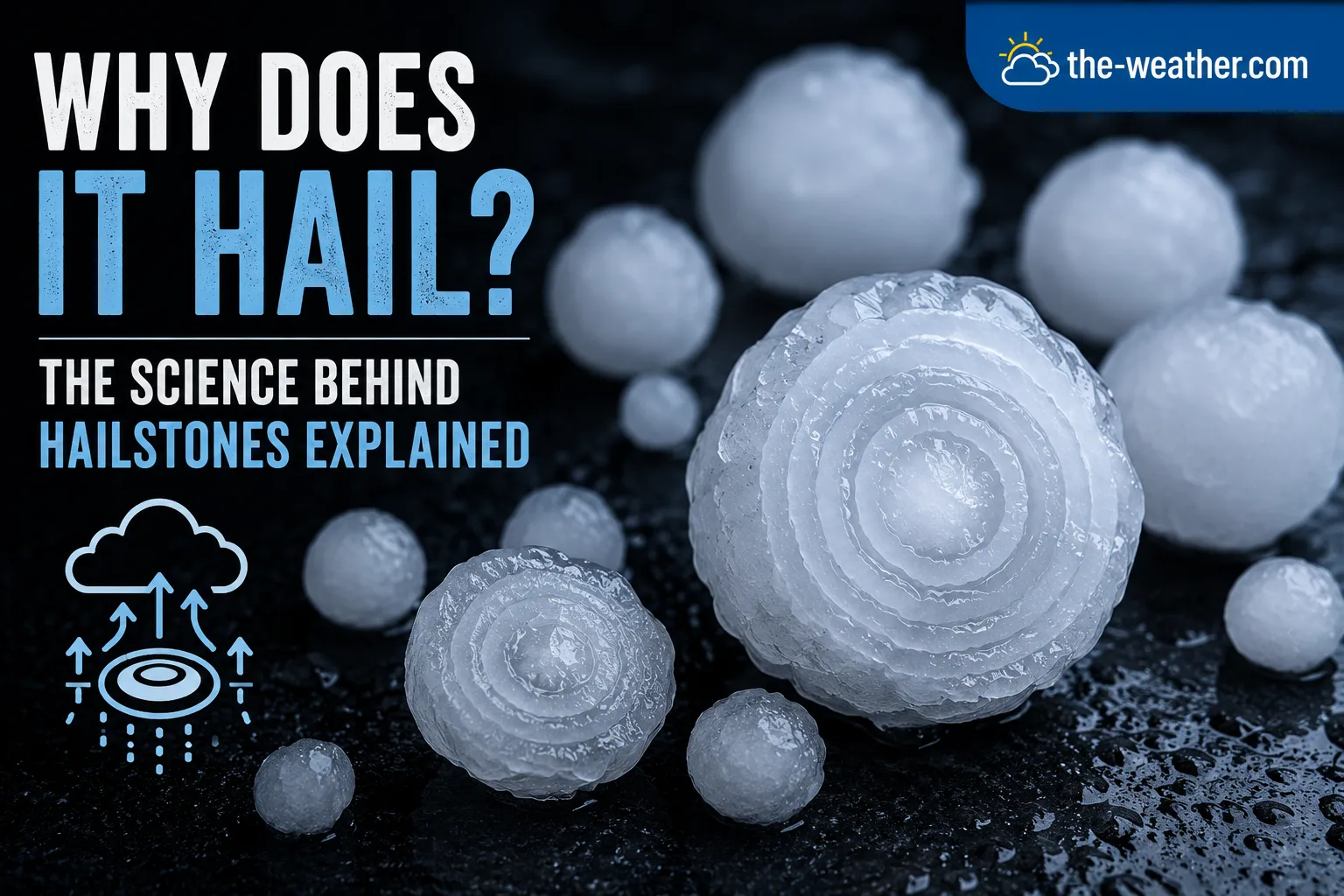
Hail forms inside thunderstorms when updrafts carry water droplets into freezing air. Learn why hail happens in summer, how big it gets, where it strikes most, and how to protect your car.
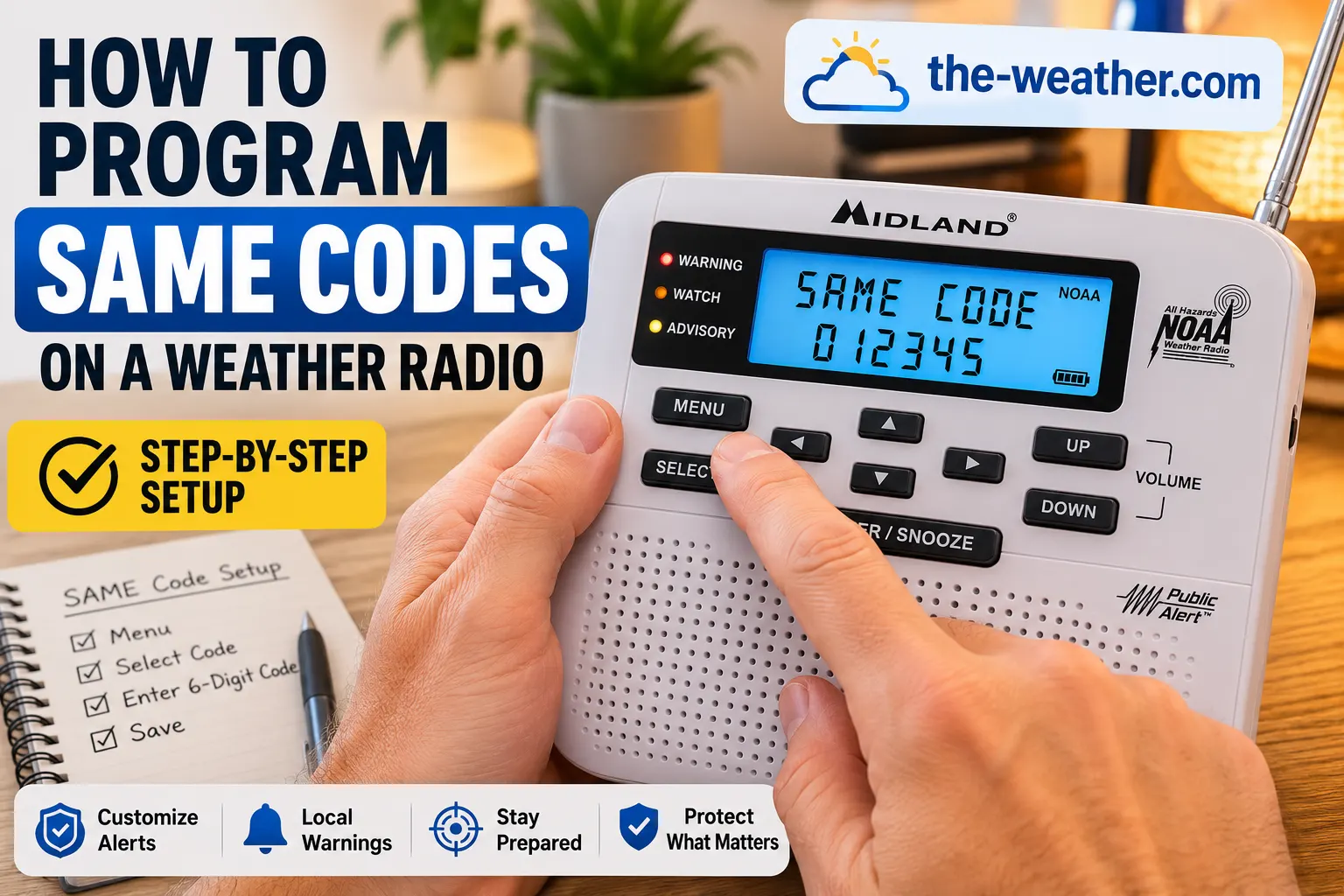
S.A.M.E. codes filter NOAA weather alerts to your county only. Find your 6-digit code at weather.gov, enter it in 6 steps, and stop getting alerts for areas far from you.
Aviation band radios operate on VHF 118–137 MHz. Learn the difference between pilot transceivers and airband receivers, what license you need, and which models to consider.
A weather radio for power outages runs on batteries, hand crank, and solar no grid needed. Learn which features matter, how long each power source lasts, and what to buy.