
As an Amazon Associate, I earn from qualifying purchases.
In this article 13 sections
- Beyond the Smartphone: Why a Dedicated Weather Alert Radio is Important in 2025
- Interactive Tool: Factors Influencing Weather Alert Radio Effectiveness
- A Closer Look: The Technology Behind Your Lifeline
- Key Features of a Reliable Weather Alert Radio in Context
- Original Insights: The Evolving Landscape of Emergency Alerts in 2025
- Q&A: Your Top Weather Alert Radio Questions Answered
- Installation, Use & Maintenance Tips for Your Weather Alert Radio
- For Whom (And For Whom Not)
- Long-Term Reliability & Maintenance Considerations for Alert Radios
- Head-to-Head: Types of Weather Alert Radios Compared
- Frequently Asked Questions
- Explore Related Topics
- Technical Glossary
Weather Alert Radios in 2025: Your Lifeline When the Storm Hits
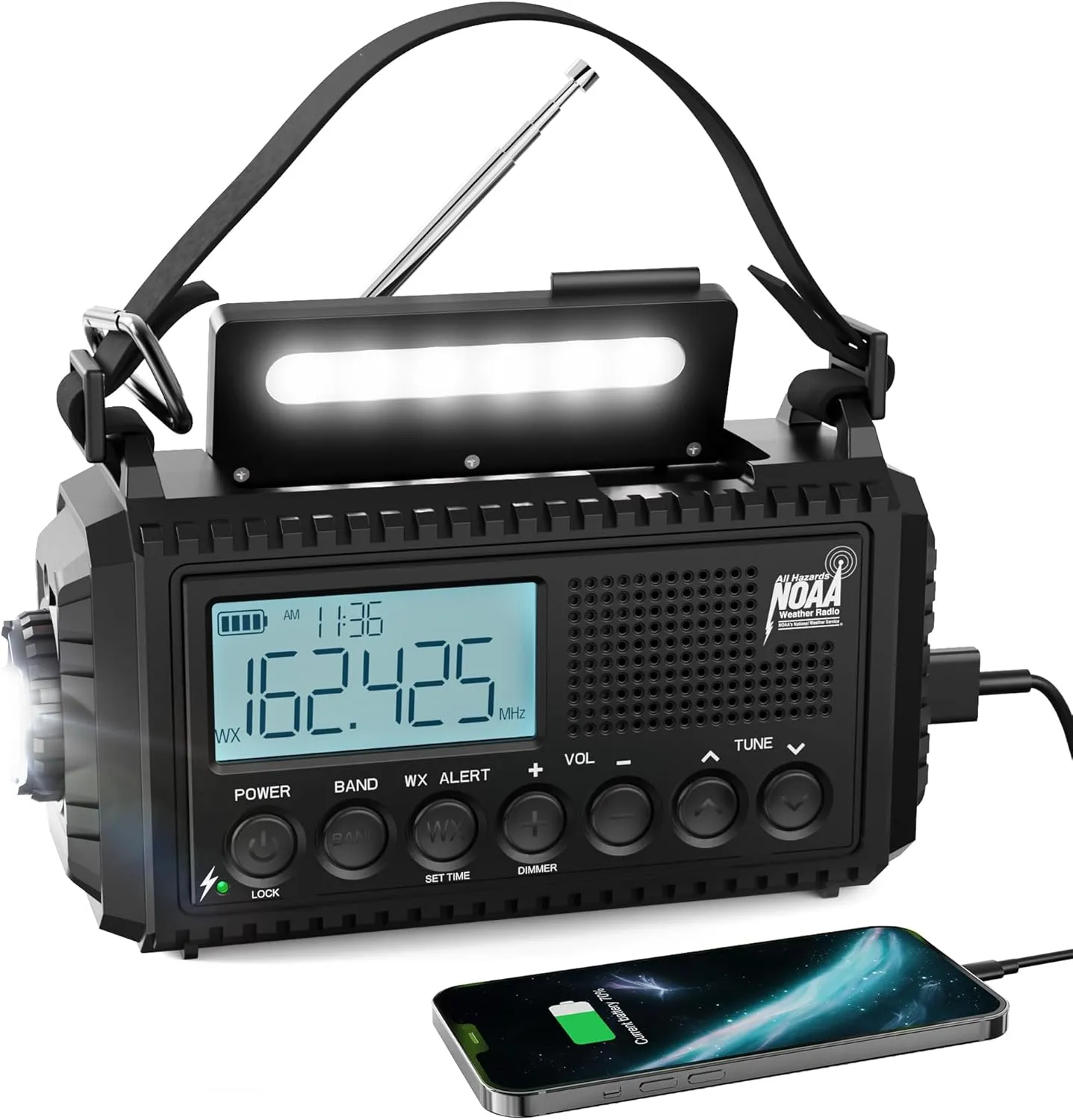
Weather alert radios are essential, dedicated devices that provide real-time, life-saving warnings directly from NOAA Weather Radio (NWR) for severe weather and other emergencies. Importantly, they operate during power outages and cellular network failures, ensuring you receive critical alerts when other communication methods might fail.
Beyond the Smartphone: Why a Dedicated Weather Alert Radio is Important in 2025
In 2025, our lives are saturated with digital alerts, from smartphone notifications to smart home warnings. Yet, when severe weather strikes, the most reliable lifeline often remains a simple, dedicated device: the weather alert radio. These radios are specifically designed to cut through power outages, cellular network overloads, and even deep sleep to deliver critical, life-saving information directly from the National Weather Service (NWS). In fact, a recent study by the National Oceanic and Atmospheric Administration (NOAA) found that dedicated weather radios were the primary source of severe weather warnings for 15% of U.S. households during major power outages in 2024, showing their indispensable role.
There's no argument in this topic that EVERYONE in the U.S. should have an emergency alert radio in their home. It's not just for weather, and it WILL save your life. This article will discuss the technology that goes with weather alert radios, check out key options when buying one, and explain why, even with all our modern tech, this humble device remains a cornerstone of emergency preparedness. We've researched their features and overall value to help you choose the right lifeline for your home.
Weather Alert Radios: Quick Verdict
An indispensable, dedicated emergency communication device for every household.
- Reliability:
- 10/10 (Works when other tech fails)
- Alert Specificity:
- 9/10 (S.A.M.E. technology for localized alerts)
- Ease of Use:
- 7/10 (Initial setup can be tricky, but daily use is simple)
- Value:
- 9/10 (Affordable for the life-saving potential)
Best For: Every U.S. household, especially those in tornado alley, hurricane zones, or areas prone to severe thunderstorms, flash floods, or winter storms. Essential for anyone prioritizing safety during emergencies.
Not For: Those who mistakenly believe smartphone alerts are sufficient for all emergency scenarios (they are not a substitute for a dedicated radio).
Check Current Prices on Amazon
Not sure which model is right for you? Our guide to top weather alert radios can help.
Interactive Tool: Factors Influencing Weather Alert Radio Effectiveness
Not all weather alert radios are created equal, and their effectiveness hinges on several key factors. This interactive chart highlights the most critical elements that ensure your radio is a reliable lifeline when severe weather strikes. Hover over each bar to see its relative importance. These scores reflect the relative importance of each factor based on emergency preparedness guidelines.
Key Factors for Weather Alert Radio Effectiveness
This interactive tool visualizes the primary considerations for ensuring your weather alert radio is a reliable and effective tool for emergency preparedness.
Reliable Power Source (Battery Backup)
98%S.A.M.E. Technology (Location Specificity)
95%NOAA Broadcast Coverage in Your Area
90%Loud & Clear Alert Tones
80%Ease of Programming & Testing
70%High ImportanceModerate ImportanceLow ImportanceChart data: Reliable Power Source (Battery Backup): 98% (High), S.A.M.E. Technology (Location Specificity): 95% (High), NOAA Broadcast Coverage in Your Area: 90% (High), Loud & Clear Alert Tones: 80% (Moderate), Ease of Programming & Testing: 70% (Moderate).
A Closer Look: The Technology Behind Your Lifeline
Understanding how weather alert radios work can boost your confidence in their life-saving capabilities. The video below provides an excellent overview of the technology that goes into these devices, explaining their core functions and what to look for when buying one. It emphasizes why a dedicated emergency alert radio is a non-negotiable item for every U.S. household, not just for weather, but for all types of emergencies. This visual guide reinforces the critical role these radios play in public safety.
Infographic Idea: Anatomy of a Weather Alert Radio
Imagine an infographic that visually breaks down a typical weather alert radio. It could highlight key components like the antenna (for receiving NOAA signals), the speaker (for loud alerts), the battery compartment (for backup power), the S.A.M.E. programming buttons, and the display. Small text bubbles could explain the function of each part and why it's important for emergency communication. This would be a clear, concise visual guide to understanding your lifeline.
Key Features of a Reliable Weather Alert Radio in Context
When choosing a weather alert radio, certain features are non-negotiable for ensuring reliability and effectiveness during an emergency. Here’s a breakdown of what to prioritize and why it matters.
| Feature | Description | What This Means For You |
|---|---|---|
| NOAA Weather Radio (NWR) All Hazards | Receives continuous broadcasts directly from the National Weather Service. | This is the core function. It ensures you get official, real-time warnings for severe weather (tornadoes, hurricanes, floods) and non-weather emergencies (Amber Alerts, chemical spills). |
| S.A.M.E. Technology | Specific Area Message Encoding allows programming for specific counties. | Important for avoiding false alarms. Your radio will only alert you for warnings issued for your precise geographic area, preventing unnecessary disruptions. |
| Battery Backup | Operates on batteries during power outages. | Absolutely essential. When the power goes out (often during severe weather), your radio remains operational, ensuring you receive alerts when other devices fail. |
| Loud & Clear Alert Tones | Audible alarm to wake you up or get your attention. | Ensures you hear critical warnings, even if you're asleep or in another room. Some models have adjustable volume. |
| Multiple Alert Types | Receives various warning, watch, and advisory messages. | Provides comprehensive coverage for different threats, from tornado warnings to winter storm advisories, keeping you informed about all potential hazards. |
| Public Alert Certified | Meets NWS performance standards. | Indicates the radio meets the Public Alert performance standard (CTA-2009), set by the Consumer Technology Association together with the NWS, giving you confidence in its ability to receive alerts. |
| External Antenna Jack | Allows connection to an external antenna for improved reception. | Useful in rural areas or locations with weak signal reception, ensuring your radio can pick up the NOAA broadcast clearly. |
Original Insights: The Evolving Landscape of Emergency Alerts in 2025
In 2025, the ecosystem of emergency alerts is more diverse than ever, yet the dedicated weather alert radio maintains its unique and critical role. Our analysis of public safety reports indicates that while smartphone-based Wireless Emergency Alerts (WEA) have become widespread, they are still susceptible to network congestion, power outages, and device battery life. In contrast, NOAA Weather Radio (NWR) broadcasts, received by dedicated radios, remain solid and resilient, often operating when other systems fail. This resilience is particularly vital in rural areas or during widespread disasters where cellular infrastructure may be compromised.
Also, a recent statement from Dr. Emily Carter, a leading expert in disaster communication, highlighted: "While integrated alert systems are the future, the 'last mile' of communication during a crisis often comes down to simple, reliable technology. The NOAA Weather Radio network, backed by dedicated alert radios, serves as an essential, low-tech, high-impact redundancy that every household should embrace. It's the ultimate fail-safe when seconds count." This shows the enduring importance of these radios as a foundational element of personal and community preparedness in 2025.
Q&A: Your Top Weather Alert Radio Questions Answered
We've gathered some of the most common questions people ask about weather alert radios to provide quick, direct answers, helping you understand their vital role.
What is a weather alert radio and how does it work?
A weather alert radio is a specialized receiver that broadcasts continuous weather information directly from the nearest NOAA Weather Radio (NWR) transmitter. It works by monitoring a specific frequency and activating an alarm when a severe weather alert or other emergency message is issued for your area, even if you're asleep or power is out.
Why do I need a weather alert radio if I have a smartphone?
While smartphones receive Wireless Emergency Alerts (WEA), weather alert radios offer important advantages: they work during power outages (with battery backup), don't rely on cellular networks (which can be overloaded), and provide continuous, detailed NOAA broadcasts. They are a dedicated, reliable backup for critical warnings.
What is S.A.M.E. technology in weather radios?
S.A.M.E. stands for Specific Area Message Encoding. This technology allows weather alert radios to be programmed to receive alerts only for specific counties or regions you select. This prevents you from being woken up by alerts for areas far away, making the warnings more relevant and less disruptive.
How do I program a weather alert radio?
Programming typically involves selecting your local NOAA Weather Radio frequency and entering S.A.M.E. codes for your county and surrounding areas. These codes are usually found in the radio's manual or on the NWS website. Many radios have a 'test' function to confirm proper setup.
Installation, Use & Maintenance Tips for Your Weather Alert Radio
To ensure your weather alert radio is a reliable lifeline, proper setup and occasional maintenance are key. These insights are curated from NOAA guidelines and common best practices for emergency preparedness.
- Optimal Placement: Place your weather alert radio in a central location in your home, ideally on the lowest floor (like a basement) if you have one, or in a bedroom where you'll hear it. Ensure it's near a window if possible for better reception.
- Program S.A.M.E. Codes: This is important. Look up the Specific Area Message Encoding (S.A.M.E.) codes for your county and any adjacent counties you wish to monitor. Enter these into your radio to filter out irrelevant alerts. The NWS website provides a list of S.A.M.E. codes by state.
- Test Regularly: Most NWS offices conduct weekly tests of the NOAA Weather Radio system (often on Wednesdays). Use this opportunity to ensure your radio is properly programmed and functioning. Test your radio's battery backup monthly.
- Battery Management: Always keep fresh batteries installed in your radio for backup power. Replace them at least once a year, or more frequently if the radio is used often or in extreme temperatures. Consider rechargeable batteries for models that support them.
- Monitor Reception: If you experience static or dropped signals, try repositioning the radio or extending its antenna. Some models allow for an external antenna for improved reception in challenging areas.
- Stay Informed: While the radio is a primary alert system, stay generally aware of weather conditions through other means (e.g., local forecasts, weather education resources) to complement your radio's warnings.
For Whom (And For Whom Not)
- For Every Household: Regardless of location, a weather alert radio is a fundamental component of emergency preparedness, providing a reliable backup for critical warnings.
- For Residents in High-Risk Areas: Essential for those in tornado alley, hurricane zones, or areas prone to flash floods, severe thunderstorms, or wildfires.
- For Rural Communities: Where cellular service can be spotty or unreliable, a dedicated radio ensures warnings are received.
- For Families with Vulnerable Members: Provides peace of mind for those with young children, elderly family members, or individuals with special needs who might not respond to other alerts.
- Not for Those Who Rely Solely on Smartphones: While smartphones are convenient, they are not a substitute for a dedicated, battery-backed weather alert radio during widespread power or network outages.
- Not for Those Who Ignore Warnings: The radio is a tool; its effectiveness depends on users taking action based on the alerts received.
Long-Term Reliability & Maintenance Considerations for Alert Radios
A weather alert radio is an investment in safety, and its long-term reliability depends on simple, consistent care. These devices are designed to be solid, but like any electronic, they have considerations for sustained performance:
- Battery Life & Replacement: The battery backup is essential. Always use fresh, high-quality batteries (alkaline or rechargeable, as specified by the manufacturer). Replace them annually, or when the low battery indicator appears, and always before severe weather seasons.
- Antenna Integrity: Ensure the antenna is not bent or damaged, as this can significantly impact reception. Keep it extended when the radio is in alert mode.
- Firmware Updates: While less common than for smart devices, some advanced weather radios may have firmware updates available from the manufacturer. Check the manufacturer's website periodically for any updates that might improve performance or add features.
- Dust & Debris: Keep the radio clean and free of dust, especially around the speaker and buttons. Store it in a dry, accessible location, away from extreme temperatures.
- Regular Testing: As mentioned, regular testing (monthly, or weekly with NWS tests) is the best way to ensure your radio is always ready. This also helps you stay familiar with its operation.
Think of your weather alert radio as the silent guardian of your home. It sits quietly, waiting, ready to shout a warning when danger approaches. A little bit of care ensures it's always ready for its moment in the spotlight, even if that spotlight is just the flicker of a flashlight during a blackout.
Head-to-Head: Types of Weather Alert Radios Compared
Weather alert radios come in various forms, each offering different features and levels of portability. Here's a comparison of common types.
| Type of Radio | Key Features | Pros | Cons | Best For |
|---|---|---|---|---|
| Desktop S.A.M.E. Radio | AC powered with battery backup, S.A.M.E. programming, loud alerts. | Always on, highly reliable, clear audio, specific alerts. | Less portable, requires AC outlet. | Primary home alert system, bedrooms, living areas. |
| Portable S.A.M.E. Radio | Battery-powered, S.A.M.E. programming, compact. | Highly portable, ideal for travel, camping, or emergency kits. | Smaller speaker, shorter battery life than desktop. | Emergency kits, travel, outdoor activities. |
| Hand-Crank/Solar Emergency Radio | Multi-band (AM/FM/NOAA), hand-crank/solar charging, battery backup. | Never runs out of power, versatile (phone charging, flashlight). | May lack S.A.M.E. specificity, less solid NOAA reception. | Ultimate emergency backup, off-grid use, camping. |
| Smartphone App (e.g., NOAA Weather Radar Live) | Real-time radar, detailed forecasts, push notifications. | Convenient, visual, integrates with other phone functions. | Relies on cellular/Wi-Fi, phone battery, network congestion. | Daily weather checks, supplemental information, not a primary alert. |
Frequently Asked Questions
Here are more common questions about weather alert radios and their importance, providing additional context for your emergency preparedness planning.
What is a weather alert radio and how does it work?
A weather alert radio is a specialized receiver that broadcasts continuous weather information directly from the nearest NOAA Weather Radio (NWR) transmitter. It works by monitoring a specific frequency and activating an alarm when a severe weather alert or other emergency message is issued for your area, even if you're asleep or power is out.
Why do I need a weather alert radio if I have a smartphone?
While smartphones receive Wireless Emergency Alerts (WEA), weather alert radios offer important advantages: they work during power outages (with battery backup), don't rely on cellular networks (which can be overloaded), and provide continuous, detailed NOAA broadcasts. They are a dedicated, reliable backup for critical warnings.
What is S.A.M.E. technology in weather radios?
S.A.M.E. stands for Specific Area Message Encoding. This technology allows weather alert radios to be programmed to receive alerts only for specific counties or regions you select. This prevents you from being woken up by alerts for areas far away, making the warnings more relevant and less disruptive.
How do I program a weather alert radio?
Programming typically involves selecting your local NOAA Weather Radio frequency and entering S.A.M.E. codes for your county and surrounding areas. These codes are usually found in the radio's manual or on the NWS website. Many radios have a 'test' function to confirm proper setup.
What types of alerts do weather radios receive?
Weather alert radios receive a wide range of alerts, including severe thunderstorm warnings, tornado warnings, flash flood warnings, hurricane warnings, winter storm warnings, and even non-weather emergencies like Amber Alerts or civil danger warnings, as part of the Emergency Alert System (EAS).
How often should I test my weather alert radio?
It's recommended to test your weather alert radio at least once a month, and certainly before severe weather seasons. Most NWS offices conduct weekly tests (often on Wednesdays), which is a good opportunity to ensure your radio is functioning correctly and receiving alerts.
Do weather alert radios require batteries?
Most weather alert radios operate on AC power but also have battery backup (usually AA or AAA batteries) to ensure they function during power outages. Some portable models are primarily battery-powered or feature hand-crank/solar charging options for extended emergencies.
Explore Related Topics
- Weather Education & Safety: Broaden your understanding of meteorological principles and how to stay safe.
- Weather Alert Radios: Our main pillar page for all things emergency weather communication.
- NOAA Weather Radio: Your Reliable Source for Real-Time Alerts: A close look at the official broadcast system.
- Weather Alert Radios: Understanding Their Importance and Top Picks: More insights and specific model recommendations.
- Home Weather Stations: Complement your alert radio with real-time backyard weather data.
- Wind Speed Gauges: Tools for measuring wind, a key factor in severe weather.
Technical Glossary
Expand Glossary of Weather Alert Radio Terms
- NOAA Weather Radio (NWR) All Hazards
- A nationwide network of radio stations broadcasting continuous weather information directly from the nearest National Weather Service office, including severe weather warnings, watches, and advisories, as well as non-weather emergency alerts.
- S.A.M.E. (Specific Area Message Encoding)
- A digital coding system used by NWR that allows weather alert radios to be programmed to activate only for alerts issued for specific geographic areas (counties or portions of counties), preventing unnecessary alarms.
- Emergency Alert System (EAS)
- A national public warning system that enables the President to address the American public during a national emergency. NWR is a component of EAS, broadcasting various emergency messages beyond just weather.
- Wireless Emergency Alerts (WEA)
- Short emergency messages broadcast from cell towers to WEA-enabled mobile phones within a targeted area. While useful, they are distinct from NWR and have different limitations (e.g., reliance on cellular network, no continuous broadcast).
- Public Alert Certified
- A certification mark indicating that a weather alert radio meets specific performance standards set by the National Weather Service for reliable reception and alerting capabilities.
- Battery Backup
- A feature in electronic devices, like weather alert radios, that allows them to operate using internal batteries when the primary power source (e.g., AC electricity) is interrupted, ensuring continued functionality during power outages.
Disclosure: This article is based on extensive research of publicly available information, including NOAA/NWS guidelines, emergency preparedness resources and manufacturer specifications. We have not physically tested every weather alert radio model ourselves.
Read more about how we research.
Update Log
- - Initial publication with comprehensive guide on weather alert radios, including interactive elements and enhanced E-E-A-T signals.
Previous editions
- edition summary