
As an Amazon Associate, I earn from qualifying purchases.
In this article 8 sections
The Golden Rule: The most important phrase to remember is: "When Thunder Roars, Go Indoors." Lightning can strike up to 10 miles away from a storm, meaning you can be struck even if it isn't raining where you are standing. If you can hear thunder, you are within striking distance. Seek shelter in a substantial building or a hard-topped metal vehicle immediately.
- ⚡ Heat: A lightning bolt is 5x hotter than the surface of the sun.
- 📏 Distance: Strikes can travel 10+ miles from the storm cloud.
- 🚗 Cars: Safe only if they have a hard metal roof (it acts as a Faraday cage).
- ❌ Myth: Rubber tires do NOT protect you; the metal frame does.

Understanding the Danger: Why You Can't Outrun It
There is something uniquely terrifying about a sudden crack of thunder that shakes the house. Unlike a snowstorm where you have days to buy groceries, or a heat wave where the temperature climbs slowly, a thunderstorm arrives with violent speed. One minute you are gardening, and the next, the sky turns a bruised purple.
As a weather writer and a mother, I have always taught my family that lightning is not to be trifled with. It is raw, unfiltered electricity hunting for a connection to the ground. According to weather education statistics, lightning strikes the United States about 25 million times a year. While most of us love watching a distant storm from the safety of a porch, the danger zone is much larger than you might think.
You can track these storms on Weather Underground, but your ears are often the best warning system. If you hear that low rumble, you need to act. It isn't just about getting wet; it is about avoiding a discharge of electricity that can stop a human heart instantly.
🎨 The Physics: How a Strike Happens
To stay safe, it helps to understand what is happening above your head. A thunderstorm is essentially a giant battery. Clouds build up a negative charge at the bottom, and the ground below becomes positively charged.

The Anatomy of a Bolt:
1. The Step Leader: An invisible channel of negative charge zig-zags down from the cloud. It is searching for the path of least resistance.
2. The Streamer: As the leader gets close to the ground, positive charges "reach up" from tall objects like trees, poles, or even people. These are called streamers.
3. The Connection: When the leader and streamer meet, an electric current rushes back up the channel. This is the bright flash you see, called the "Return Stroke." This heats the air to 50,000°F, hotter than the sun, causing the air to explode outward. That explosion is thunder.
The 30/30 Rule: Your Safety Timeline
Knowing when to go inside is critical. We use a similar timeline approach for winter storm safety, but lightning requires seconds, not hours, of reaction time.
When you see a flash of lightning, start counting seconds until you hear thunder. Divide the number of seconds by 5 to get the distance in miles. (Example: 10 seconds / 5 = 2 miles away).
If you count 30 seconds or less, the storm is within 6 miles. This is the danger zone. You must be indoors immediately. Do not wait for rain.
Wait 30 minutes after the last clap of thunder before going back outside. Many casualties happen because people leave shelter too early, thinking the storm has passed while the trailing edge is still active.
Indoor Safety: It Can Get In!
Many people believe that once they are inside a house, they are 100% safe. While you are much safer than being outside, lightning can still travel through your home's systems. If you have a Zivron WiFi weather station, check the data remotely rather than standing near the console if it is plugged into the wall.
The CDC advises avoiding the following during a storm:
- Corded Phones: Electricity travels through phone lines. Cell phones are safe to use as long as they are not plugged into a charger.
- Plumbing: Do not shower, wash dishes, or wash your hands. Metal pipes can conduct a lightning strike from the roof down into the bathroom.
- Electronics: Lightning can surge through electrical outlets and destroy computers and TVs. Unplug expensive gear before the storm arrives.
- Concrete Floors: In a garage or basement, do not lie on concrete floors. Concrete often contains metal mesh that can conduct ground current.
Caught Outside? What NOT To Do
If you are stuck outside, you are in a high-risk situation. You need to make yourself less of a target. This is different from figuring out what is a snowstorm shelter plan; you need to avoid height.
🚫 Dangerous Myths (Do NOT Do This)
Do NOT lie flat on the ground. This increases your surface area for "ground current" (electricity traveling through the soil) to hit you. If a nearby tree is hit, the current spreads through the roots and into you.
Do NOT stand under a tree. This is the second leading cause of lightning deaths. Trees attract lightning because they are tall, and the energy will jump to you.
The Correct Action: If absolutely necessary, crouch down in a ball on the balls of your feet. Tuck your head and cover your ears. You want to be low, but with as little contact with the ground as possible. However, running to a car is always a better option than crouching.
Also, be aware of flooding. A heavy thunderstorm can dump massive amounts of water quickly. If you are near a riverbed, review your knowledge on what is an atmospheric river to understand how quickly flash floods can occur.
🌍 Lightning Myths Busted
There is a lot of folklore surrounding storms. Let's separate fact from fiction so you can stay safe.
| The Myth | The Reality | Why it matters |
|---|---|---|
| Rubber tires save you. | ❌ FALSE | It is the metal roof/frame acting as a cage that saves you. Convertibles offer NO protection. |
| It never strikes twice. | ❌ FALSE | The Empire State Building gets hit 25 times a year. Lightning hits the best target. |
| People hold a charge. | ❌ FALSE | Victims are NOT electrified. You can and should touch them to give CPR immediately. |
| No rain = Safe. | ❌ FALSE | Lightning can strike 10 miles away from the rain core ("Bolt from the Blue"). |
Always verify your information with sources like the Red Cross rather than relying on stories you heard as a child.
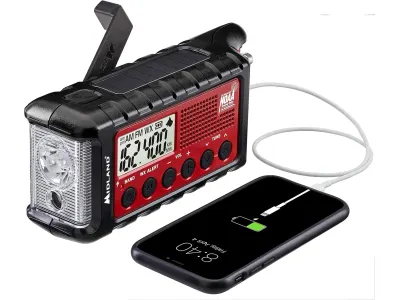
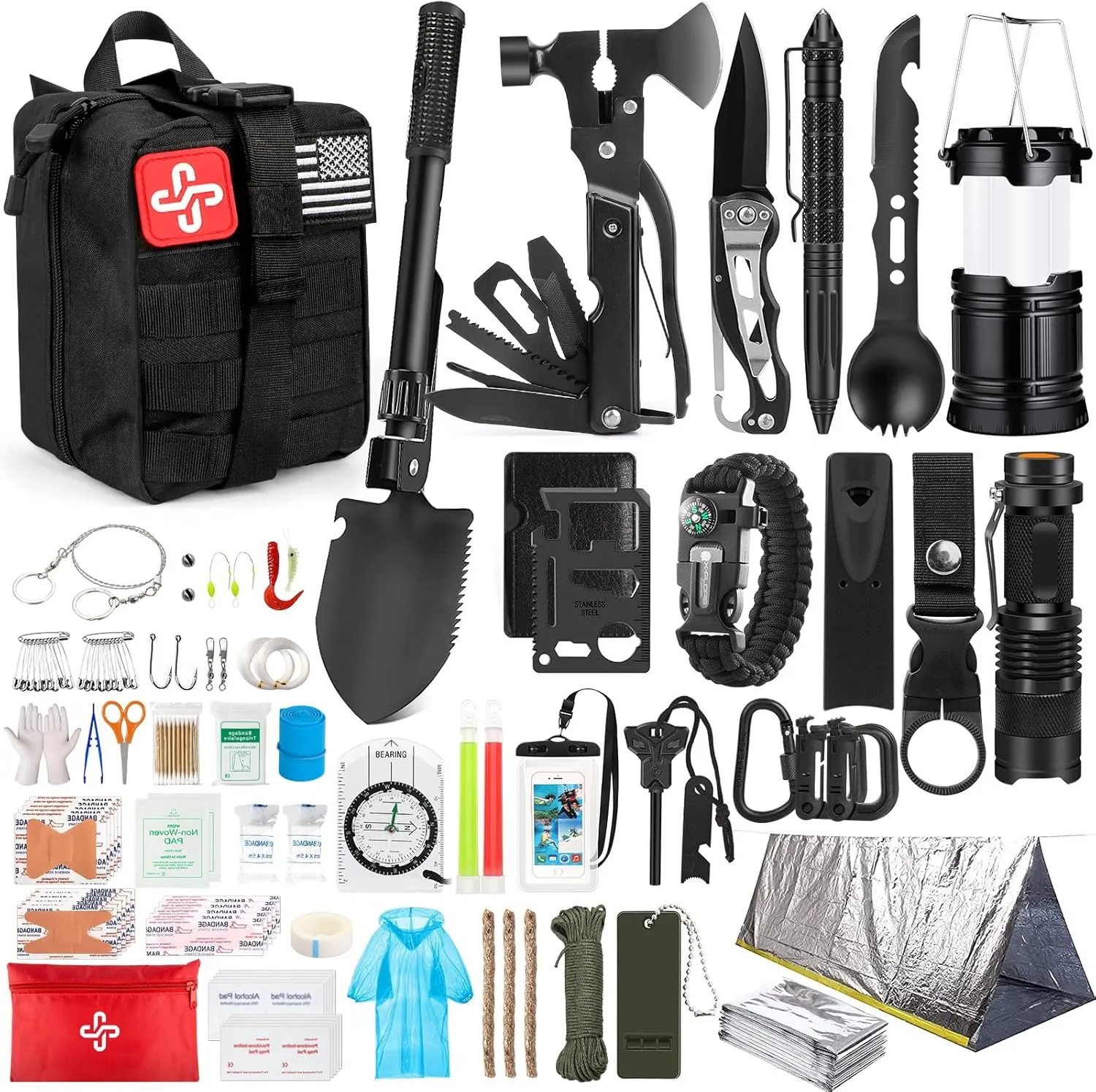
📚 Thunderstorm Safety Gear
Preparation is the best insurance. Having these items on hand can protect your home and your family when the sky turns dark.



Video Explanation
For a visual guide on staying safe during severe weather, watch this helpful explanation from the National Weather Service.
Frequently Asked Questions
Is it safe to shower during a thunderstorm?
No. Water is a great conductor of electricity, and the metal pipes in your home often extend to the ground outside. If lightning strikes your home or the ground nearby, the charge can travel through the pipes and shock you. Wait until the storm passes.
What if I am caught in a field?
If you have absolutely no shelter, crouch down low in a ball on the balls of your feet. Do not lie flat. Stay away from isolated tall trees or poles. According to the NWS, moving to a low-lying area (like a ditch) is safer than being on a hilltop, but beware of flash flooding.
Can I use my cell phone?
Yes, if it is unplugged. Cell phones do not have a physical wire connecting them to the outside world like old landlines did. However, do not use it if it is plugged into a wall charger during the storm.
📝 The Storm Safety Cheat Sheet
Keep this checklist in mind when the clouds gather:
- ✅ Hear Thunder? Go Indoors immediately.
- ✅ No Shelter? Get into a hard-topped metal car.
- ✅ Indoors: Stay off corded phones and avoid plumbing.
- ✅ Wait: 30 minutes after the last thunder before going out.
- ✅ Help: If someone is struck, call 911. You can touch them safely.
Last Updated: