
As an Amazon Associate, I earn from qualifying purchases.
In this article 5 sections
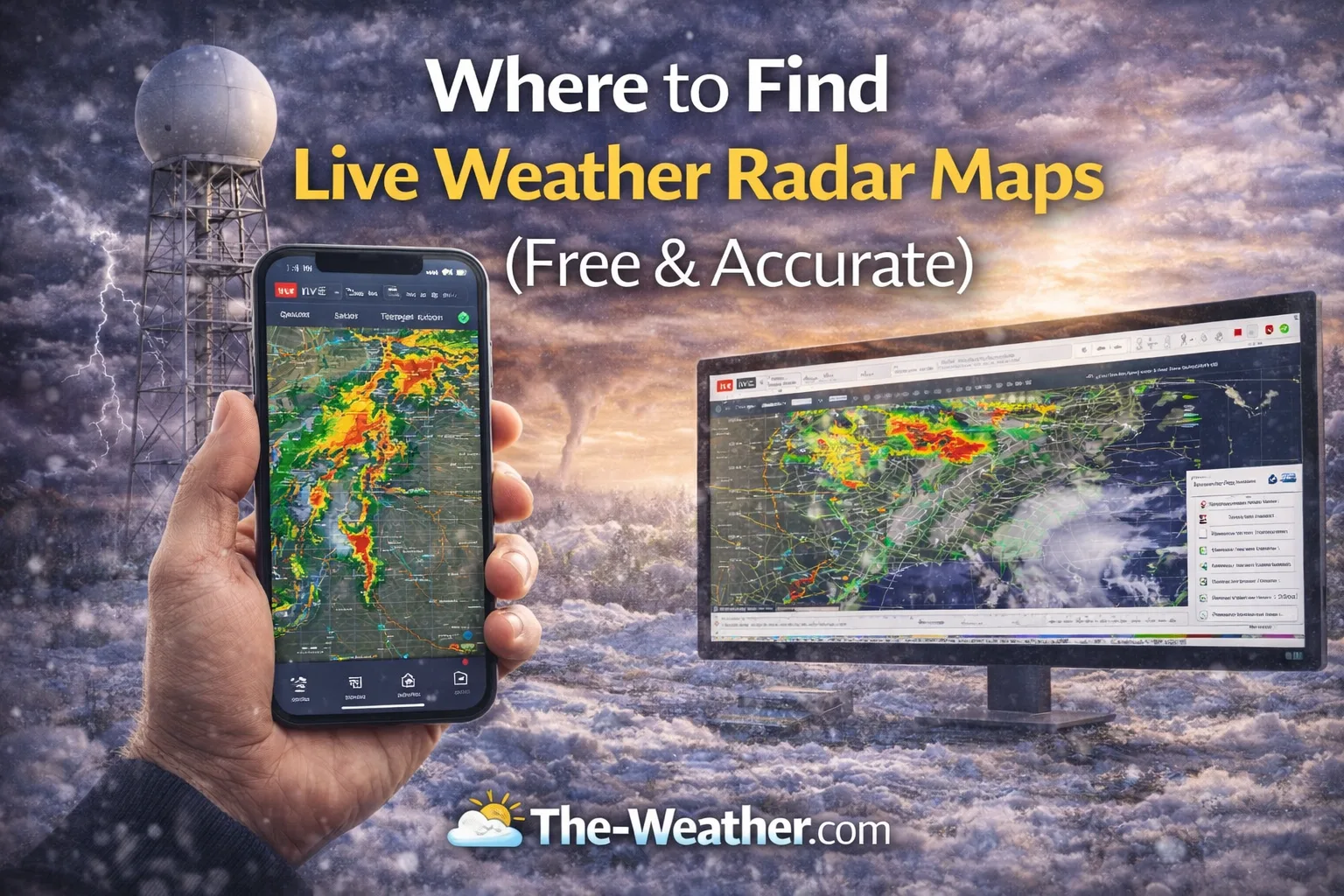
The Short Answer: The most accurate and free source for live weather radar in the United States is the National Weather Service (weather.gov). Because it is tax-funded, it provides raw, un-delayed data directly from the NEXRAD network. For a more visual experience, Weather Underground's Wundermap and Windy.com offer excellent free interfaces that layer radar over street maps. If you want professional-grade data on your phone, RadarScope (paid) or the free College of DuPage mobile site are the top choices for weather enthusiasts.
- 🟢 Green: Light Rain / Drizzle.
- 🟡 Yellow: Moderate Rain.
- 🔴 Red: Heavy Rain / Thunderstorms.
- 🟣 Purple/White: Hail or Debris (Tornado).

Why Your Radar Source Matters
We have all been there. You are planning a picnic, your app says "0% chance of rain," and ten minutes later you are sprinting for the car while soaking wet. The problem usually isn't the radar technology itself; it is the app you are using to look at it.
Most free "weather apps" are really just data aggregators. They take the official feed, smooth it out to make it look pretty, and then serve it to you... sometimes with a 15-minute delay. In a fast-moving summer storm, 15 minutes is the difference between dry and drenched. That is why finding a direct source is important.
Real-time radar is especially vital during extreme events. For instance, if you are tracking a potential snowstorm, you need to see exactly where the rain/snow line is. A delay in the data could mean getting stuck on an icy highway. Similarly, monitoring the moisture plume of an atmospheric river requires high-resolution satellite and radar overlays that standard apps often compress or remove.
💻 Top 3 Free Radar Sites
Stop paying for "Pro" versions of basic apps. These websites offer professional-grade data for free.
1. Weather.gov (National Weather Service): This is the gold standard. It is where the data comes from. The interface might look a bit dated, but it is the fastest, most reliable source available. You can click on your local radar station for a raw loop.
2. Weather Underground (Wundermap): We have discussed Weather Underground before, and their "Wundermap" feature is stellar. It allows you to toggle specific radar layers and, importantly, overlay data from personal weather stations. This lets you confirm if that red blob on the radar is actually producing rain at ground level.
3. Windy.com: For a beautiful visual experience, Windy.com is unbeatable. It visualizes wind particles and radar simultaneously, helping you understand the movement of the system, not just its location.
Interpreting the Map: What am I Looking At?
Radar images are just data visualizations of "reflectivity." The radar dish sends out a pulse of energy. If it hits something (like a raindrop), it bounces back. The bigger the object, the more energy returns.
Weak returns. Often light drizzle or even insects/dust near the ground on hot days. Safe to drive in.
Standard rain. Wipers on. This is the core of most steady rain systems.
Intense rainfall. Likely thunderstorms. Visibility will be poor. Prepare for ponding on roads.
Extreme reflectivity. This usually indicates hail (ice reflects more than water) or debris. Seek shelter immediately.
Understanding these colors is vital for safety. For example, knowing winter storm safety means recognizing that pink on a winter radar often means freezing rain or sleet: the most dangerous driving conditions possible.
Visual Guide: Radar Basics
Keep this guide in mind next time you open your weather app. It simplifies the complex data into actionable safety tips.
- Reflectivity: How hard it's raining.
- Velocity: Wind direction (Tornado detection).
- Loop Speed: Check the timestamp!
Always verify the "Time" stamp on the loop. A radar image from 20 minutes ago is useless during a fast-moving squall.
Ground Truthing: Trust But Verify
Radar is looking at the sky, usually thousands of feet up. Sometimes, the rain evaporates before it hits the ground (Virga). This is why having your own "ground truth" is so satisfying.
By installing a personal station like the Zivron WiFi Weather Station, you can confirm the radar data. If the map shows yellow over your house but your gauge is dry, you know the air is dry near the surface. This insight is something no app can give you.
Accuracy depends on installation. You need to ensure your sensors have a clear view of the sky. We highly recommend using a Cekay Universal Pole Mount to get your station above rooflines and obstructions. This ensures your wind and rain data matches the professional models as closely as possible.
For those interested in the deeper science, College of DuPage offers incredible high-level radar tools used by storm chasers. Also, the NSSL Radar FAQ is a great place to geek out on the physics.
Remember, radar is just one tool. For comprehensive preparedness, especially during hurricane season, having a 20,000mAh emergency radio ensures you get warnings even if the internet (and your radar map) goes down. You can learn more about building a complete safety plan in our weather education section.
Video Explanation
Want to understand what those radar sweeps actually mean? This video breaks down the science.
Frequently Asked Questions
Why does radar sometimes show rain when it is sunny?
This is often "Virga." The radar detects rain falling from clouds high up, but the air below is so dry that the rain evaporates before hitting the ground. It can also be ground clutter like birds, bugs, or dust.
What is the "Cone of Uncertainty"?
This is used for hurricanes. It shows the probable path of the storm center. It does NOT show the size of the storm. Hazards like wind and rain can occur far outside the cone.
Can I see snow on radar?
Yes, modern dual-polarization radar can distinguish between rain, snow, and hail. Snow usually appears as lighter blue or white, while rain is green/yellow.
📝 Radar Cheat Sheet
Remember these sources:
- ✅ Fastest: Weather.gov (Local Office).
- ✅ Best Visuals: Windy.com.
- ✅ Best Mobile: RadarScope (Paid) or MyRadar (Free).
- ✅ Hyper-Local: Weather Underground.
Last Updated: