
As an Amazon Associate, I earn from qualifying purchases.
In this article 8 sections
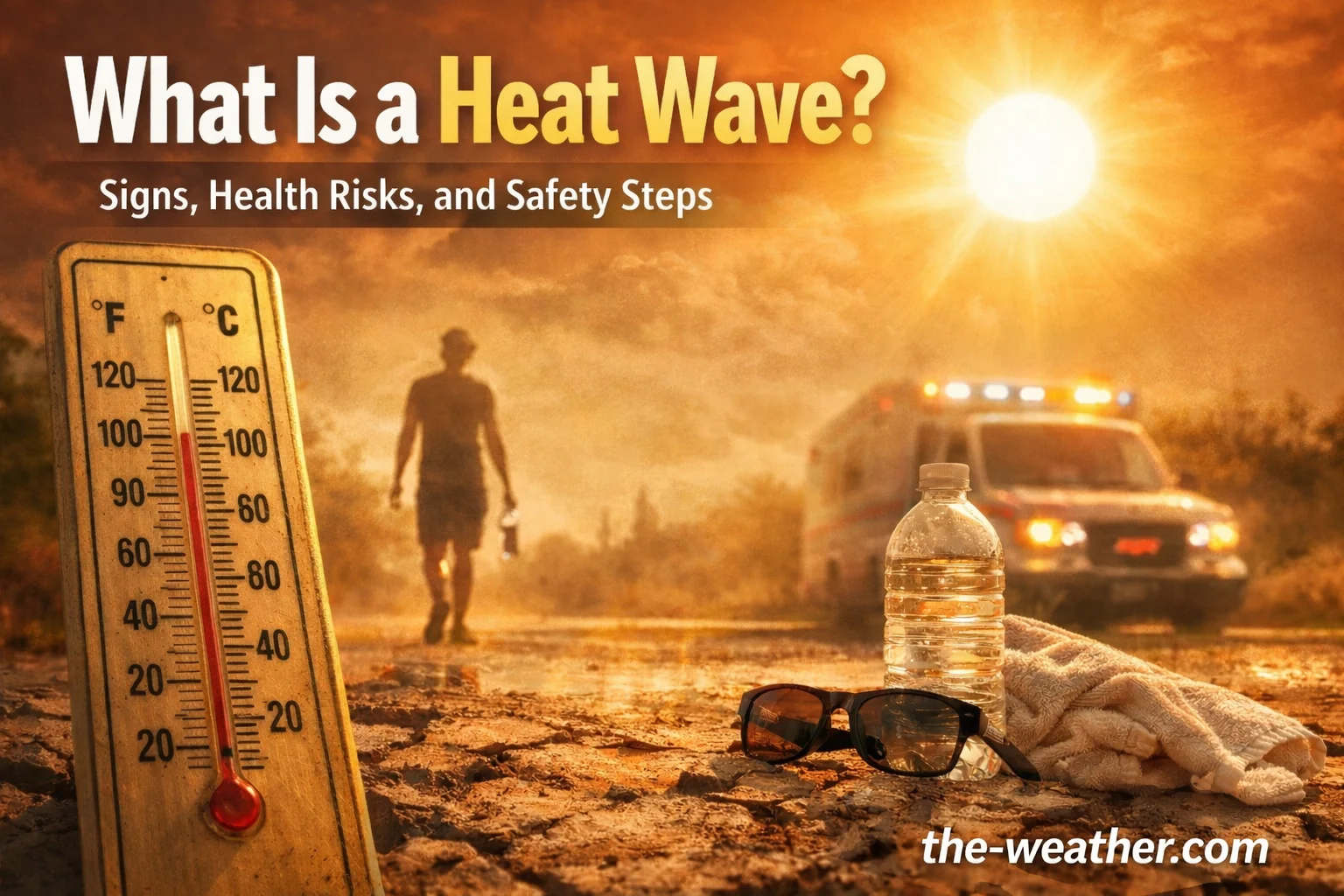
The Definition: A heat wave is a prolonged period of excessively hot weather, which may be accompanied by high humidity, typically lasting two or more days. It is often caused by a "heat dome," a high-pressure system that traps warm air underneath it like a lid on a pot. This can lead to dangerous conditions where the body struggles to cool itself down.
- 🌡️ Threshold: Usually temperatures above the historical average for two+ days.
- 💧 Humidity: High humidity can make lower temperatures feel deadly.
- 🌍 Occurrence: Can happen anywhere, but urban areas retain more heat.
- ❌ Main Risk: Heat exhaustion progressing to heat stroke.

Heat alert on your phone? What a Heat Advisory, an Extreme Heat Watch and an Extreme Heat Warning mean, and what to do: Heat Advisory vs Extreme Heat Warning. Keeping your home safe: track indoor temperature and humidity during a heat wave.
Defining the Heat Wave: More Than Just "Hot"
When we talk about dangerous weather, we often picture the swirling winds of a hurricane or the whiteout conditions of a blizzard. However, heat is the silent killer. It doesn't snap trees or tear off roofs, but it puts immense stress on the human body and our infrastructure.
A heat wave isn't just a sunny day; it is a period of abnormally uncomfortable and excessively hot weather. According to weather education resources, to be classified as a heat wave, the high temperatures must generally last for two or more days. The criteria can vary by region, what is considered a heat wave in Maine might be a normal summer day in Texas, but the danger remains the same.
The NOAA uses the Heat Index to measure this danger. This index tells us what the temperature feels like to the human body when relative humidity is combined with the air temperature. When the sweat on your skin cannot evaporate because the air is too wet, your body cannot cool down, and your internal temperature may rise to dangerous levels.
As a mom and a weather enthusiast, I always tell people: do not underestimate the sun. Just because the sky is clear doesn't mean it is safe.
🎨 The Science: The Heat Dome Effect
To understand why the heat lingers, we have to look at the atmosphere. Heat waves are often the result of trapped air. Imagine a lid placed over a boiling pot; the heat wants to escape, but it is held down.
The Mechanics of a Heat Dome:
A strong system of High Pressure forms in the upper atmosphere. This system acts like a cap. It pushes air toward the ground. As the air sinks, it compresses, and compressed air heats up.
During these events, winds can be calm, meaning there is no breeze to provide relief. This stagnation allows pollution and ozone to build up, which can make breathing difficult for anyone with asthma. It is similar to the stagnant air patterns we discuss when explaining what is an atmospheric river, but instead of moisture transport, we are dealing with a moisture and heat trap.
How a Heat Wave Develops (Timing & Duration)
Heat waves do not usually strike without warning. They build up over time, giving us a window to prepare. Tracking these changes on Weather Underground or your local forecast is vital.
High pressure builds. You may notice the sky is exceptionally blue and clear. The wind dies down. Temperatures begin to climb a few degrees above normal each day.
The heat dome is locked in place. Overnight temperatures do not drop enough to let buildings or bodies cool down. This "cumulative heat stress" is where the health risks skyrocket.
Eventually, the high-pressure system weakens or is pushed aside by a cold front or a storm system. This transition can sometimes bring severe thunderstorms as the pent-up energy releases.
Read your own station
What Your Heat Index Reading Means, and What It Misses
Most home weather stations calculate the heat index from your own temperature and humidity. The National Weather Service links each range to a level of risk:
| Heat index | NWS category | Risk with long exposure or activity |
|---|---|---|
| 80 to 90 °F | Caution | Fatigue possible |
| 90 to 103 °F | Extreme caution | Heat cramps, heat exhaustion or heat stroke possible |
| 103 to 124 °F | Danger | Heat cramps or heat exhaustion likely, heat stroke possible |
| 125 °F or higher | Extreme danger | Heat stroke highly likely |
Three things the number does not tell you
- Sun: the heat index is designed for shade and light wind. In full sunshine it can feel up to 15 °F hotter, so a reading of 95 °F in the shade can mean "Danger" for someone working in the sun.
- Nights: the danger of a heat wave builds when nights stay warm and the body cannot recover. That is why the NWS also publishes HeatRisk, a 0 to 4 color scale (green to magenta) that weighs how unusual the heat is for your area and whether there is overnight relief.
- Indoors: homes without air conditioning can stay hotter than outside at night. An indoor sensor shows whether a bedroom cools down at all; check rooms of older or vulnerable family members.
Sources: NWS: heat index (shade vs full sun) · NWS Amarillo: heat index categories · NWS HeatRisk
The "Body Warning": Exhaustion vs. Stroke
In the quiet of a heat wave, your body is shouting at you. It is critical to listen. We often talk about winter storm safety and layering up, but in summer, the strategy is about hydration and cooling.
There are two main stages of heat illness you must recognize. Understanding the difference can save a life.
🚑 Heat Exhaustion (Act Now)
This is your body warning you that it is overheating. Symptoms include heavy sweating, cold or clammy skin, nausea, muscle cramps, and dizziness.
Action: Move to a cooler place, sip water, and put cool wet cloths on your body.
🚑 Heat Stroke (Emergency)
This is a medical emergency. The body's temperature control system fails. Symptoms include a high body temperature (103°F+), hot and dry skin (no sweating), confusion, and unconsciousness.
Action: Call 911 immediately. Do not give fluids. Cool the person down instantly.
Information from the CDC highlights that heat stroke can permanently damage the brain and other vital organs if not treated quickly.
🌍 Who Is At Risk? (The Exceptions)
Heat does not treat everyone equally. Some bodies cannot regulate temperature as efficiently as others. If you have a Zivron WiFi weather station, use it to monitor indoor humidity and temperature levels in the rooms of vulnerable family members.
| Group | Why they are at risk? | Action Needed |
|---|---|---|
| The Elderly | Body regulation weakens with age. | Check on them twice a day. |
| Infants/Children | Bodies heat up 3-5x faster than adults. | Never leave in a parked car. |
| Outdoor Workers | Direct exposure and physical exertion. | Frequent shade breaks. |
| Pets | They cool mainly by panting and sweat only through their paws. | Walk early morning only. |
Just as you would prepare for extreme cold by reading about what is a snowstorm and gathering supplies, you must have a plan for heat. Check your neighbors and ensure your pets have cool water.
📚 Heat Safety Gear & Essentials
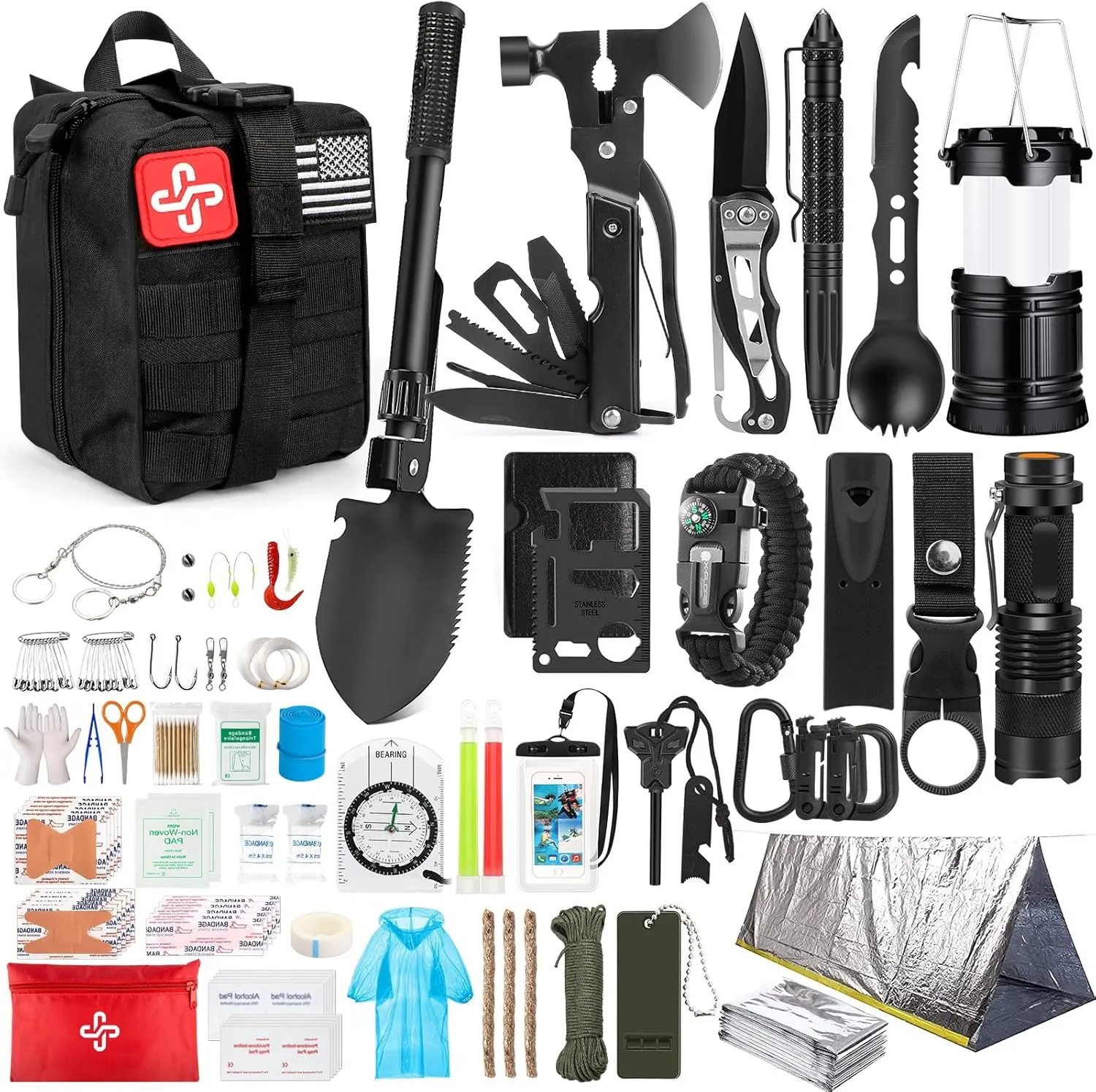
Surviving the heat is easier with the right tools. From monitoring the environment to keeping your body temperature low, here are my top picks for 2025.


Video Explanation
For a deeper look at how heat waves form and how they affect the human body, watch this helpful guide.
Frequently Asked Questions
How hot does it have to be for a heat wave?
It depends on location. There is no single universal temperature. In cooler climates, 90°F (32°C) might trigger a heat wave warning, while in desert regions, the threshold might be over 100°F (38°C). The Red Cross emphasizes that the duration is just as important as the peak temperature.
Can fans prevent heat stroke?
Not always. If the air temperature is above 95°F (35°C), a fan may just blow hot air at you, like a convection oven, which can actually increase dehydration. In extreme heat, you need air conditioning, cool showers, or ice packs.
Why are cities hotter than rural areas?
This is called the Urban Heat Island effect. According to the EPA, asphalt, concrete, and buildings absorb and retain heat during the day and release it slowly at night, keeping cities much warmer than the surrounding countryside.
📝 The Heat Safety Cheat Sheet
Memorize this for the next scorching summer day:
- ✅ Drink Water: Even if you are not thirsty. Avoid alcohol and caffeine.
- ✅ Dress Light: Wear loose, light-colored clothing to reflect sunlight.
- ✅ Check the Car: Look before you lock. Temperatures inside cars can kill in minutes.
- ✅ Time it Right: Avoid strenuous outdoor activities between 10 AM and 4 PM.
Last Updated: